7 Items You Should Never Buy at the Grocery Store

Image Credit: liudmilachernetska/123RF
Grocery shopping is a routine task that many of us take for granted. We pick up the items we need without much thought, often ignoring the hidden costs behind the convenience of well-stocked shelves. However, there are several grocery store items that carry high price tags—items that you can easily avoid or find cheaper alternatives for.
By making a few mindful changes, you can save a significant amount on your regular grocery trips. Let’s dive into the top seven things you should never buy at the grocery store, and how you can stretch your budget while still getting what you need.
Name-Brand Cereal

Cereal is one of the most popular breakfast staples in the world, but did you know that the brand you buy could cost you an arm and a leg? The price of cereal has been steadily rising over the years, and when you opt for name-brand options, you’re paying more for the marketing and advertising than for the actual product inside. If you take a close look at the ingredients list on both generic and name-brand cereals, you’ll often find the same ingredients in the same order.
The difference? The premium you pay for the brand name. The markup on name-brand cereal can be quite significant, with generic brands often offering the same flavor and texture for half the price. If you make the switch to a store’s own brand, you could save up to 50 percent or more. Furthermore, many stores offer money-back guarantees on their own-brand products.
So, if you’re skeptical about the taste, you can always get a refund if you’re not satisfied. Why continue to throw money away when you can enjoy the same product at a much lower cost? When you’re shopping for cereal, always compare the ingredient list and look for deals on store-brand alternatives.
Spices
When was the last time you took a good look at the price of spices at the grocery store? The markup on spices is astonishing, often reaching nearly 100 percent. While you might assume that the high price is due to the quality of the spice, it’s actually more about the packaging and the shelf space in the store. Instead of purchasing spices at the grocery store, consider heading to a natural foods store or a drugstore, where you can find the same spices at a fraction of the price.
Bay leaves, for example, can cost you over $3 for a small jar at the grocery store, but you can find the same quantity in a bulk bin for less than 50 cents at a natural foods store. And the best part? You can refill your own containers, saving both money and packaging waste.
Don’t let the convenience of grocery-store spices fool you into paying inflated prices. Visit stores with bulk spice sections, or look online for bulk options to save even more money.
Prepackaged Produce
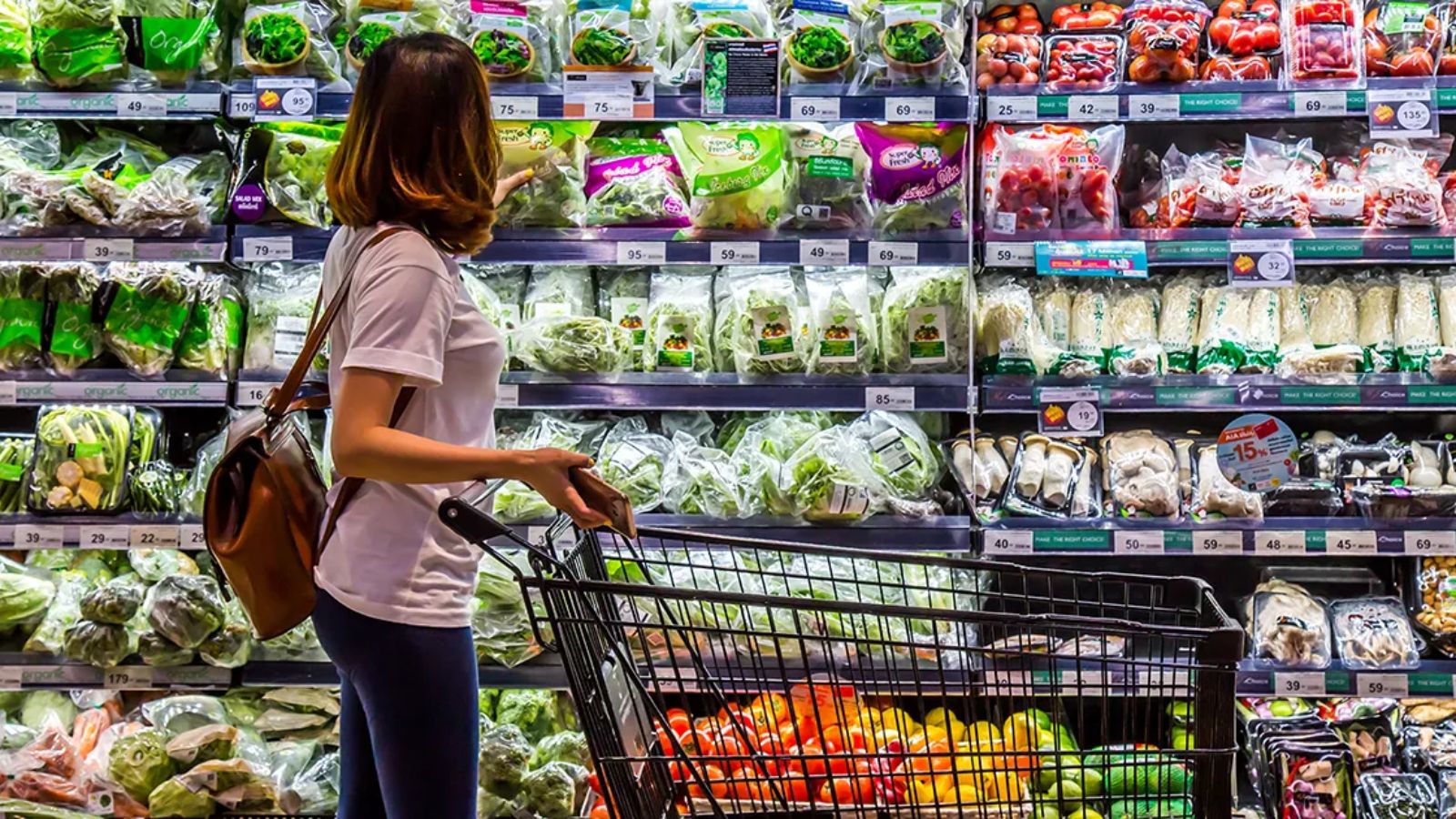
Prepackaged produce has become a popular choice for busy shoppers who don’t have the time or inclination to chop vegetables or slice fruit. While it’s undeniably convenient, the price markup on prepackaged produce is enough to make your wallet cry. Typically, you’ll pay 40 percent or more for the same produce that you’d buy in its whole form. If you’re willing to do a little work in the kitchen, you can save a substantial amount by purchasing whole fruits and vegetables and prepping them yourself.
For example, buying a whole watermelon and slicing it at home is not only cheaper, but it’s also far fresher than the pre-cut pieces you find in the store. While it might take a few minutes of your time, the savings are well worth the effort. Consider investing in a good set of knives and storage containers. You’ll be able to prep your produce at home in no time, and the cost savings will add up quickly.
Prepped Meats
Much like prepackaged produce, prepped meats come with a hefty price tag. Pre-formed hamburger patties, pre-marinated chicken, or ready-to-cook kebabs may seem convenient, but they can cost you anywhere from 60 to 300 percent more than buying the meat in its whole form. If you don’t want to deal with the hassle of chopping and marinating your own meat, ask your butcher to prepare it for you.
Most butchers are more than happy to grind or cube cuts of meat for you at no extra charge. This way, you still get the convenience of prepped meats without the sky-high prices. When possible, buy larger cuts of meat and freeze portions for later use. This allows you to buy in bulk and save money over time.
Batteries

Batteries are a classic impulse buy that often appears near the checkout lanes at grocery stores. While they may seem like a quick and easy solution for your power needs, you’re likely paying a premium for the convenience of picking them up on the spot.
Instead of buying batteries at the grocery store, head to big-box retailers like Target or Walmart, or bulk-buy at warehouse stores such as Costco.
You can save up to 50 percent or more by purchasing batteries in bulk, and the best part is that batteries don’t have an expiration date, so you can stock up without worrying about them going bad. Consider purchasing rechargeable batteries for even greater savings and less waste.
Small Snacks
Single-serve bags of chips, pretzels, and other snacks are incredibly convenient for on-the-go eating, but they come at a steep price. Typically, single-serving bags run about 30 percent more per ounce than buying the larger bag and portioning it yourself. Instead of reaching for the small bags, buy the larger ones and divide them into individual servings once you get home.
Use reusable containers or snack-sized bags to create your own convenient snack portions. This simple change can save you a significant amount of money in the long run. Invest in snack bags or containers that are eco-friendly and reusable to reduce waste and save money over time.
Conclusion
Next time you’re at the grocery store, remember that not everything is priced equally. By making a few smart choices and avoiding the items listed above, you can save a significant amount of money without sacrificing quality. Whether you’re buying cereal, spices, or personal care products, taking a moment to compare prices and shop around for better deals will add up over time.
It’s all about being a mindful shopper and making your hard-earned dollars go further. Remember: the savings you accumulate from making smarter choices at the grocery store can be used to fund other essentials or even splurge on something you’ve been eyeing for a while. Your wallet (and your family) will thank you.