How Social Media Is Damaging Society
Image Credit: photonphoto via 123RF Photo
Social media promised connection, creativity, and a global community. Instead, it’s quietly reshaping the way we think, communicate, and understand the world—often for the worse. What began as a tool for sharing moments with friends has evolved into a machine that fuels comparison, outrage, misinformation, and dependence. As algorithms chase our attention, they influence everything from our moods to our beliefs, all while blurring the boundaries between reality and digital performance.
The result? A society increasingly distracted, divided, and disconnected—ironically in the era of constant “connection.” Here are ways social media is damaging society, often in overlooked yet deeply ingrained ways.
Social Media Addiction
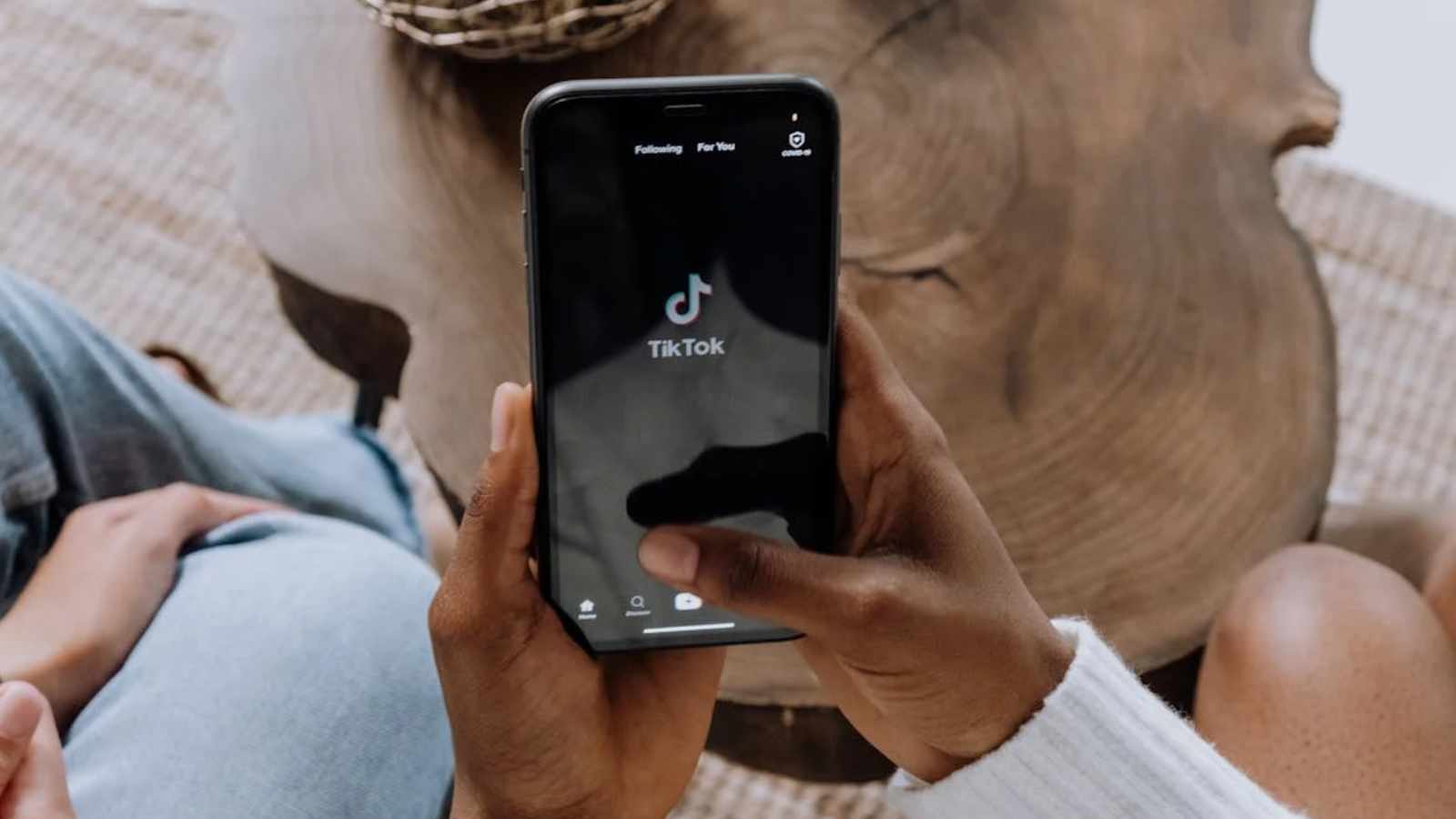
As we navigate through the digital world, many individuals unknowingly fall prey to social media addiction. The dopamine-driven reward system built into social platforms fuels a cycle of compulsive checking, where users continually return for validation through likes, comments, and shares. This cycle is driven by the psychological need to belong and to receive acknowledgment from peers, creating a digital environment where addiction thrives.
Statistics show that Americans check their phones 205 times per day, with a significant portion of that time spent on social media. The addiction goes beyond simple time consumption. It affects the way we feel about ourselves. With constant exposure to curated content that portrays idealized lifestyles, social media fosters the “fear of missing out” (FOMO), leaving users feeling inadequate or lonely. Ironically, the more time people spend online seeking connection, the more disconnected they feel in real life.
Disconnect in a Connected World
Ironically, while social media promises to connect us, it often drives us further apart. The constant engagement with digital platforms can lead to a disconnection from the real world, with people spending more time online than engaging in face-to-face interactions. Relationships suffer when one or both parties become more invested in their online personas than in the people physically present with them.
Moreover, social media’s role in fostering unrealistic standards of beauty, success, and happiness can place unnecessary pressure on relationships. Couples may feel the need to portray a perfect image online, leading to dissatisfaction when their real-life experiences fall short of the glossy portrayals they see in their feeds.
The Quest for Social Validation
One of the most insidious impacts of social media is its ability to shape our behavior toward seeking external validation. The platforms are designed to feed into the human desire for approval, encouraging users to post content that will garner likes and comments. This cycle of seeking affirmation has transformed social media into a game of likes and shares, where success is measured by digital approval rather than genuine personal fulfillment.
This need for validation has consequences. It leads to a reduction in authenticity as users become increasingly aware of which posts will garner attention and approval. As a result, we see a rise in superficial content—posts that conform to popular trends and ideals rather than expressing true individuality. The constant comparison to others’ highlight reels can exacerbate feelings of self-doubt and lower self-esteem, as users begin to measure their lives against the often unrealistic standards set by others.
The Rise of “Cancel Culture” and Its Consequences
Social media has given rise to “cancel culture,” a digital phenomenon in which individuals or organizations are ostracized for perceived wrongdoing, often without the opportunity for redemption. While some argue that cancel culture serves as a form of social accountability, it can also be highly destructive.
The speed with which people are judged on social platforms, without the opportunity to explain themselves or learn from their mistakes, creates a culture of fear. This fear stifles open dialogue and promotes a sense of constant vigilance, leading individuals to be hesitant to express their opinions for fear of backlash. In an environment where nuance and context are often lost, cancel culture results in polarized discourse, leaving little room for constructive debate or growth.
The Deterioration of Attention Spans
The fast-paced nature of social media platforms such as Twitter, Instagram, and TikTok is profoundly affecting our ability to concentrate. Studies have shown a significant reduction in attention spans, with research revealing that the average attention span has dropped to a mere eight seconds, a full second shorter than that of a goldfish. This digital distraction stems from the overwhelming influx of short, bite-sized content that demands our immediate attention but often offers little long-term value.
The fragmentation of our focus is not only evident when scrolling through feeds but also in multitasking. Engaging with social media while performing other tasks, such as driving, working, or even interacting with loved ones, compromises our cognitive abilities and reduces productivity. Over time, this constant shifting between tasks can impair our ability to retain information, making it harder to concentrate on more meaningful, longer-form media.
The Psychological Toll (Anxiety, Depression, and Loneliness)

Research has consistently shown that heavy social media use is linked to increased rates of anxiety, depression, and loneliness. Constant exposure to others’ seemingly perfect lives can foster unrealistic expectations and a distorted sense of reality. The comparison between one’s own life and the curated lives of others leads to feelings of inadequacy, fostering a toxic cycle of self-doubt and depression.
The anonymity provided by social media platforms enables toxic behaviors, such as cyberbullying and trolling, which can have devastating effects on mental health. The virtual space provides a shield for individuals to say things they would never say face-to-face, contributing to a hostile online environment. For many, the constant barrage of negativity and judgment can lead to a decline in self-esteem and increased feelings of isolation.
The Spread of Misinformation
Social media has become a powerful tool for spreading information, both true and false. Misinformation can spread like wildfire across platforms, sometimes with catastrophic consequences. The speed at which false narratives can gain traction is alarming, and the consequences of misinformation
can be far-reaching.
Platforms like Facebook and Twitter have taken steps to address the spread of fake news, but the sheer volume of content and the ease with which misinformation can be shared make it a persistent problem. As users, we must cultivate critical thinking and skepticism, rather than blindly trusting everything we see online.
It is important to recognize these issues and take proactive steps to mitigate their effects, fostering a healthier and more balanced relationship with social media.