


Square

To call someone a “square” in the 1950s and 1960s was to label them as conventional, boring, and out of touch with the fun, rebellious vibe of the time. This term, rooted in beatnik culture, served as an insult for anyone who adhered too strictly to societal norms. For Gen Z, terms like “basic,” “lame,” or even “NPC” have replaced “square,” but the sentiment remains the same.
Groovy

Once synonymous with anything stylish or cool, the term “groovy” dominated the pop culture of the 1960s and 1970s. It encapsulated the era’s laid-back vibe and was frequently used to describe anything that was considered “excellent” or “vibey.” In the jazz scene, being “in the groove” meant you were in sync with the music, and the word quickly transcended its musical roots, becoming a mainstream expression. Today, however, “groovy” is often seen as a retro joke or used ironically, with Gen Z opting for terms like “fire” or “slay” instead.
Boob Tube
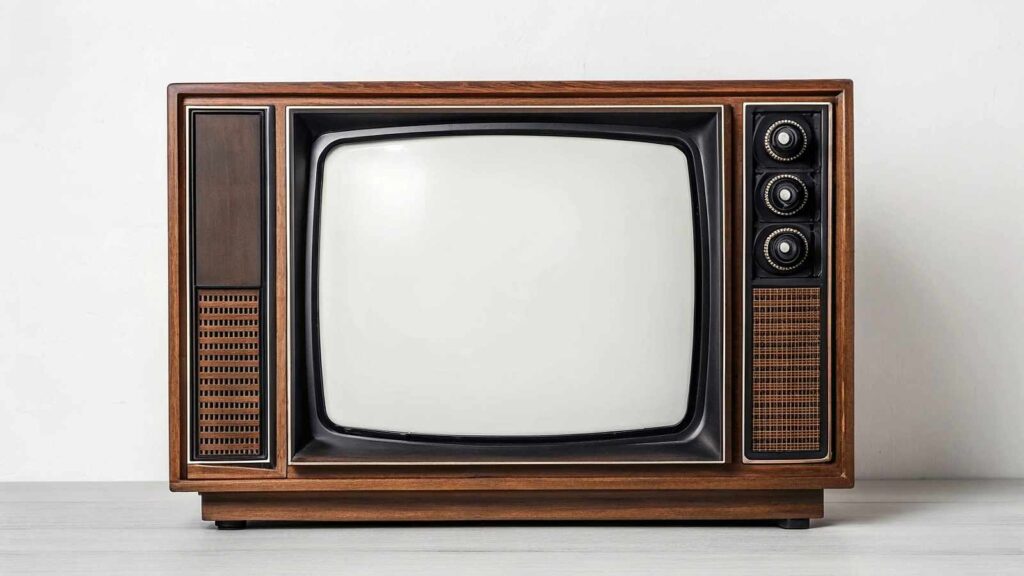
Before streaming services and smart TVs took over the entertainment world, the television was often referred to as the “boob tube.” This playful, slightly sardonic term was coined to describe the cathode-ray tube televisions of the past, and it often carried a negative connotation, suggesting that too much time in front of the screen could be mind-numbing. In today’s world of flat-screen TVs and on-demand streaming, the phrase has fallen out of common use.
Rat Fink
“Fink” was a popular slang term for someone who would betray or inform on others, essentially a “snitch” or “rat.” It was commonly used in the context of labor disputes and criminal slang but gained popularity in the boomer era as a term of disdain for those who couldn’t keep a secret. For Gen Z, “fink” has largely become a cartoonish term, with younger generations preferring words like “snitch” or “rat.”