Getting older does not mean giving up on fitness. For many adults, staying active later in life is less about chasing a younger version of themselves and more about maintaining independence and keeping movement part of everyday life.
Fitness after 50 can look different from fitness at a younger age. The focus can shift toward practical goals, such as moving comfortably, building consistent habits, and finding activities that fit into daily routines.
The Centers for Disease Control and Prevention highlights physical activity guidance for older adults, including activities that support movement, strength, balance, and flexibility.
Why staying active matters as we age.
Many people believe fitness has an age limit, but starting later is still possible. You don’t need to follow the same routine you had decades ago to make movement part of your lifestyle.
The goal does not have to be becoming a different person overnight. Instead, older adults can focus on realistic steps that encourage regular activity and support an independent lifestyle.
For some people, the biggest challenge is simply knowing where to begin. A gradual approach can make fitness feel more manageable and easier to maintain.
Before beginning a new fitness routine, some people may need medical clearance. A healthcare professional can help determine the appropriate level of activity.
Starting with the right plan can make the process feel safer and more comfortable, especially for those who have been inactive or are making major changes to their routine.
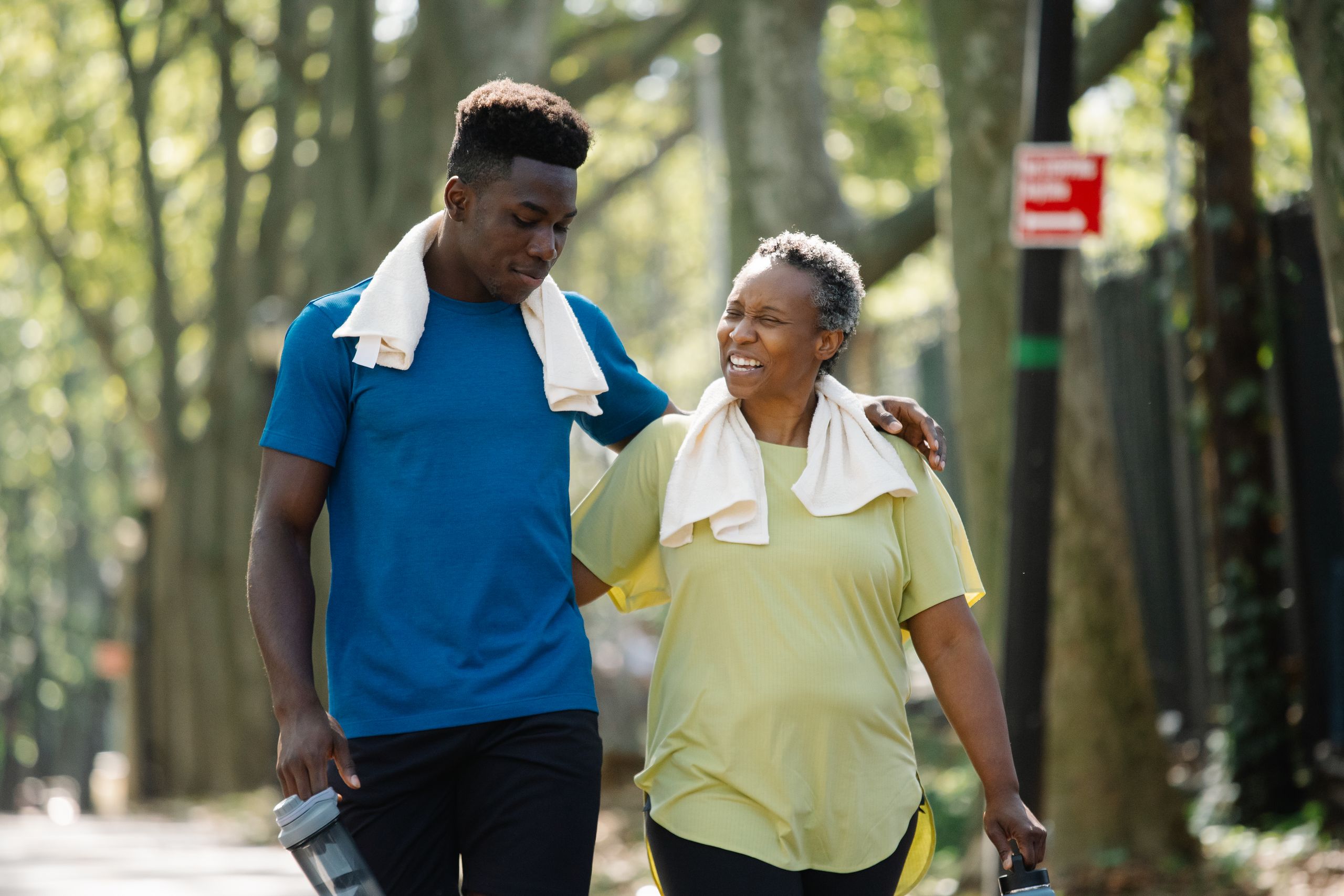
Start with walking
Image credit: by Liliana Drew/pexels
Walking is one of the simplest ways to add more movement to the day. It does not require complicated equipment and can be adjusted to match a person’s current ability.
For people new to exercise, walking can be a practical starting point. The key is creating a routine that feels realistic and sustainable.
Set a realistic weekly movement goal.
A common mistake is trying to do too much too quickly. Setting a realistic weekly movement goal helps people build consistency without feeling overwhelmed.
A manageable goal gives people something clear to work toward while building confidence over time.
Add strength training
Strength training can be an important part of an active lifestyle for older adults. It uses resistance to challenge muscles and can fit alongside other forms of movement.
The CDC’s physical activity guidance for older adults includes muscle strengthening activities as part of overall movement recommendations.
Strength exercises do not have to mean complicated workouts. You can adapt them to a person’s comfort level and experience.
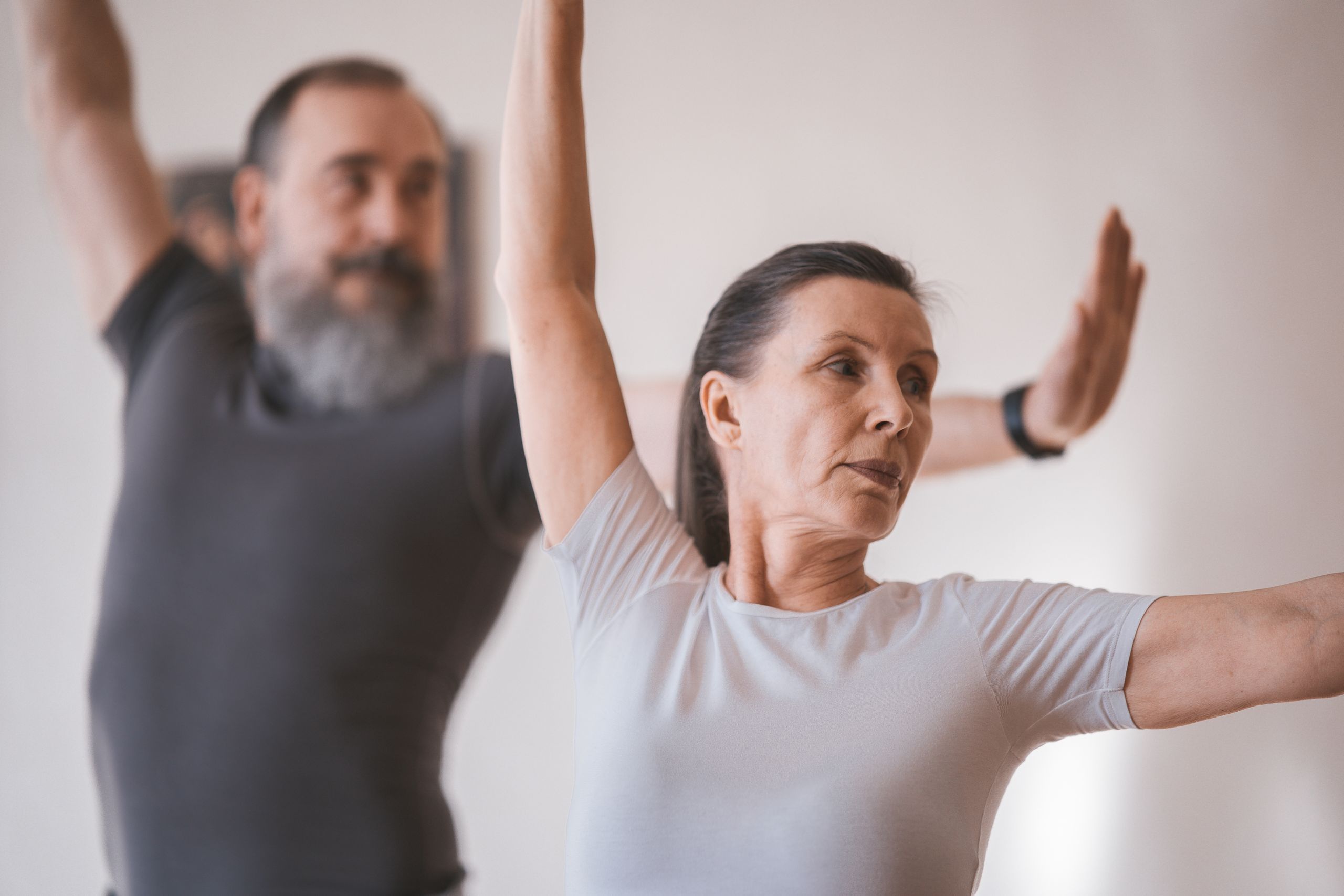
Practice balance exercises
Image credit:by Mikhail Nilov/pexels
Balance is another area you can include in a fitness routine. Balance exercises can help older adults move more freely in daily life.
Adding balance activities alongside walking, strength training, and flexibility work creates a broader approach to staying active.
Movement is not just about strength. Flexibility and mobility are also key to maintaining an active routine.
Stretching and mobility exercises can help people stay connected with how their bodies move and support a more balanced approach to fitness.
Choose low-impact activities if joints hurt.
Not every activity works for every person. Some adults may prefer lower-impact options, especially if certain movements cause discomfort.
Choosing activities that match personal needs can make it easier to stay consistent and enjoy the process.
Warm up and cool down.
Image credit:by Pavel Danilyuk/pexels
A fitness routine is not only about the main activity. Taking time to warm up before movement and cool down afterward can be part of a thoughtful approach to exercise.
These simple steps create a more complete routine and help people prepare their bodies for activity and recovery.
Use everyday movement
Fitness doesn’t happen only during scheduled workouts. Everyday activities can also provide opportunities to move more.
Walking during daily tasks, staying active around the home, and finding more chances to move throughout the day can help make physical activity part of normal life.
Increase gradually
Progress doesn’t have to happen all at once. Increasing activity gradually allows people to adjust and build a routine that fits their lifestyle.
The journey toward fitness after 50 is not about competing with the past. It is about creating habits that support movement, confidence, and independence today.
Age may change how people approach fitness, but it does not have to decide whether they participate. With realistic goals and consistent effort, adults can continue finding new ways to stay active at every stage of life.
Every afternoon, millions of people experience the same frustrating moment. The clock moves toward 3 PM, conversations become harder to follow, simple…