


This post 10 American Cities Where Buying a Home Feels Impossible in 2026 first appeared on Crafting Your Home.
For many Americans, owning a home remains a major life goal. But in some housing markets, the dream of buying a place to call home has become much harder to reach, even for people with stable jobs and high incomes.
The challenge is not just the sticker price. It is the monthly reality of mortgage payments, taxes, insurance, and the amount of income needed to keep up. The national median existing single-family home price reached $434,900 in the second quarter of 2026, while the typical monthly mortgage payment on an existing home with 20% down was $2,199.
These cities stand out because buying a typical home requires a level of income, savings, or financial support that many ordinary buyers may struggle to achieve.
Urban Honolulu, Hawaii
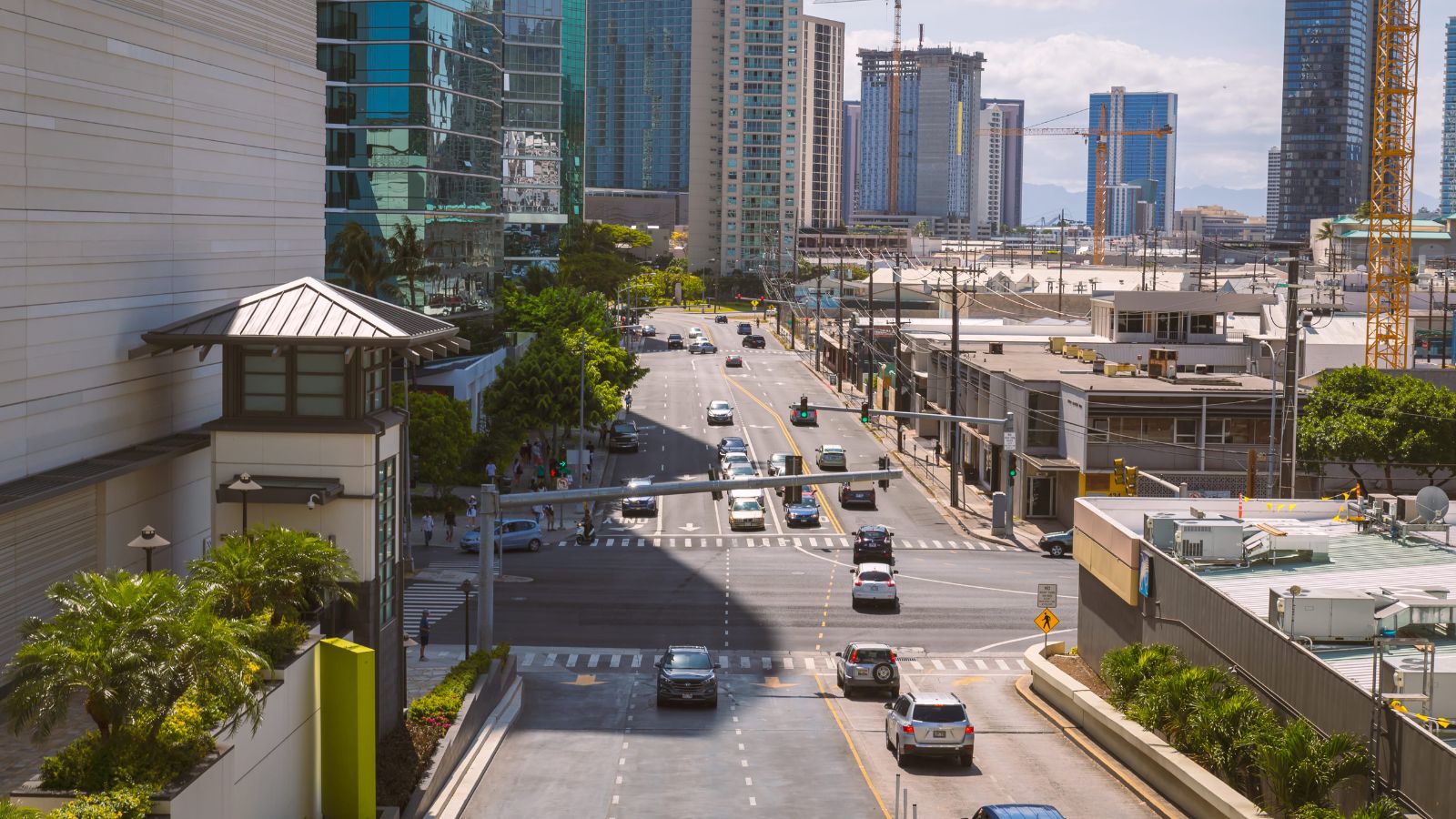
Honolulu combines high home prices with the unique challenges of an island housing market. Limited buildable land, construction costs, and shipping expenses add pressure to an already expensive market.
The median existing-home price reached $1.18 million, while typical-family mortgage costs represented about 70% of income. For many households, buying a home requires major financial sacrifices.
San Jose–Sunnyvale–Santa Clara, California
San Jose’s housing market has reached a level where homeownership feels out of reach for many typical buyers. The metro area recorded a median existing-home price of $2.05 million in the second quarter of 2026, making it the most expensive major market on the list.
The affordability challenge goes beyond the price tag. A typical family would need to spend about 82% of income on the mortgage for a typical existing home, far above the commonly used 30% affordability benchmark.
Anaheim–Santa Ana–Irvine, California
Orange County remains one of the most competitive housing markets in America. The median existing-home price reached $1.49 million, placing the area among the nation’s three most expensive metros.
For many buyers, the challenge is finding a home that matches their budget in a market where typical houses already approach seven figures.
San Diego–Carlsbad, California
San Diego remains one of the most desirable places to live, but popularity has come with a major affordability challenge. The metro recorded a median existing-home price of $1.08 million in Q2 2026.
For younger households, the gap between income and home prices is especially noticeable. The median home value was seven times the median income for households headed by someone under 40.
Related: 10 U.S. States Facing Major Tourism Challenges In 2026
Salinas, California
Salinas shows that extreme housing pressure is not limited to America’s biggest technology hubs. This agricultural-region market reached a median existing-home price of $982,600.
The challenge is the relationship between prices and local incomes. For households headed by adults under 40, the price-to-income ratio was 8.0, showing how difficult it can be for younger buyers to enter the market.
San Diego–Carlsbad, California
San Diego remains one of the most desirable places to live, but popularity has come with a major affordability challenge. The metro recorded a median existing-home price of $1.08 million in Q2 2026.
For younger households, the gap between income and home prices is especially noticeable. The median home value was seven times the median income for households headed by someone under 40.
Oxnard–Thousand Oaks–Ventura, California
This coastal Southern California market has faced affordability challenges linked to limited housing supply and demand from nearby Los Angeles.
The median existing-home price reached $961,800, while under-40 households faced a 7.1 price-to-income ratio. For many buyers, the cost of entry remains far above what typical earnings can comfortably support.
San Luis Obispo–Paso Robles, California
San Luis Obispo–Paso Robles is a smaller market that faces a problem often associated with much larger cities: housing costs rising far beyond what many residents can afford.
The median existing-home price reached $954,400. Among households headed by adults under 40, the area had a 9.2 price-to-income ratio, one of the highest levels among the metros examined.
Related: 10 American Cities Facing the Worst Homelessness Crisis
Los Angeles–Long Beach–Glendale, California
Los Angeles remains one of America’s most recognized cities, but buying a home there has become increasingly difficult for many working households.
The median existing-home price reached $879,900. For under-40 households, the median home value was 7.5 times median income, while only 39% of expected listings aligned with what buyers in the market could afford, according to Realtor.com research.
Bridgeport–Stamford–Norwalk, Connecticut
Housing affordability problems are not limited to California and Hawaii. This Connecticut metro area near New York shows how expensive housing can spread into commuter regions.
The median existing-home price reached $885,100 in Q2 2026, placing the area among the most difficult markets for buyers searching for a typical home.
Buying a home has always required planning, but in these markets, the challenge is becoming the distance between what homes cost and what ordinary incomes can support. For many buyers, the dream is still alive, but the timeline and sacrifices required look very different.
Conclusion
The dream of owning a home is still important to many Americans, but the path to getting there has changed dramatically. In these cities, the challenge is no longer just finding the right house. It is finding a price that matches reality.
For many buyers, high prices, large down payments, and monthly costs are forcing difficult decisions about where to live, how long to rent, and what sacrifices are necessary to become homeowners. The American housing dream has not disappeared, but in some markets, it has become a goal that requires more time, more resources, and more financial flexibility than ever before.
If you like what you just read, then subscribe to our newsletter and follow us on social media.