


This article was originally published on Crafting Your Home. A human contributor also wrote and edited the post.
The way we behave at a restaurant often communicates more than we realize. From how we order food to how we treat servers, small habits can reveal how comfortable we feel in different dining environments.
Dining out is about more than simply paying for a meal. Restaurants are social spaces where manners, confidence, and awareness shape the entire experience. While nobody should be judged by their income or background, certain behaviors can make someone seem unfamiliar with restaurant culture, especially in settings where expectations differ from casual dining.
The good news is that these habits are easy to recognize and improve. Understanding dining etiquette is not about pretending to be someone else. It is about feeling comfortable anywhere, whether we are grabbing lunch at a neighborhood café, attending a business dinner, or celebrating a special occasion at an upscale restaurant.
Here are restaurant habits that can unintentionally make someone appear inexperienced with dining culture, and how to replace them with more confident choices.
Focusing on prices before understanding the menu
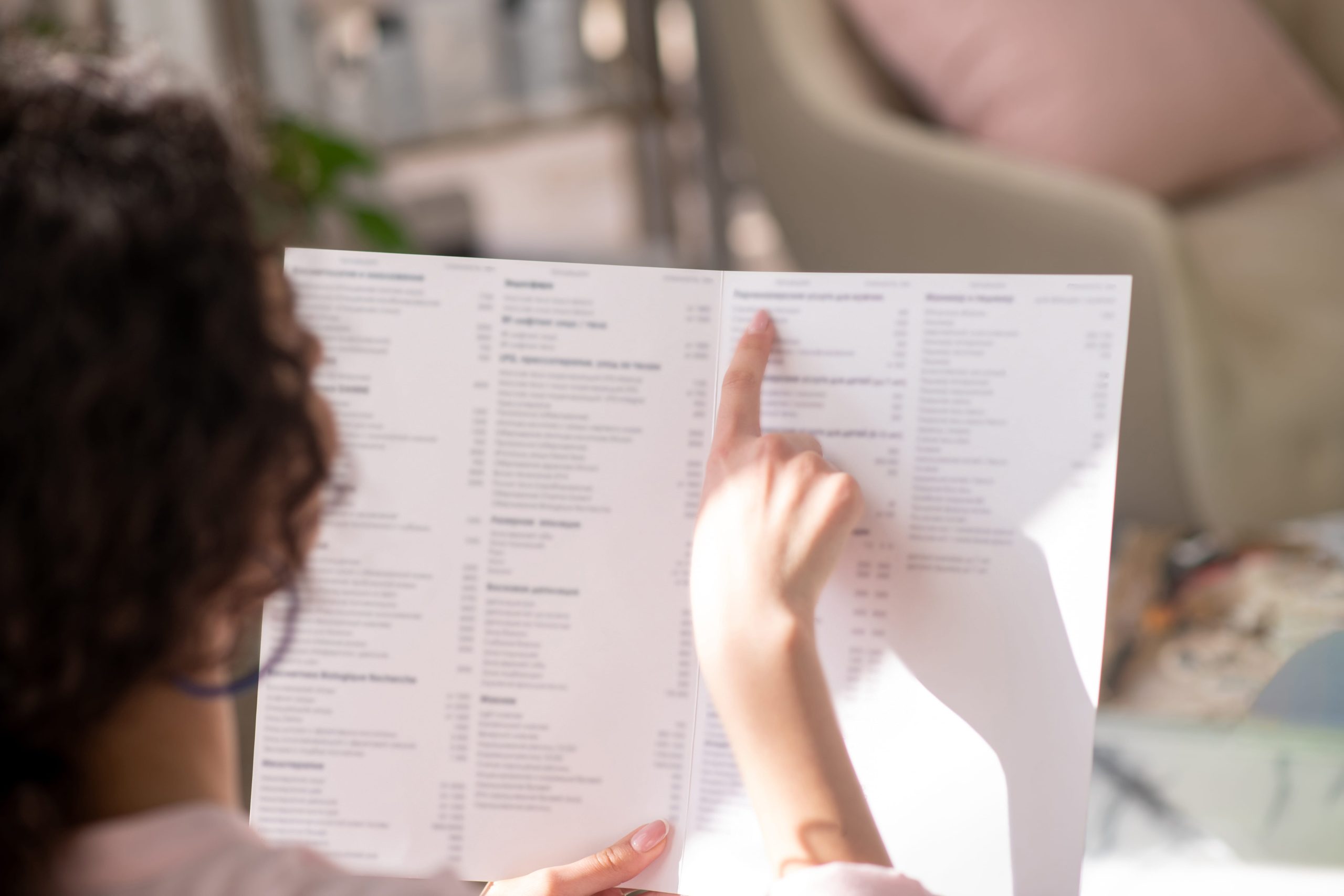
One of the first signs of discomfort in a restaurant setting is immediately treating the menu like a price list rather than a guide to the dining experience. Everyone has a budget, and being financially responsible is a positive habit. However, constantly pointing out prices, asking how to make every dish cheaper, or comparing every item to less expensive alternatives can shift attention away from enjoying the meal.
Experienced diners usually decide where they want to eat before arriving. They understand the restaurant’s general price range and choose something that fits their budget without making cost the center of the conversation.
There is nothing wrong with selecting an affordable dish or asking about portions. The difference comes from confidence. Instead of analyzing every dollar spent, comfortable diners focus on value, quality, and whether the meal matches what they want.
A simple approach works best: know your budget, choose wisely, and enjoy the experience.
Treating tipping like a mathematical challenge
Few restaurant habits reveal discomfort faster than turning the tip into a complicated calculation at the end of the meal. Carefully counting coins, leaving an outdated percentage, or trying to avoid adding a few extra dollars can create an awkward moment for everyone at the table. Tipping customs vary by country and region, but understanding local expectations helps you feel comfortable in restaurant settings.
Servers often rely heavily on gratuities, especially in places where wages are structured around customer tips. A thoughtful tip reflects appreciation for the service provided, from taking orders and answering questions to managing unexpected requests.