

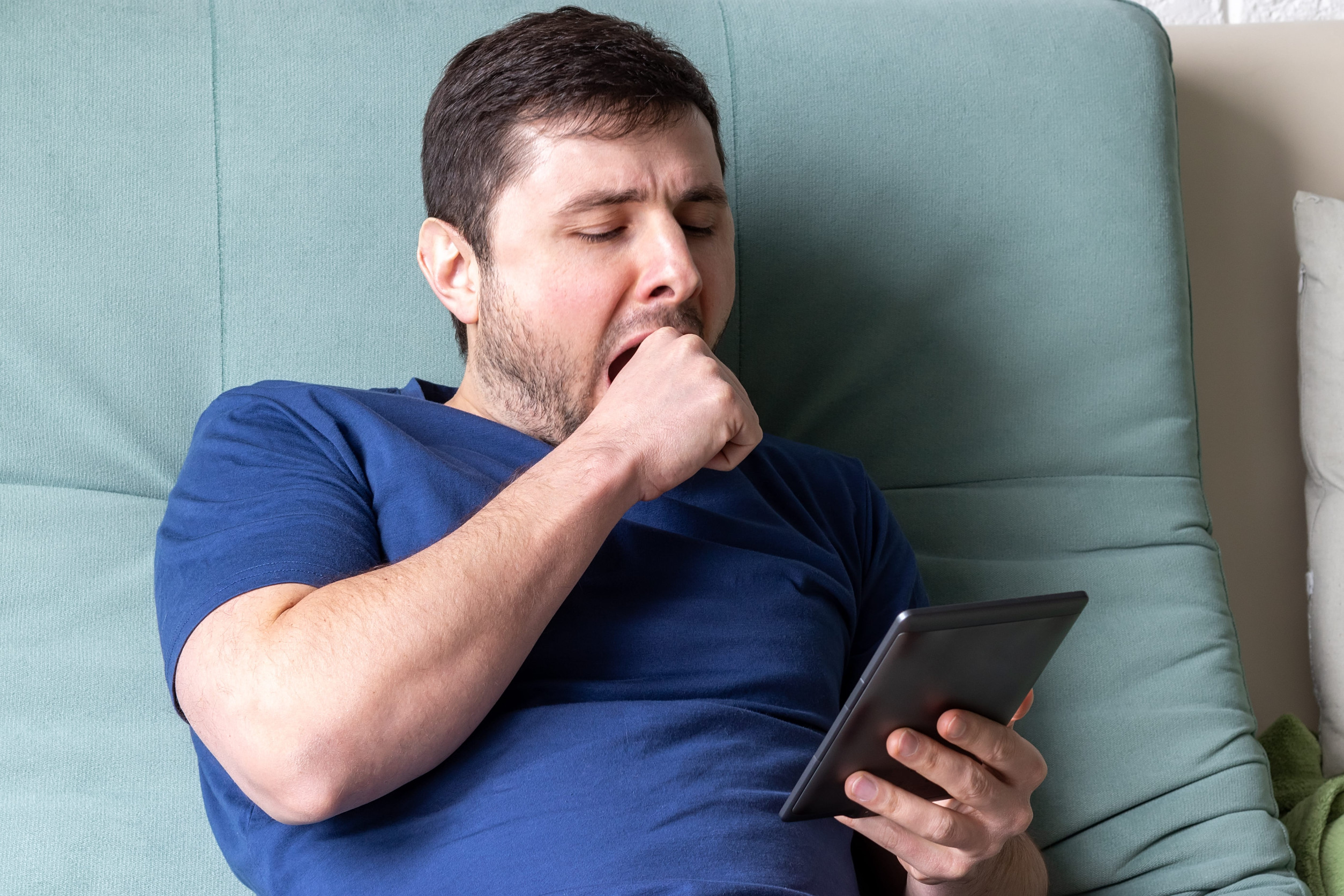
Have you ever found yourself struggling to catch your breath after spending hours staring at a screen? You may be unknowingly suffering from a condition called “screen apnea,” a phenomenon affecting many of us as we spend more time on digital devices. This hidden issue can lead to a host of physical and mental health problems, leaving you feeling drained and overwhelmed.
Understanding screen apnea is crucial, especially as our reliance on screens increases in work, entertainment, and communication. If you’ve ever felt stressed, exhausted, or noticed physical discomfort after prolonged screen time, these could be warning signs that you’re experiencing screen apnea.
Here are eight red flags that you should not ignore.
Frequent Headaches
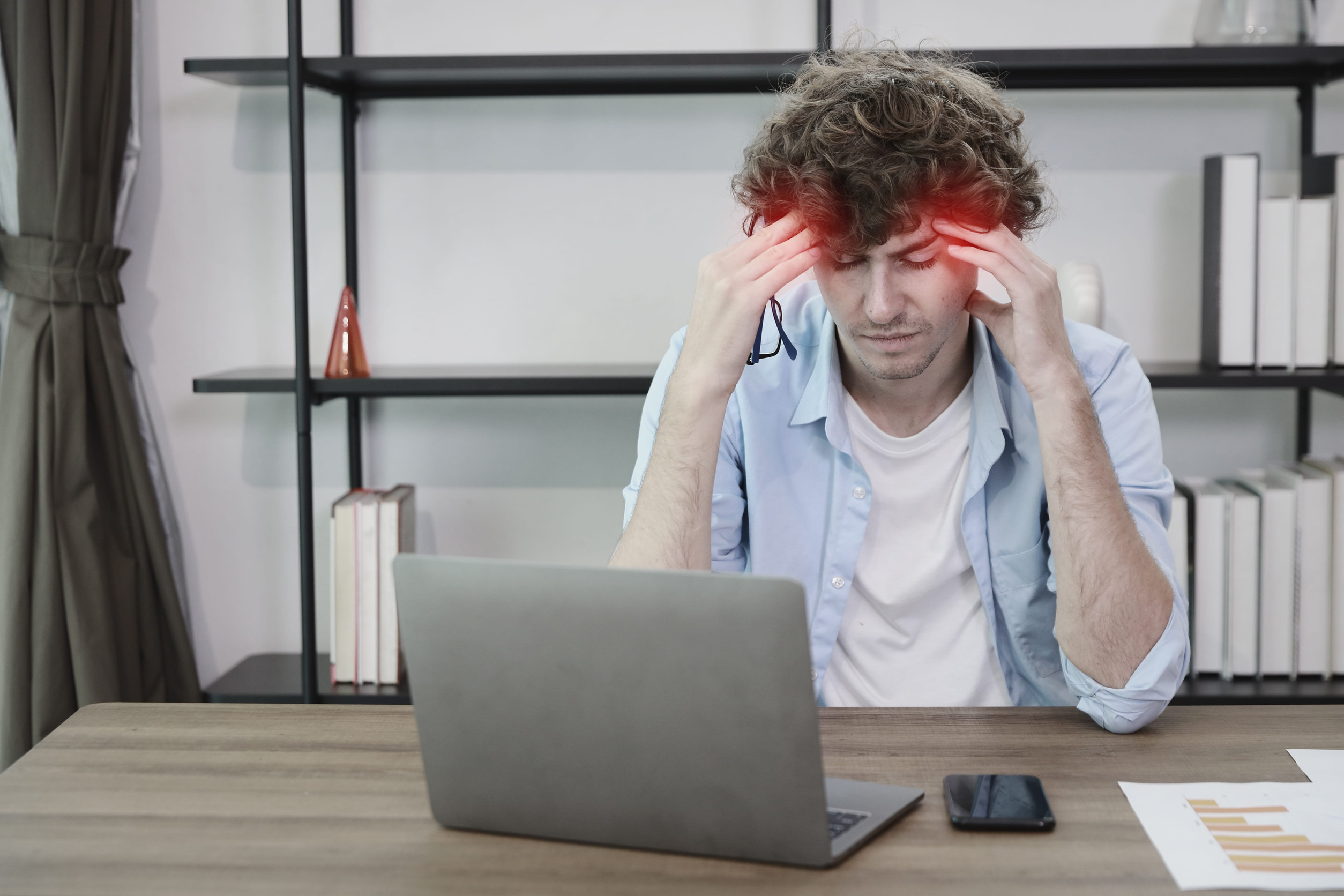
One of the first signs of screen apnea is frequent headaches, especially after prolonged screen time. These headaches can range from mild tension headaches to more severe migraines. The cause could be eye strain, poor posture, or improper breathing while focused on your device.
Dry Eyes or Eye Strain
Another common sign of screen apnea is dry eyes or the sensation of strain when looking at your device. Staring at a screen for extended periods can reduce your blinking frequency, which in turn can lead to dry, tired eyes. This eye strain is not only uncomfortable but can also contribute to feelings of fatigue and reduced focus.
Shallow Breathing

When you’re engrossed in a screen, your breathing often becomes shallow and rapid without you realizing it. This lack of deep breathing can lead to reduced oxygen intake and increased stress levels, making it harder to stay focused and calm. Shallow breathing has also been linked to heightened anxiety and mental fatigue.
Neck and Shoulder Tension
If you often feel tightness or soreness in your neck and shoulders after using a screen, you may be experiencing screen apnea. Poor posture, such as slouching or leaning forward while staring at your screen, can strain your upper body. Over time, this tension can contribute to long-term physical discomfort and even pain.
Mental Fatigue
Mental fatigue is another warning sign of screen apnea, as your brain struggles to stay engaged while constantly processing digital information. Prolonged screen use can leave you feeling mentally drained and unable to focus on tasks. The overstimulation from screens without adequate breaks can leave your brain feeling overwhelmed and exhausted.
Trouble Sleeping

Excessive screen time, especially before bed, can disrupt your sleep, making it harder to fall or stay asleep. The blue light emitted by screens suppresses melatonin production, the hormone that regulates sleep. This disruption in your sleep cycle can leave you feeling fatigued and irritable the next day.
Increased Stress and Anxiety
If you find yourself feeling more stressed or anxious after long screen sessions, it could be due to screen apnea. The constant influx of information from digital devices can create a sense of overwhelm, leading to heightened stress. Additionally, the lack of proper breathing and physical activity can exacerbate feelings of anxiety.
Decreased Focus and Productivity
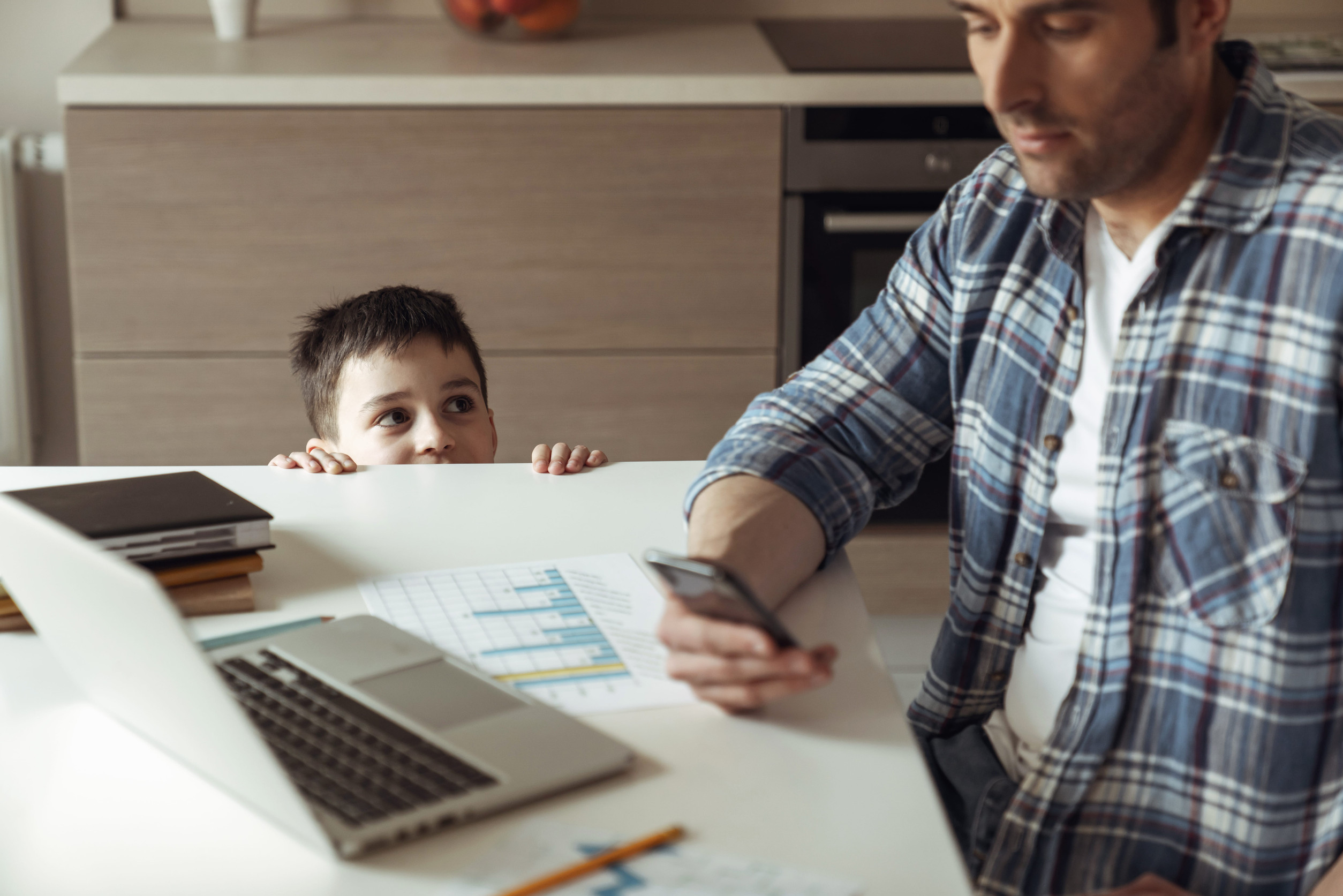
Struggling to concentrate or stay productive while using a screen can be another sign of screen apnea. When your breathing is shallow, your body is tense, and your mind is overwhelmed, staying focused on the task at hand becomes much more difficult. Over time, this can lead to decreased productivity and frustration.
Conclusion
Screen apnea is a growing issue in our digital world, and its effects on our physical and mental health cannot be ignored. From headaches and eye strain to mental fatigue and disrupted sleep, the signs of screen apnea are becoming more common in everyday life.
By recognizing the warning signs and making small adjustments to your routine, you can protect yourself from the negative effects of prolonged screen use. Taking regular breaks, improving your posture, and being mindful of your breathing will help you stay healthy and focused in an increasingly screen-heavy world.


