Common Homebuyer Regrets and How You Can Avoid Them

Image Credit: Drazen Zigic/freepik
Purchasing a home is one of the most significant financial and emotional decisions in life, and while it can be an exciting journey, it can also be filled with uncertainty.
Even the most prepared homebuyers can experience some regret. Yet a little foresight, knowledge, and professional guidance can make all the difference in ensuring your home purchase remains a fulfilling and positive experience.
In this article, we’ll dive into the most common buyer regrets and the smart strategies you can employ to avoid them.
Overpaying for Your Home
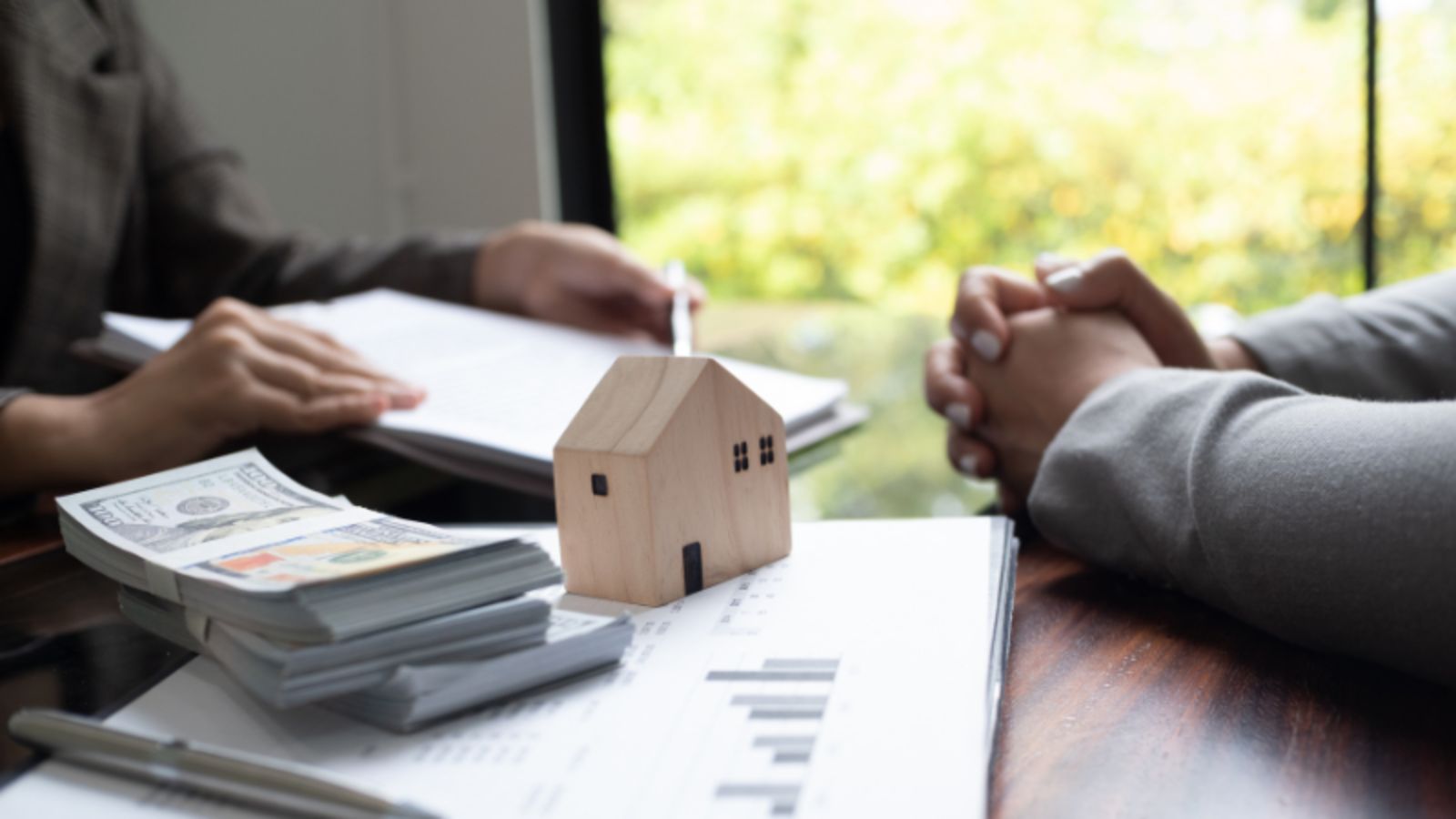
No one wants to feel they’ve paid too much for a home. The thought of having overpaid can cause anxiety, especially when you’re faced with increasing mortgage payments. But many buyers unknowingly fall into the trap of accepting the first mortgage offer they’re given or failing to do adequate market research.
The key to avoiding overspending is thorough research. Be sure to shop around for the best mortgage rates. A single point difference in interest rates can result in tens of thousands of dollars over the course of a loan. You should also work with a local agent who understands market trends and can help you identify homes priced fairly.
Furthermore, consider asking for a second opinion on your home’s valuation. Home inspections and appraisals are crucial; a home may appear perfect, but hidden structural problems could lead to costly repairs later.
With the right research, you can ensure you aren’t paying more than necessary.
Rushing the Home Buying Process
In today’s fast-paced housing market, it’s easy to get swept up in the rush to find the perfect home, especially when you feel pressure from competition.
Many buyers make the mistake of jumping into a home purchase without fully considering their needs or emotions. Give yourself ample time to evaluate potential properties. Make a list of must-haves and dealbreakers before you start viewing homes.
Focus on practical details like commute time, neighborhood amenities, and long-term investment potential, not just aesthetics. Trust your instincts and take your time—there’s always another property just around the corner.
Miscalculating the Costs of Homeownership

A home is more than just a mortgage payment. Many buyers make the mistake of forgetting about additional costs, such as property taxes, insurance, maintenance, utilities, and repairs.
The cost of homeownership can often be significantly higher than anticipated, especially with older homes or properties in need of repairs. Before committing, factor in all additional costs.
These might include annual maintenance fees, landscaping costs, HOA fees, and emergency repairs. Working with a real estate professional can help you anticipate these expenses based on the type of home you’re considering.
For example, older homes may require more immediate repairs, so be sure to set aside a contingency fund for unexpected expenses.
Overlooking the Time Required for Home Maintenance
Mikhail Nilov via pexels
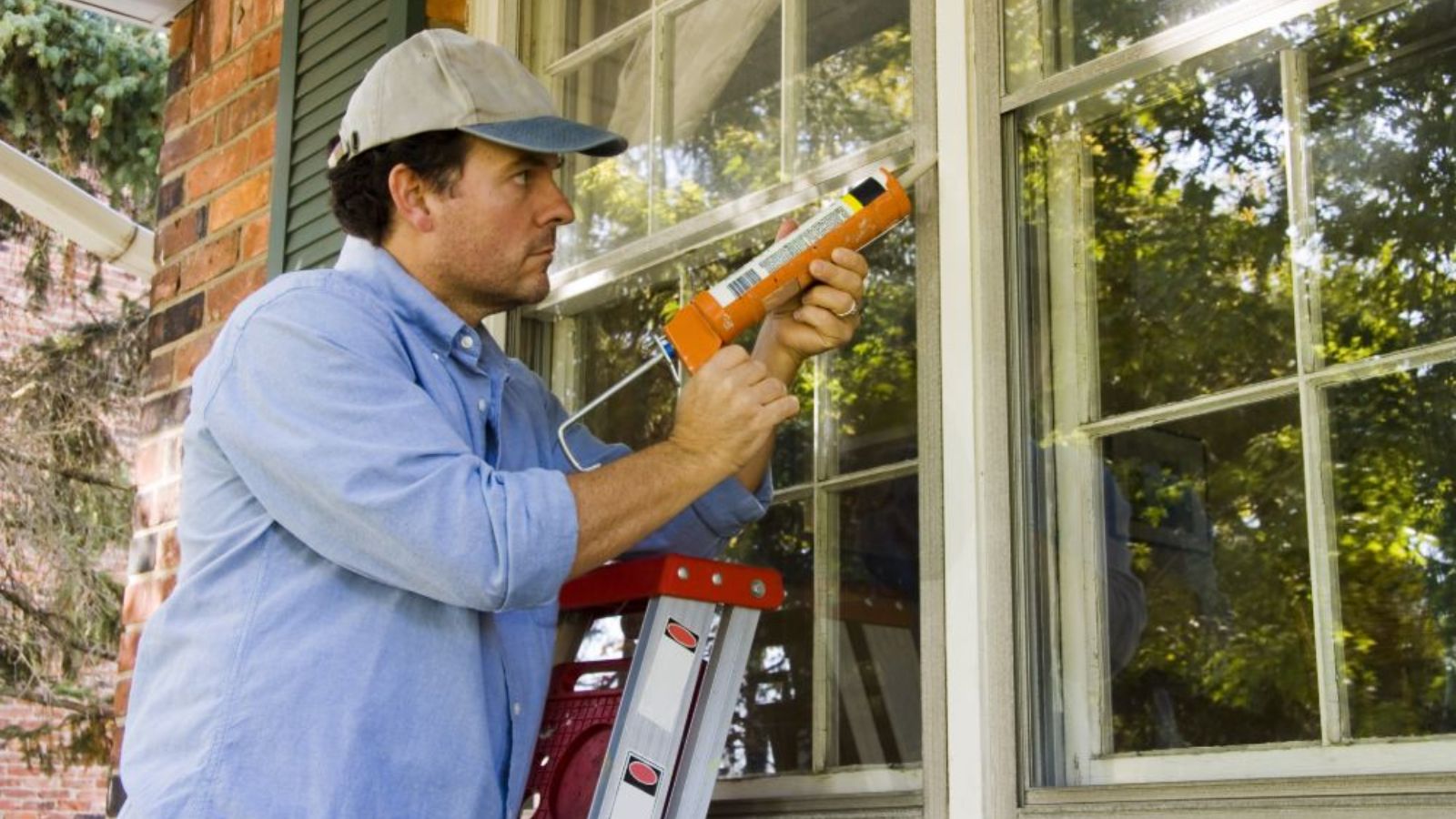
The allure of owning a beautiful home can sometimes blind buyers to the realities of upkeep. Large yards, pools, or old houses may seem attractive at first, but they often come with significant time and energy demands.
Be honest with yourself about how much time you can realistically dedicate to home maintenance. If you prefer low-maintenance living, a property with fewer landscaping demands or a smaller yard may be a better fit.
If you’ve bought a fixer-upper, make sure to calculate how much time you’re willing to spend on renovations, and avoid committing to something that will overwhelm you.
Not Fully Understanding the Disclosure Documents
Disclosure documents are an essential part of the home-buying process, offering critical insights into a home’s condition. However, many buyers skim over these documents or, worse, ignore them entirely.
This can lead to regretting the purchase when issues such as pest problems or foundation concerns become apparent. Always read the disclosure documents thoroughly. Don’t just focus on the seller’s statements; look for inspection reports and any records about past issues with the property.
If something seems off, ask questions. Consider bringing a professional, such as an inspector, to help you understand the significance of what’s disclosed.
Settling for a Home That Doesn’t Fit Your Needs
Many buyers, especially first-timers, try to stretch their budgets or adjust their expectations to find a home within a certain price range. They may end up compromising on key aspects, such as the number of bedrooms, the layout, or proximity to work or family.
Over time, these compromises can lead to dissatisfaction. Before you start searching, outline your must-haves and your “nice-to-haves.” Don’t settle for a home that won’t accommodate your long-term goals.
A great way to ensure you’re happy with your purchase is to think ahead—imagine how you’ll feel in the house five or ten years down the road. If the home won’t suit your needs long term, it’s worth looking for a better fit.
Key Takeaways
Homeownership can be a wonderful, rewarding experience, but it’s not without its challenges. By carefully considering your financial situation, doing your homework, and working with the right professionals, you can minimize the risk of buyer’s remorse and set yourself up for long-term success.
When purchasing a home, you’re making an investment not just in property but in your future. While it’s natural to have concerns along the way, taking a step back, being realistic, and leaning on experts will help you make the right choice.
Remember, the key to a successful home purchase isn’t about rushing to get the keys—it’s about finding the right fit for your lifestyle, goals, and budget.