6 Common Garden Design Fails, How To Fix Them
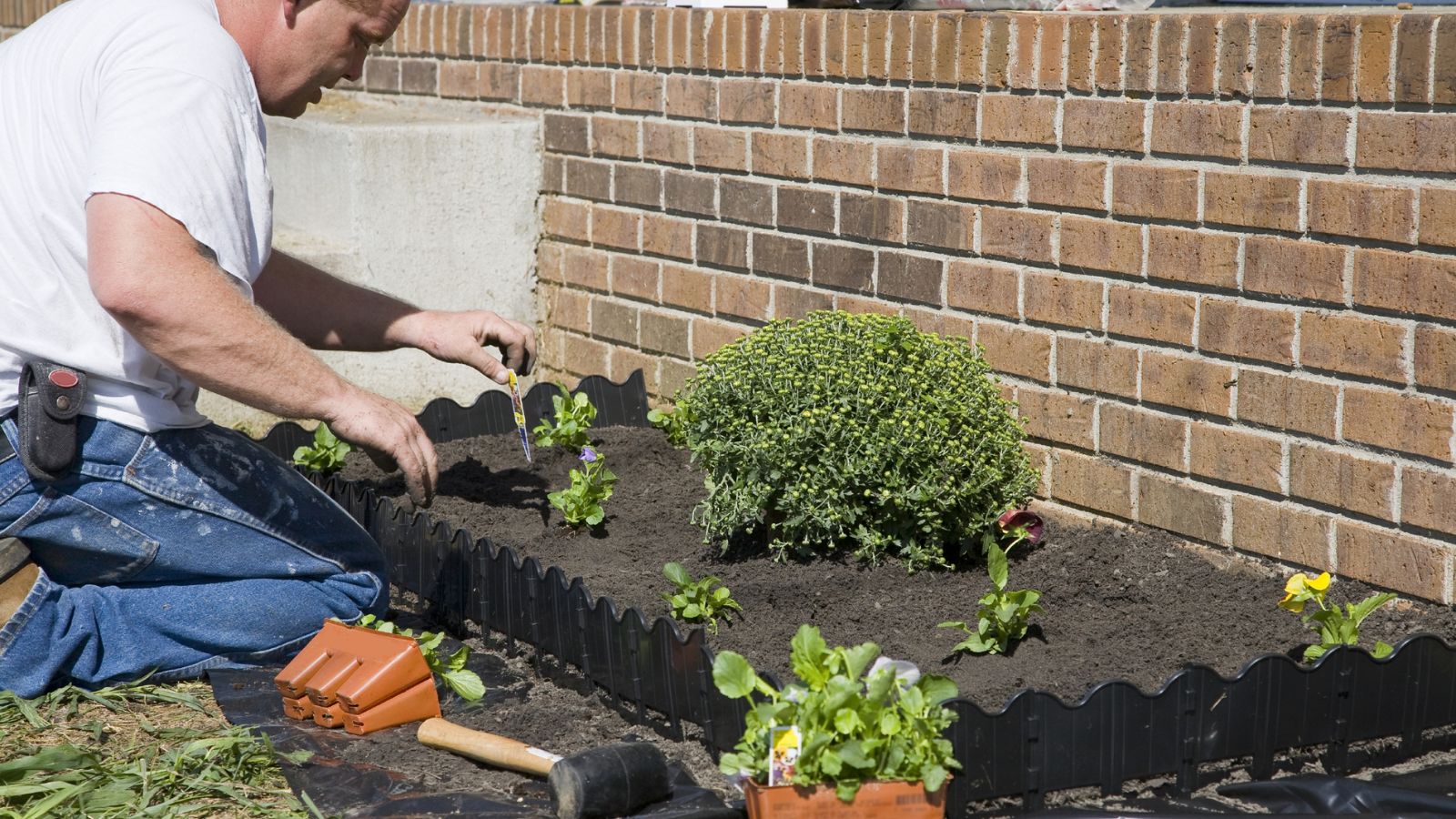
Creating a beautiful and functional garden is a rewarding endeavor, but it’s all too easy to make mistakes along the way. Whether you’re designing your first garden or revamping an existing space, certain missteps can derail your efforts and leave you frustrated.
From ignoring soil quality to overemphasizing lawn areas, these common garden design errors can harm plant health and the overall aesthetic of your outdoor space. The good news is that with some thoughtful planning and a little guidance, you can avoid these pitfalls and create a garden that thrives year-round.
Lets look at the most frequent garden design mistakes and provide practical solutions to help you build a garden that not only looks great but is sustainable, low-maintenance, and enjoyable for years to come.
Ignoring Soil Quality
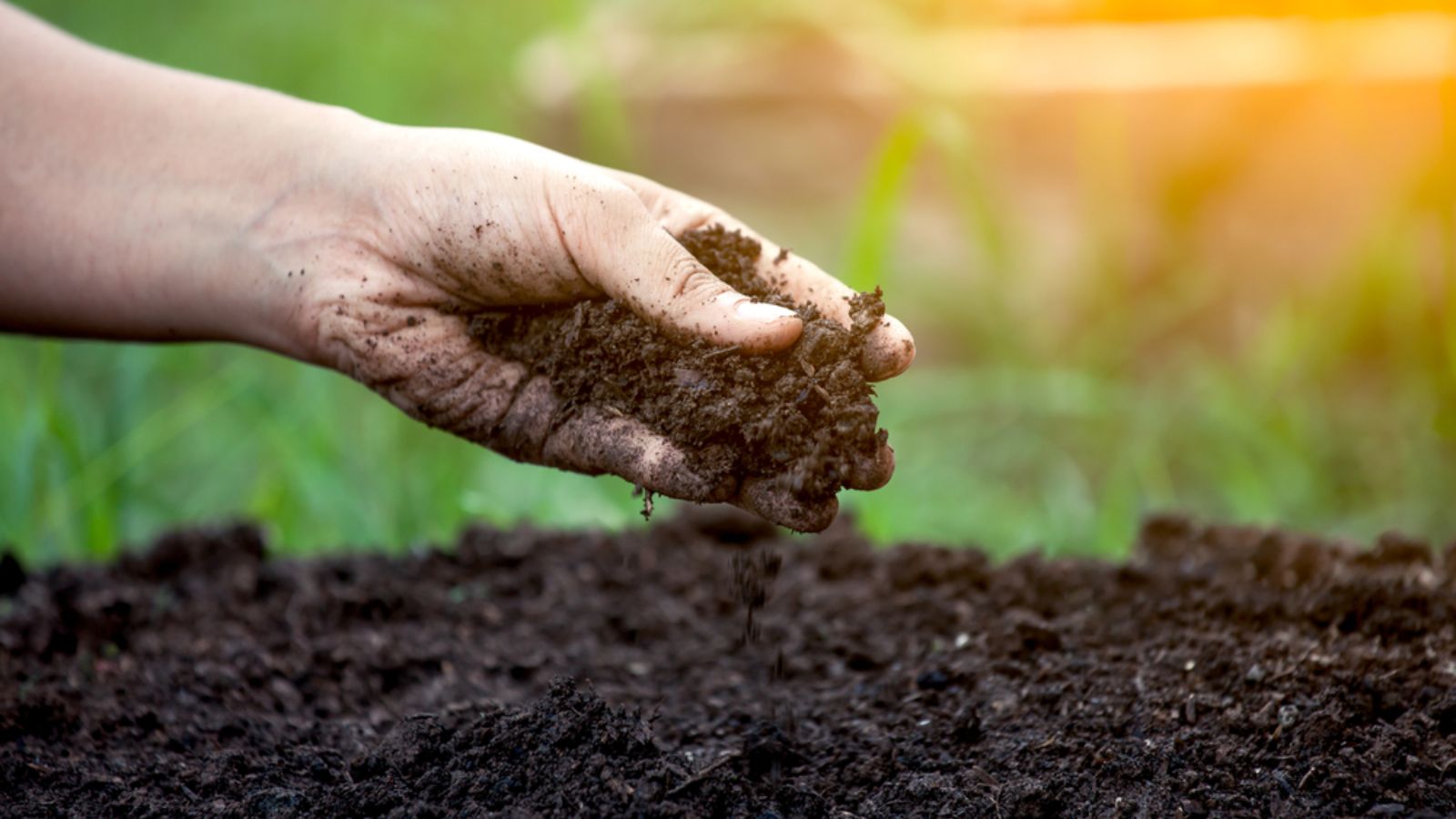
Soil is the very foundation of your garden, and without healthy soil, your plants simply can’t thrive. Poor soil quality can lead to weak plants that struggle to grow, lack color, or are more susceptible to diseases. Many gardeners focus on the aesthetic aspects of their garden but overlook the most important factor—soil.
A healthy garden starts with proper soil preparation. Before planting, take time to assess and improve your soil. This may include testing its pH level, ensuring good drainage, or adding organic matter like compost to enrich it. Organic compost works wonders, helping aerate the soil and provide essential nutrients for your plants to flourish.
One of the easiest ways to boost your soil health is by composting. Composting not only enriches your soil but also helps reduce waste. Whether you use a compost bin or a more advanced system like bokashi bins, turning your food scraps into rich organic material can significantly improve your garden’s overall health.
Depending on your soil’s needs, you may also want to consider adding soil conditioners, fertilizers, or even worms to boost microbial activity and aerate the soil.
Underestimating the Importance of Watering
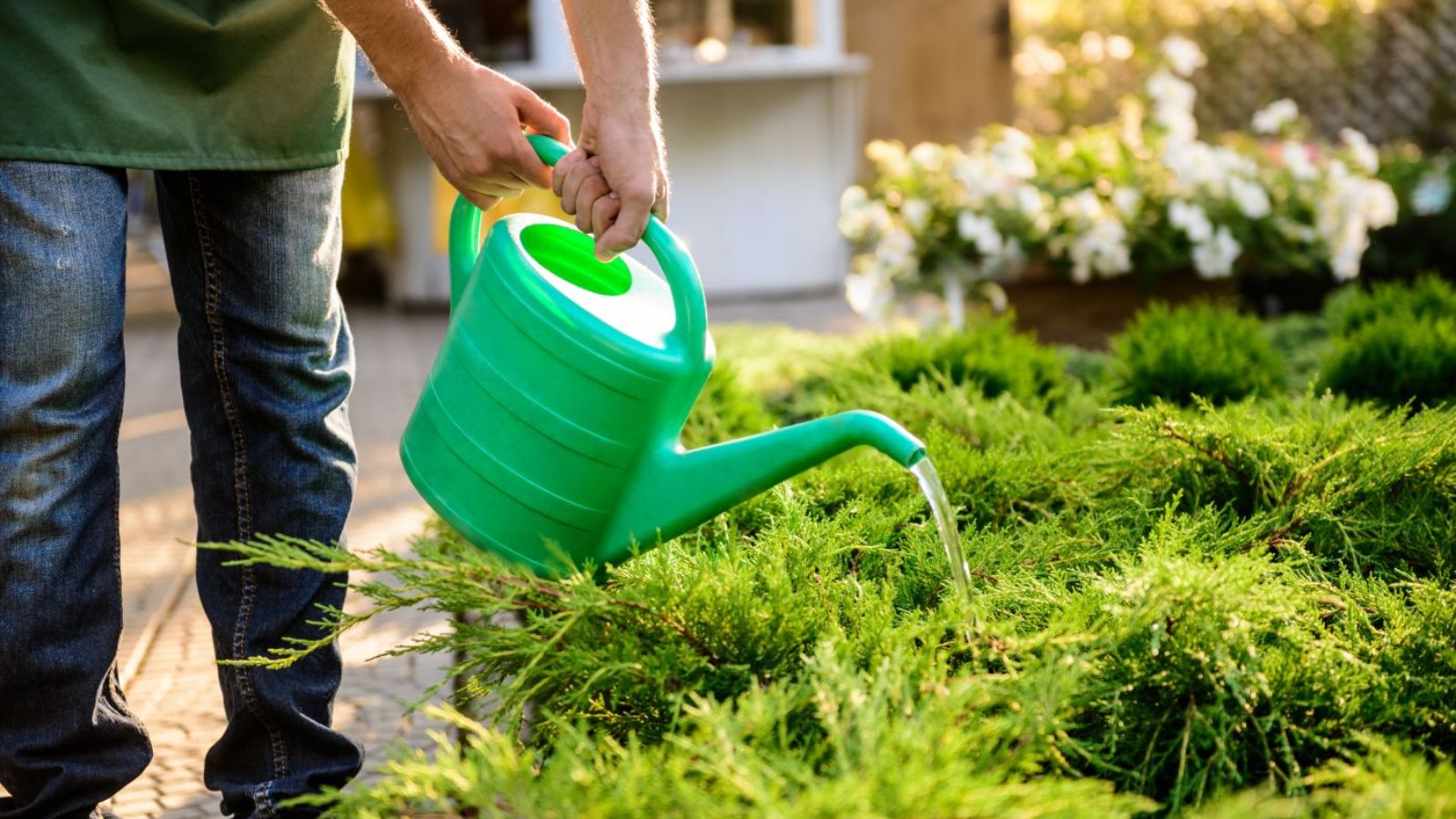
Many gardeners, especially those living in areas with frequent rainfall, make the mistake of underestimating how crucial it is to plan for an effective irrigation system. As a result, they may struggle with plants that are either overwatered or underwatered, both of which can be detrimental to their health.
Water is essential for plant growth, and while nature may provide sufficient rainfall in some regions, most gardens still require additional watering to thrive. Failing to plan for water conservation or irrigation systems can lead to dry, stressed plants, or an unsustainable water bill.
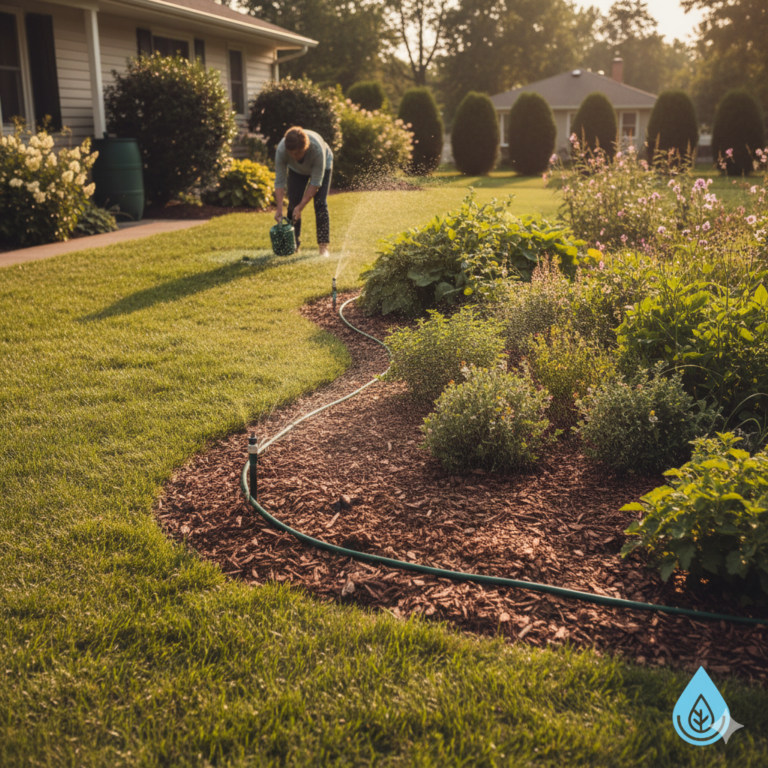
Installing a rainwater harvesting system, such as a water butt or a rain garden, is an eco-friendly and efficient way to collect and store water for your garden. By rerouting your downpipes into a water storage system, you can ensure your garden receives the moisture it needs, even during drier periods.
Additionally, consider adding automatic irrigation systems that use water-efficient technology. Drip irrigation or soaker hoses can help target plant roots, ensuring water is distributed directly where it’s needed and minimizing waste.
Overemphasizing Lawn Areas
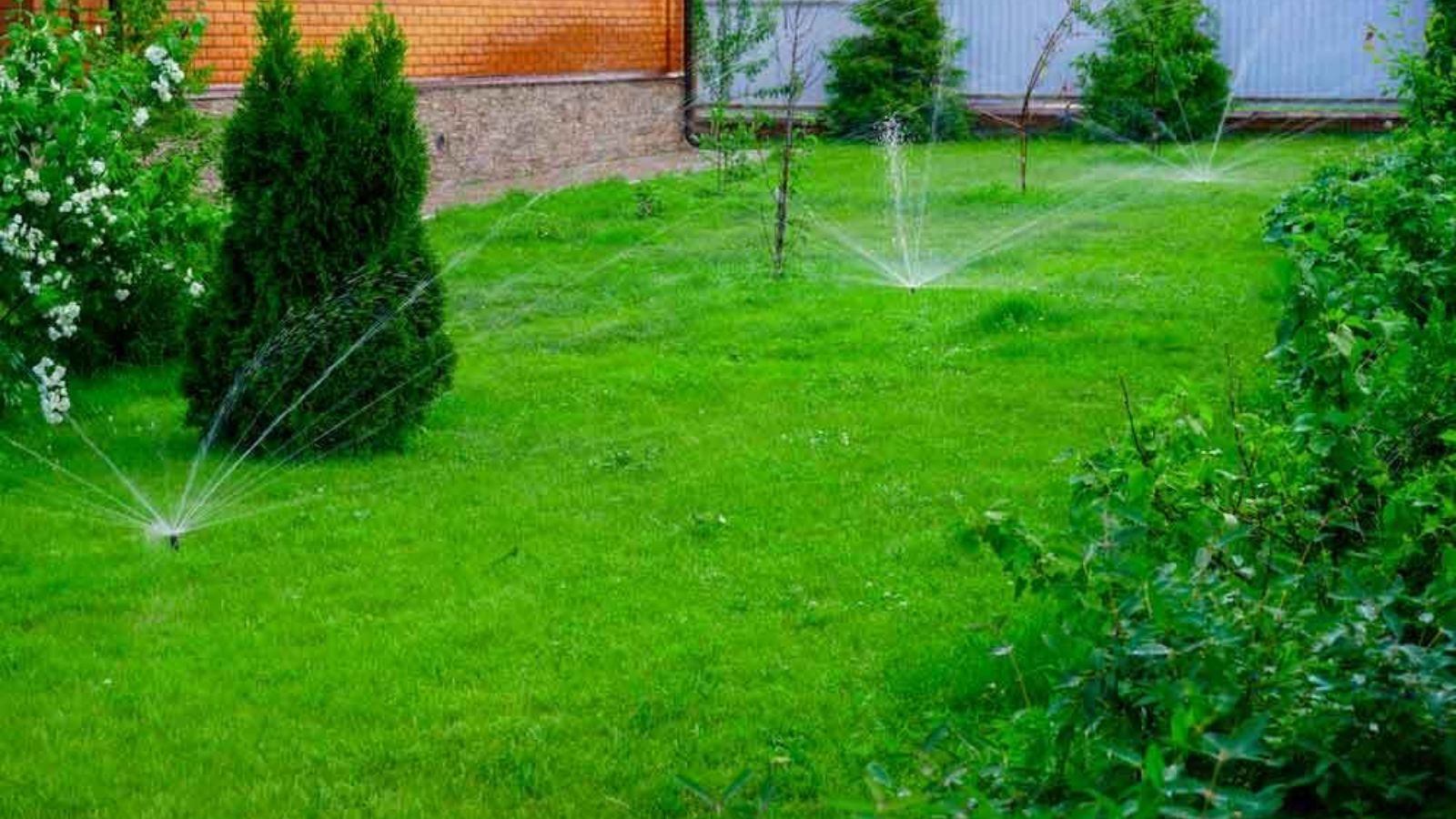
While a lawn can be a beautiful focal point in a garden, it doesn’t always make the most sense from an environmental or maintenance standpoint. Lawns often require frequent mowing, high water usage, and chemical fertilizers, which can be both costly and harmful to the environment.
If you love the idea of a lawn but want to minimize maintenance, try experimenting with low-maintenance alternatives, such as a gravel garden or a wildflower meadow. These options provide a beautiful, natural look while promoting biodiversity and reducing water consumption.
Gravel gardens are becoming increasingly popular, especially in drought-prone areas. They require minimal maintenance, as gravel naturally prevents weeds from growing. Additionally, they create a beautiful, textured space that pairs well with drought-tolerant plants such as succulents, lavender, and ornamental grasses.
If you still prefer a traditional lawn but want to reduce its environmental impact, try downsizing your lawn and incorporating more flower beds, shrubs, or even edible plants like herbs and vegetables. This will help create a more balanced garden that’s both functional and aesthetically pleasing.
Careless Planting and Poor Plant Selection
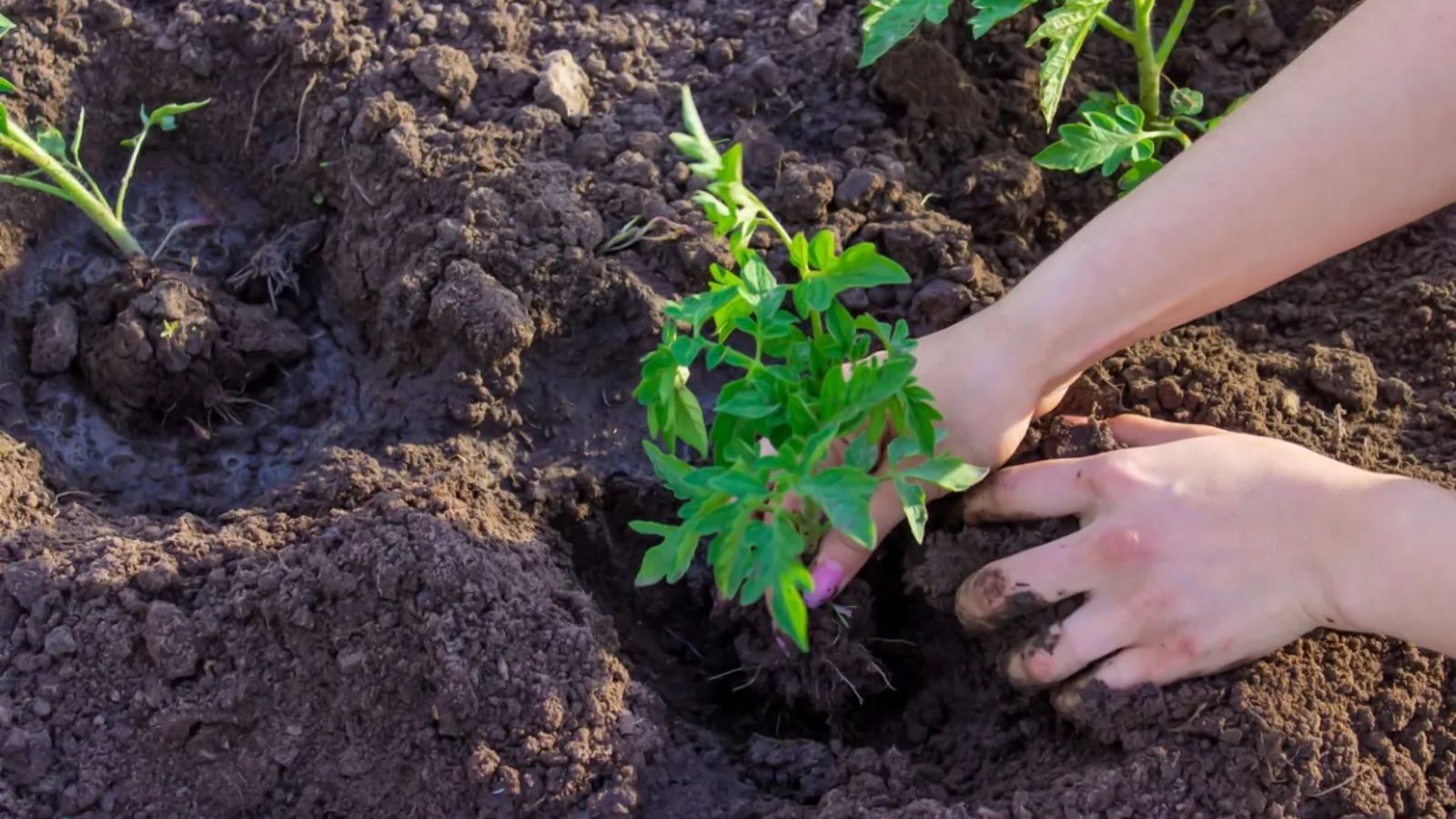
When designing a garden, one of the most common mistakes is failing to consider the long-term growth of plants. It’s easy to get excited about new plants and throw them into your garden without thinking about how they’ll interact with each other in the future.
Another issue arises when gardeners choose plants solely for appearance, without considering their needs. For example, some plants might require more sunlight than others, or they might need specific soil types. Mixing incompatible plants can lead to overcrowding, poor growth, and even plant death.
You also want to avoid planting too many varieties that might compete with each other. A few strong and well-placed plants can have a more significant impact than a jumble of random species. Consider using a more cohesive planting palette, with plants that repeat and complement one another.
Not Considering Garden Scale and Proportion
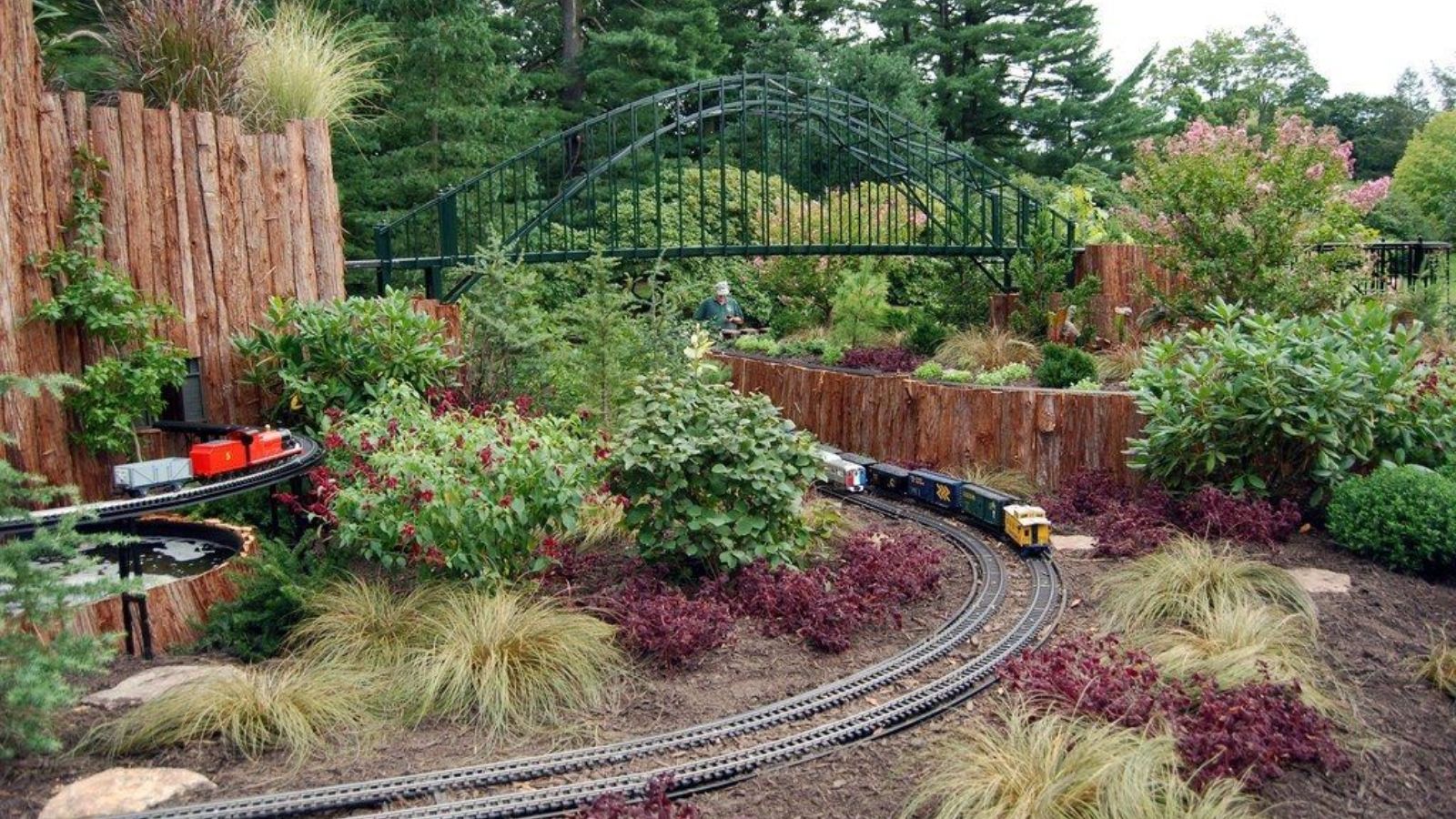
One of the biggest design mistakes is failing to consider the scale of garden features. If you have a small garden, planting towering trees or massive sculptures might make the space feel cramped and overwhelming. Similarly, tiny plants in a large garden can appear insignificant.
To create a garden that feels balanced, use large structures or plants sparingly. A single large tree or a bold garden feature can serve as the focal point of your garden without overwhelming the space. For smaller gardens, consider using vertical gardening techniques, such as climbing plants, trellises, or hanging baskets to maximize space.
If you’re unsure about the proportions, try creating a scaled drawing of your garden before planting. This will allow you to visualize how different elements will fit together in the space and make adjustments as necessary.
Overlooking the Importance of Seasonal Interest
Many gardeners focus on spring and summer plants, but forgetting about fall and winter can leave your garden looking bare and lifeless as the weather cools. Seasonal interest keeps your garden attractive year-round, even when some plants have finished blooming. Including plants that offer winter color, texture, and structure can make a huge difference in keeping your garden visually appealing.
Consider adding a variety of plants that offer seasonal interest. In the winter, evergreen shrubs, ornamental grasses, and colorful berries can provide structure and color, while in the fall, trees with vibrant autumn foliage can create stunning visual effects.
For added interest, you can also include plants that offer movement, such as ornamental grasses, which sway beautifully in the wind, or plants with striking bark, like birch trees.
Conclusion
Garden design is a process that requires thoughtful planning, patience, and care. While it’s impossible to avoid every mistake, being aware of common pitfalls can help you create a garden that is both beautiful and functional.
By paying attention to your soil, planning for water needs, considering the scale of your plants, and planting with seasonal interest in mind, you can avoid the most common mistakes and design a garden that thrives year-round. Remember, gardening is all about learning and adapting—don’t be afraid to make mistakes and enjoy the journey as you grow and refine your garden.
Read the original article on crafting your home