

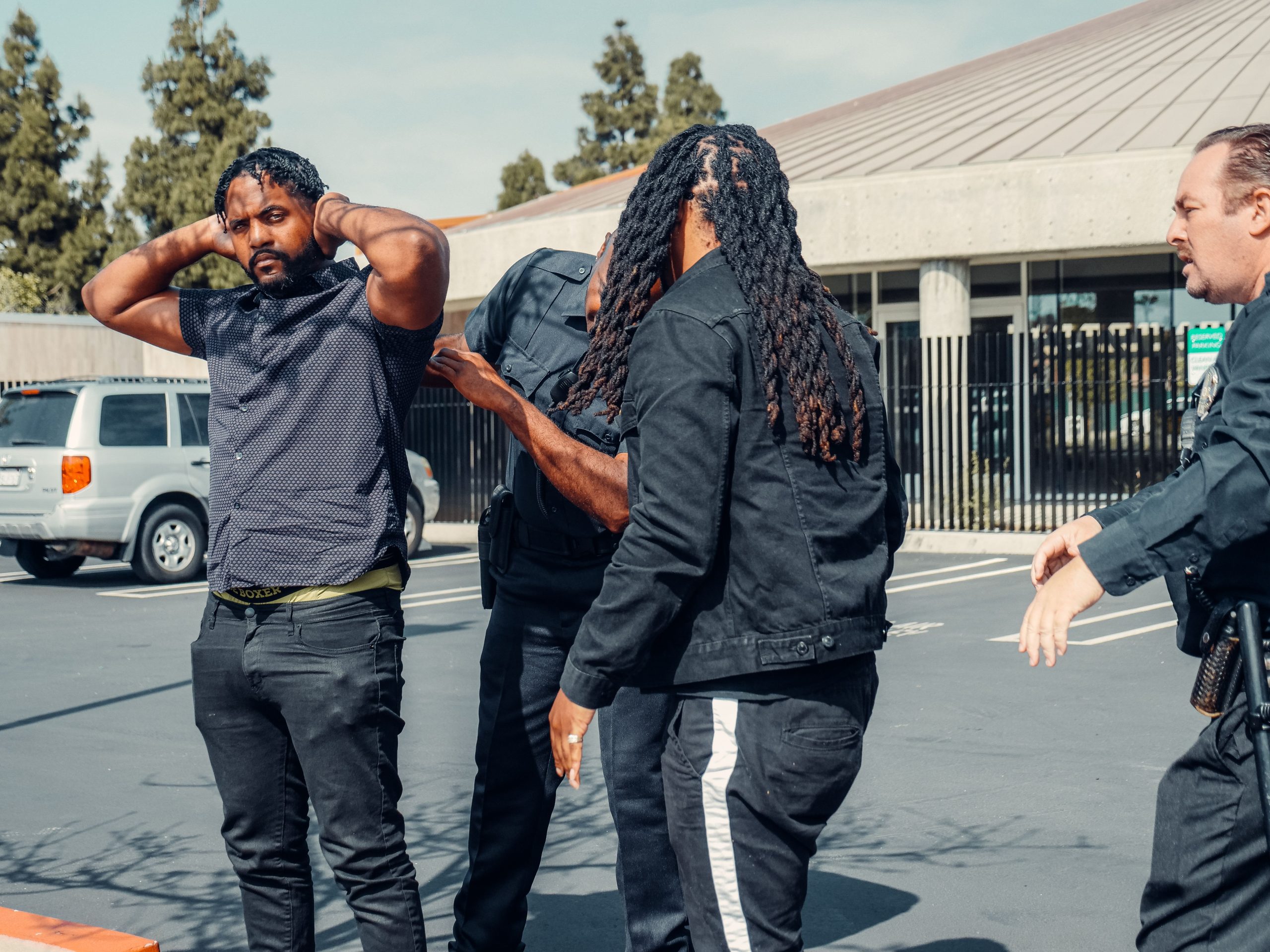
Encountering a crime scene, whether by chance or because you were present when it happened, is one of the most dangerous, legally sensitive situations you can ever face. In the United States, the integrity of the criminal justice system depends on meticulous police procedure, strict evidence preservation, and strict adherence to legal rights.
A single careless move can endanger your safety, derail an investigation, or even result in charges against you. Understanding what not to do isn’t just common sense; it’s critical to keeping yourself out of legal trouble and ensuring justice is served.
Touching or Moving Anything
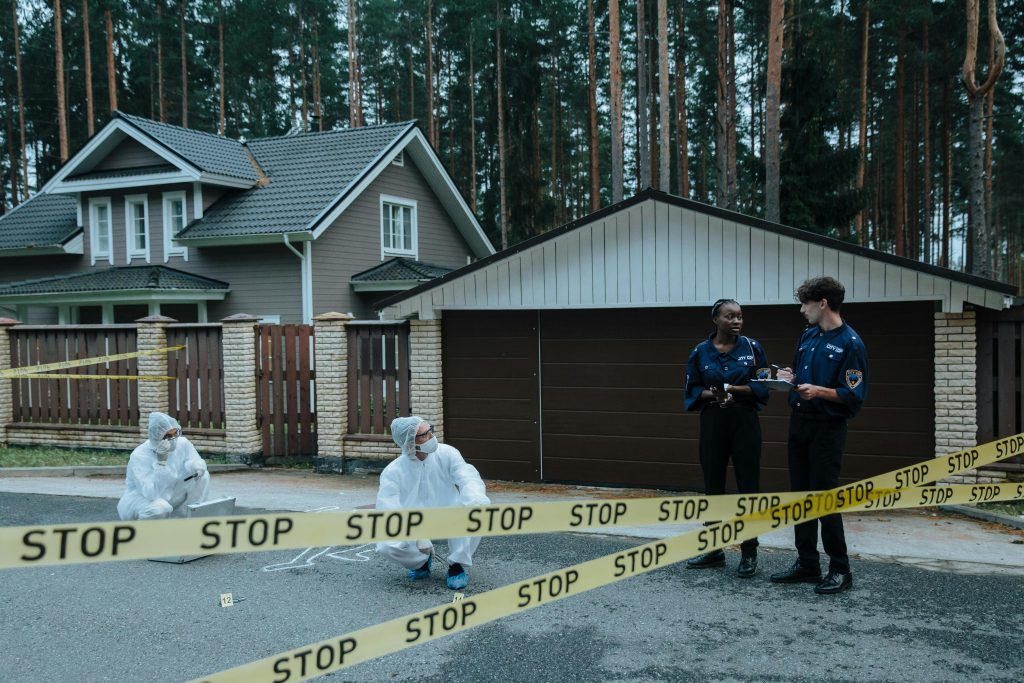
Even well-intentioned actions like moving a body, picking up a weapon, or touching evidence can destroy crucial forensic markers. In the American system, forensic experts meticulously document where evidence is found before it is ever moved, including fingerprints, blood spatter, footwear impressions, and bullet trajectories.
Compromising this process can undermine criminal prosecutions, especially in homicide or assault cases where spatial relationships of evidence are key. Police departments nationwide train patrol officers to secure scenes precisely because even the slightest disturbance can affect the outcome of trials.
Contaminating the Scene With Foreign Materials
Introducing food wrappers, bottles, cigarettes, footprints, or other discarded items into a crime scene introduces foreign materials that can be mistaken for evidence or destroy trace evidence such as hair, fibers, or fingerprints. In the U.S., crime scene investigators wear protective gear specifically to avoid contamination and warn bystanders repeatedly to stay clear. Anything new in the scene can complicate lab analysis and open the door to defense arguments about contamination at trial.
Ignoring Police Tape or Orders
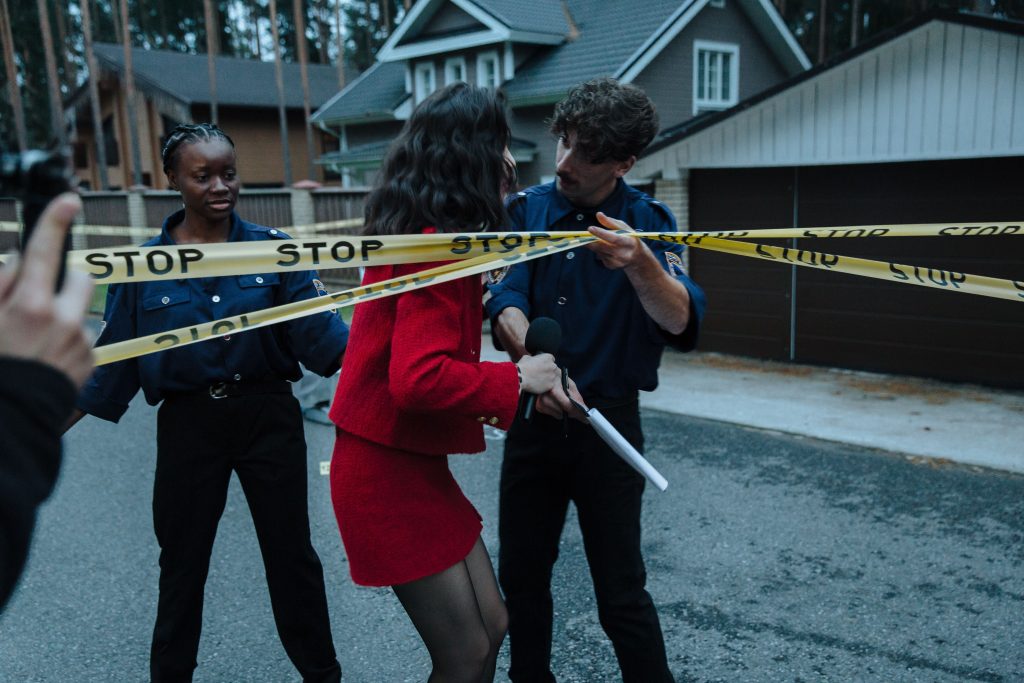
Police tape isn’t decoration; it’s a controlled perimeter established to preserve evidence. Crossing it after officers have arrived, ignoring commands to stay back, or approaching the taped area can destroy footprints, soil imprints, and subtle scene details. In major U.S. cities, failure to respect these boundaries can lead to arrest or obstruction charges.
Respecting officers’ instructions protects the investigation and your legal liability.
Taking Photos or Videos Without Permission
While citizens document breaking news, recording crime scenes without authorization can interfere with investigations and jeopardize privacy rights. A well-known example involved several St. Louis officers who shared inappropriate crime-scene photos on their personal phones. The incident led to departmental discipline and highlighted the legal and ethical issues around unofficial recordings at crime scenes.
This behavior not only disrespects victims but can also be used in court to challenge the credibility of evidence or to violate court-ordered protocols.
Trampling Through Evidence
Large crowds lingering around crime scenes, whether due to curiosity or protest, can inadvertently destroy fragile evidence. Scenes involving shootings or assaults often hold minute clues, such as shell casings, fibers, or soil impressions, that help investigators reconstruct sequences of events. Once that evidence is disturbed, it’s gone, and crucial leads can disappear with it.
Interfering With Medical Response
In the U.S., first responders prioritize life-saving measures, but even so, moving injured victims without documenting the reason to police on scene can look suspicious or interfere with future forensic examinations. If you’re attempting a rescue, make sure you tell officers immediately what you did and why; every movement matters.
Leaving Your Personal Items at the Scene
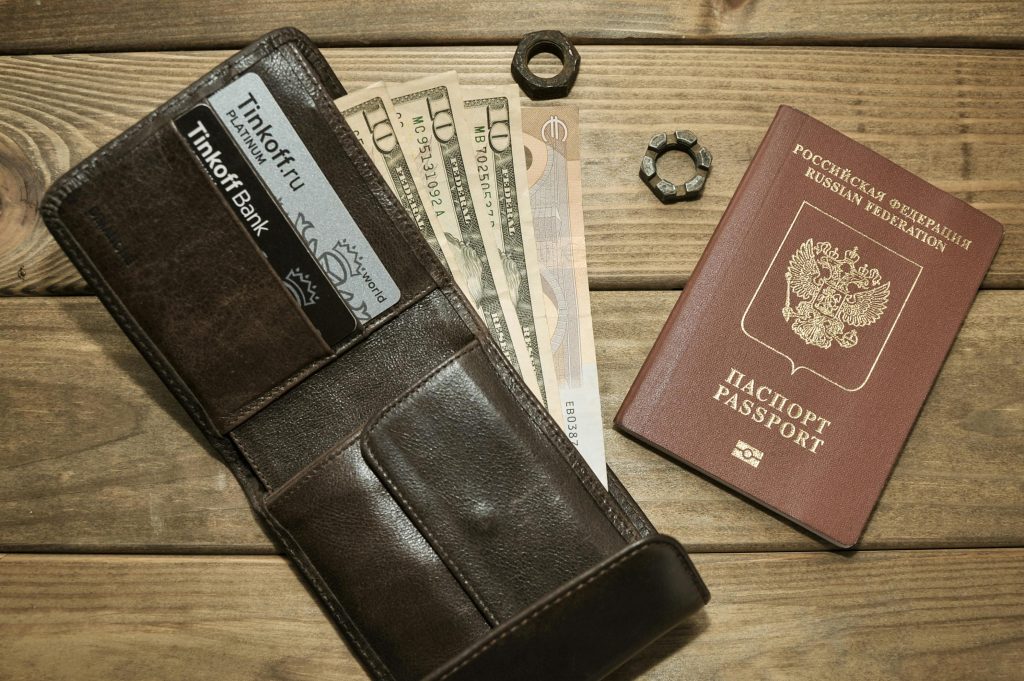
Leaving behind a wallet, phone, or ID at a crime scene ties you to that location. In American criminal procedure, physical presence and personal effects are often used in probable cause assessments and suspect interviews. Without a credible explanation, investigators may have no choice but to investigate you as a person of interest.
Touching Weapons or Hazardous Objects
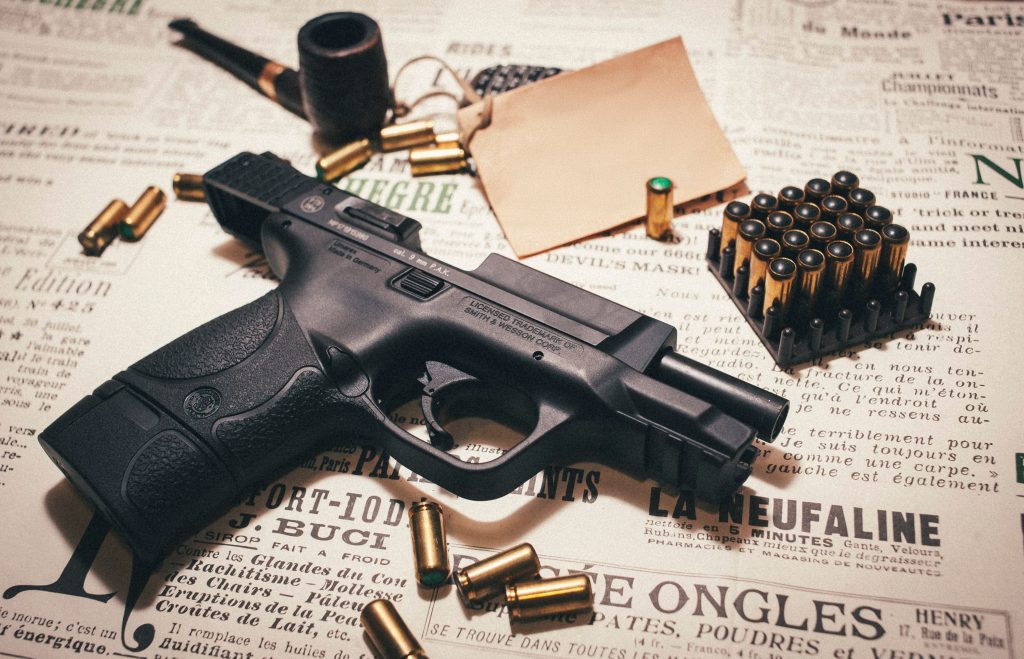
Even if a weapon seems harmless or you think you’re helping, never touch it. U.S. criminal procedure requires weapons to be photographed, documented, and processed by trained specialists. Fingerprints, DNA, and ballistic markings can provide a link between a firearm and a suspect, but only if they remain undisturbed until properly processed.
Creating a False or Unverified Narrative
One of the most enduring lessons from the O.J. Simpson case, and countless other American trials, is that sloppy evidence handling or undocumented actions can give defense attorneys strategic openings. In high-profile cases, defense teams routinely attack the integrity of evidence.
If evidence can’t be confidently traced from the scene to the lab to the courtroom, it can be suppressed or dismissed. That means a guilty person might go free, or worse, you could end up under investigation.
Failing to Call Law Enforcement Immediately
The single worst action you can take at a crime scene is to do nothing. Time matters. In the U.S., the sooner law enforcement secures a scene, the more likely it is that evidence remains intact, witnesses are located, and suspects are apprehended. Delays allow critical evidence to degrade, be tampered with, or disappear entirely.


