

The post Most Older Women Regret Peaking Before 30: Here Are 8 Reasons first appeared on Crafting Your Home.
The idea that women peak before 30 is powerful because it turns an entire decade into a deadline. Yet no credible evidence shows that most older American women regret reaching their physical or social peak before 30.
Stronger evidence points to a more uncomfortable story: women can spend their younger years learning that youth determines beauty, desirability, and visibility, only to face a different set of pressures once those years are gone.
A 2024 study in Psychology and Aging examined 2,006 U.S. adults ages 50 to 80 using nationally representative data from the National Poll on Healthy Aging. Women made up 52% of the sample. The researchers found that 35% of participants reported investing time or effort in looking younger, while 59% said they appeared younger than people their age.
That does not prove widespread regret about youth. It does show why the cultural idea of a female expiration date can have consequences long after 30.
Women are taught to treat youth as a limited resource
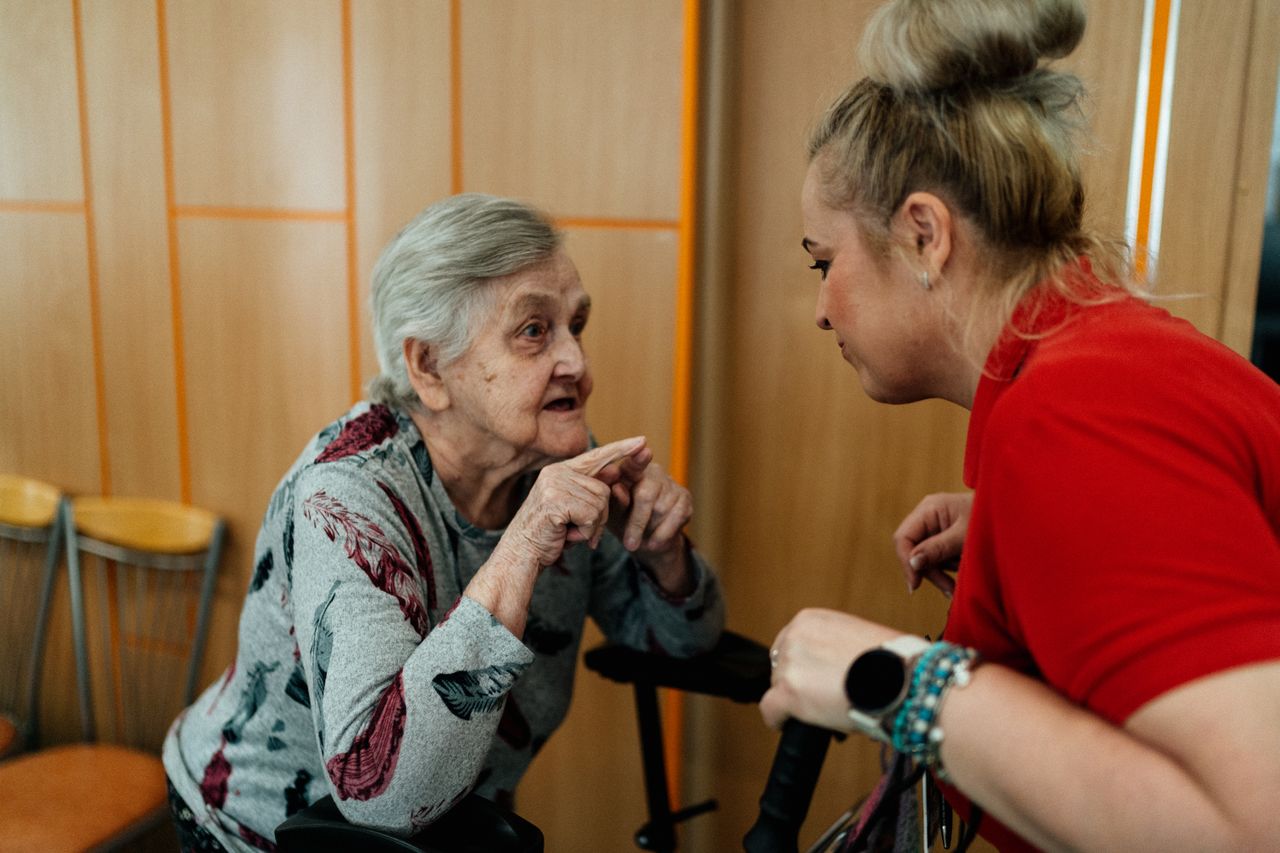
Youth has an unusually high cultural value for women because appearance is often tied to social judgments about femininity.
Researchers Julie Ober Allen, Valerie Moïse, Erica Solway and colleagues found that older Americans who believed they looked relatively younger than their peers reported more positive experiences of aging. Those who thought they looked older reported the reverse pattern.
The finding matters because it shows how appearance can become part of the experience of getting older. A woman who spent her 20s hearing that youth was her greatest asset may eventually discover that the same standard has followed her into middle age.
The problem starts when beauty becomes a countdown rather than one attribute among many.
The supposed peak can become a psychological trap
Telling women that their most valuable years happen before 30 can make ordinary aging feel like a loss.
Research published in Innovation in Aging in 2017 examined 20 women between 64 and 83 through lengthy individual interviews. The researchers found that participants described pressure from youth-focused beauty standards, including feelings of exclusion tied to their aging bodies. Many also criticized and resisted those standards.
That resistance is important.
Older women are not a single bloc waiting to mourn their younger selves. Some reject the premise that youth represented their best years. Others may still feel the effects of having lived under that expectation for decades.
The distinction matters because regret and resistance can exist in the same life.
Aging can change how visible a woman feels
Laura Hurd Clarke and Meridith Griffin reached a striking conclusion after interviewing 44 women between 50 and 70.
Their participants described beauty work involving hair dye, makeup, cosmetic surgery and nonsurgical procedures in connection with several concerns, including employment, romantic relationships and the fear of becoming socially invisible.
That makes the phrase peaking before 30 particularly revealing.
The pressure may never have been purely about looking beautiful. Looking youthful could also function as a way to remain legible in workplaces, dating environments, and social settings.
Aging therefore becomes more complicated when a woman’s appearance has been treated as part of her social currency.
The workplace can reinforce the fear of becoming older
American women do not encounter ageism only in mirrors.
AARP reported in July 2026 that 64% of workers ages 50 and older had seen or experienced age discrimination at work. The same research found that 22% said they felt pushed out of their jobs because of their age.
The gendered dimension is visible in AARP’s separate research on women. In June 2025 data, 66% of women ages 50 and older who were working or looking for work said older workers face age discrimination in the workplace. Among those women, 95% considered it common.
That context makes youthful beauty standards more consequential. A woman can receive cultural messages that her appearance is declining while simultaneously encountering assumptions that her professional value is declining too.
Her age becomes visible in more than photographs.
Looking younger can become work in its own right
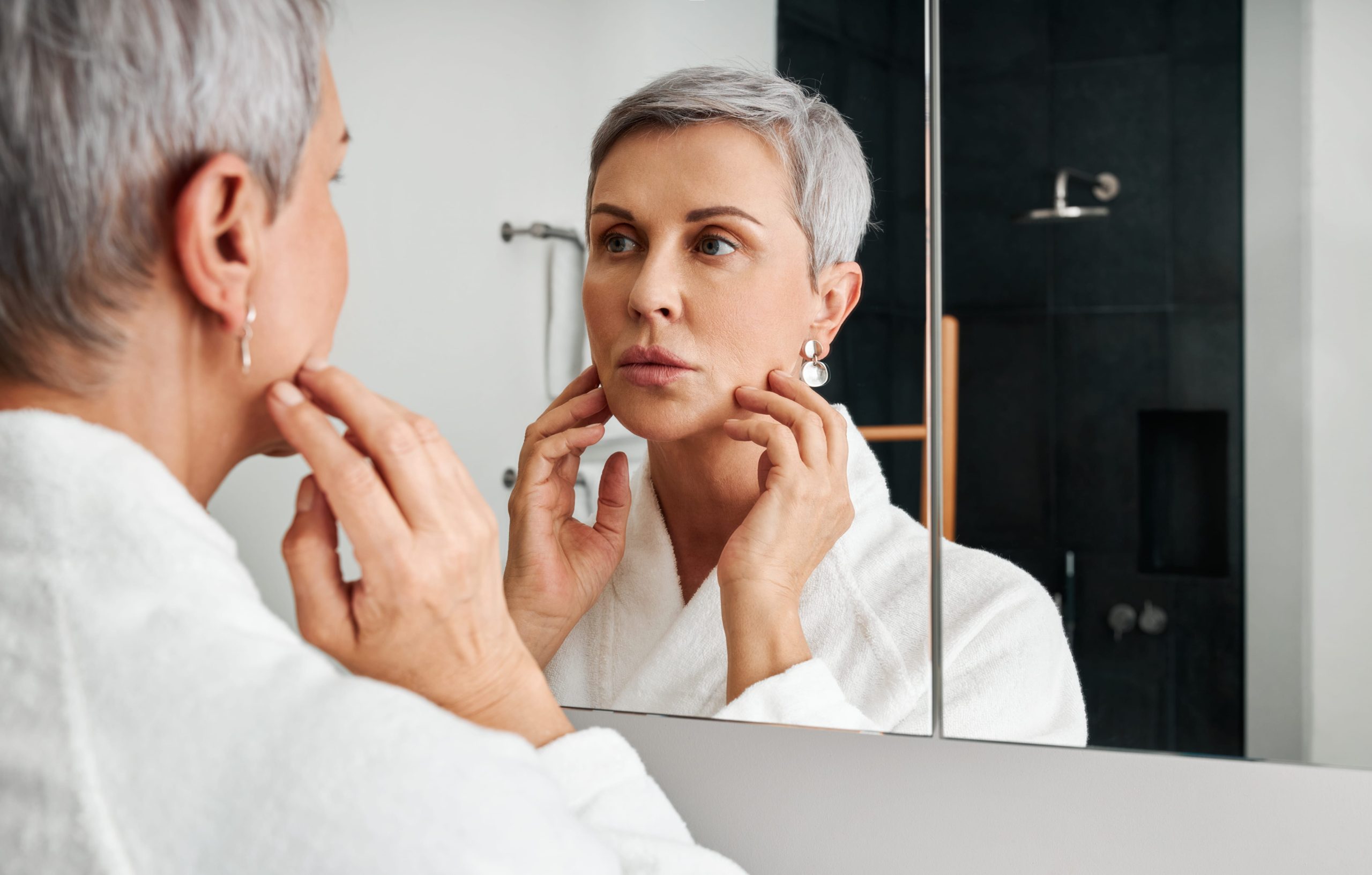
The U.S. research does not support a simple story in which women either embrace aging or obsess over reversing it.
Allen and her colleagues found that investing effort in looking younger was associated with both more positive and more negative experiences of aging. Their conclusion specifically cautioned against treating efforts to look younger as inherently harmful or inherently beneficial.
That finding cuts through some of the usual anti-aging arguments.
For one woman, changing her hair may feel expressive and enjoyable. For another, the same decision may be shaped by fear of being judged as old. The visible result can be identical even when the social meaning differs completely.
Part of the pressure comes from having to negotiate that distinction repeatedly.
Related: 8 Outdated Beauty Rules Older Women Can Leave Behind
Older women can internalize the messages they spent decades hearing
More than 93% among 2,035 adults ages 50 to 80 reported regularly experiencing at least one form of everyday ageism. Internalized ageism was reported by 81.2%, while 65.2% reported exposure to ageist messages.
The study also found that women reported slightly higher average levels of everyday ageism than men, although the sex difference was not statistically significant. Women were more exposed to ageist messages portraying aging and older adults as unattractive, undesirable or objects of ridicule in a later analysis of the same National Poll on Healthy Aging data.
That distinction is revealing.
A culture does not have to tell an older woman directly that she has lost her value. Repeated jokes, advertising, workplace assumptions and beauty messaging can make the hierarchy obvious without anyone stating it outright.
The dating market can make youth feel more valuable in hindsight
Beauty standards become especially complicated when romantic desirability enters the picture.
Males show a stronger preference for youthful faces when the pictured person could be considered a potential sexual partner.
That qualification matters.
This does not justify the sweeping claim that women become undesirable after 30. It does show why women can face different expectations around age and attractiveness, particularly in contexts where physical appearance carries more weight.
For someone raised to treat romantic attention as evidence of her value, losing the cultural advantages associated with youth can feel bigger than losing a youthful face.
Related: 4 Hard Truths Behind Why Younger Men Are Drawn to Older Women
The idea of a female peak leaves out everything that happens after it
The biggest weakness in the peak-before-30 narrative is how it defines value.
A Gender and Body Image study found that women’s accounts of aging covered far more than appearance. Researchers identified themes involving the physical and psychological experience of aging, inequities and challenges, self-care, and the desire to maintain a contributory role in society.
More recent research makes the same point from a different angle. In 2024, Florida State University researchers Brianna Soulie, Anne Barrett and Hope Mimbs interviewed 20 women between 57 and 83 about ageist beauty norms. Participants differed substantially in how they responded: some pursued beauty work intended to conceal aging, while others resisted those expectations. Employment and relationship security influenced how women navigated those pressures.
Beauty practices could also function as ways of negotiating dignity, visibility, belonging and agency as well as responding to ageist expectations.
Other Posts You May Like
- Women in Their 30s Need to Stop Treating Every New Person as a Potential Partner
- Why Wealthy Women Don’t Chase Rich Partners or Youth Like Wealthy Men Do
If you like what you just read, then subscribe to our newsletter and follow us on social media.


