

The post 8 Outdated Beauty Rules Older Women Can Leave Behind first appeared on Crafting Your Home.
For years, women have been told that aging comes with strict beauty rules: hide the gray, cut your hair shorter, avoid bold makeup, and constantly fight visible signs of getting older. But many of these expectations stem from shifting beauty standards rather than real requirements. Research and expert guidance show that aging brings natural changes, while personal style remains a choice.
“You must cover every gray hair.”
Gray hair is often treated as something women should hide, but it is a normal part of aging. According to the Cleveland Clinic, hair turns gray when pigment-producing cells gradually lose their ability to produce color, and many people begin noticing gray hair in their 30s or 40s. Genetics plays a major role in when graying starts and how quickly it progresses.
The verdict: coloring your hair can be a creative choice, but silver, gray, white, blended, or dyed hair can all be stylish options. Gray hair does not mean someone has stopped caring about their appearance.
Related: 13 Surprising Habits That Quietly Age You Faster
“Long hair is only for younger women.”
The idea that women must cut their hair short after a certain age is a long-standing beauty expectation, not a rule backed by dermatology. Hair changes over time, and some women experience differences in density, strand thickness, dryness, or shedding, but these changes don’t determine a required hairstyle.
The verdict: the right length is the one that fits your hair, lifestyle, and personality—not one chosen because of your age.
“You need a tan to look healthy.”
For decades, a bronzed complexion has been promoted as a sign of beauty, but dermatologists have challenged the idea that tanning is necessary for a healthy-looking appearance. The American Academy of Dermatology states that there is no safe tan and notes that tanning contributes to skin damage and visible aging. It also advises avoiding tanning beds.
The verdict: a golden glow can be a style preference, but it is not a beauty requirement. A natural complexion is just as valid.
“A complicated anti-aging routine is mandatory.”
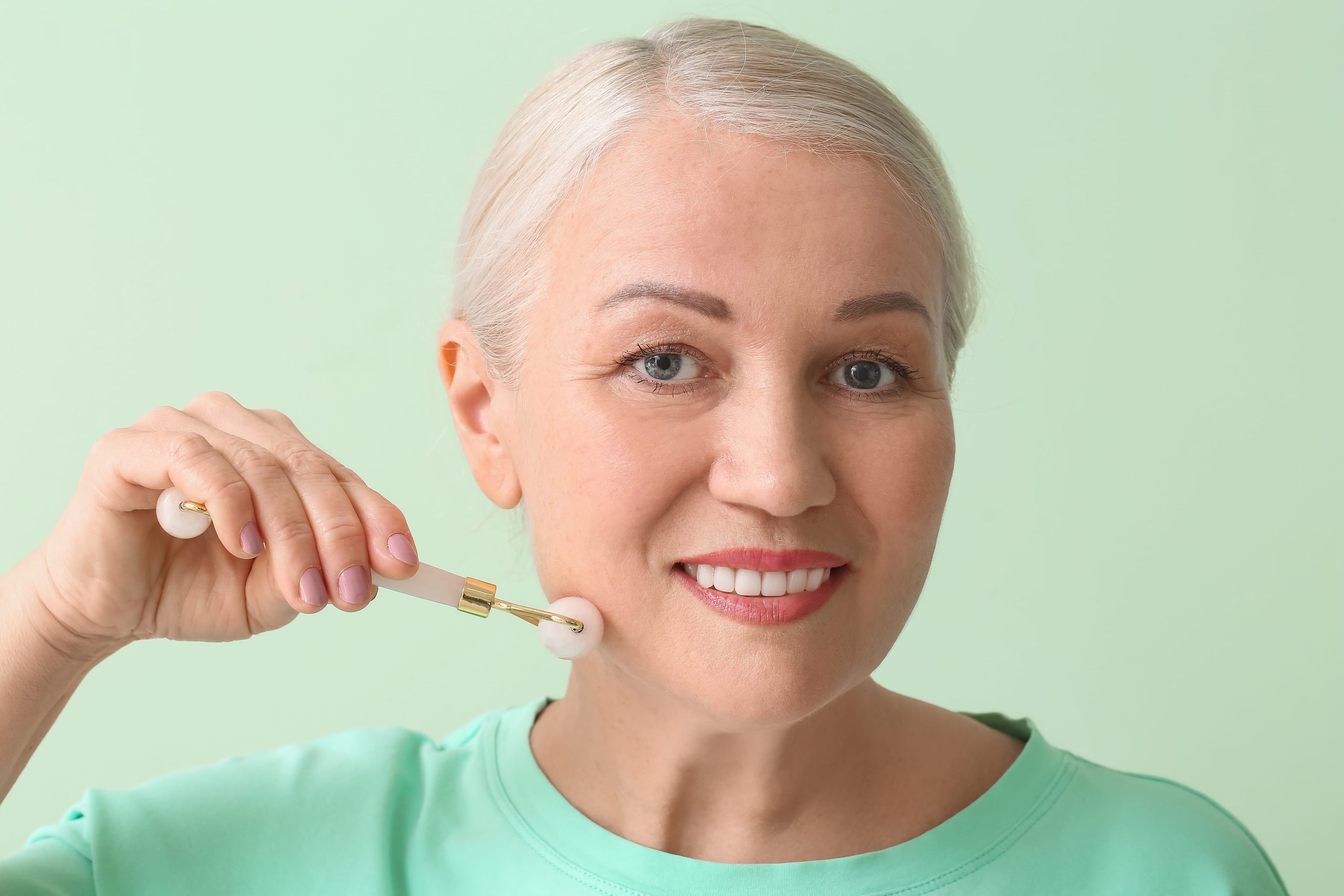
Beauty marketing often suggests that more products equal better results. Still, dermatology guidance focuses on a simpler foundation: sun protection, gentle skincare, moisturizer when needed, and treatments chosen for individual concerns. Products such as retinoids may help some people, but they aren’t required for everyone and can irritate some users.
The verdict: a shorter routine with products that work for you can be just as worthwhile as a cabinet full of trendy formulas.
Related: 8 Everyday Drinks That Can Be Part of a Healthier Aging Routine
“You’re too old for bold lipstick, shimmer, eyeliner, or color.”
Makeup rules often come from social expectations, not science. No dermatologic age limit determines when someone should stop wearing bright lipstick, colorful eyeshadow, eyeliner, or other creative looks.
The verdict: makeup is a form of self-expression. Whether you prefer a bold look, a minimalist style, or no makeup at all, the choice is yours.
“Every chin hair, facial hair, or stray brow hair must be removed immediately.”
Facial hair can change with age. Around menopause, lower estrogen levels can be linked with changes such as increased chin hair, while head hair may become drier, finer, or thinner. These changes are common and don’t reflect a failure to maintain your appearance.
The verdict: grooming is personal. Tweezing, trimming, shaving, waxing, or leaving things alone are all valid choices.
“A new dark spot is just an age spot.”
Don’t automatically dismiss every new skin change as a normal part of aging. The American Academy of Dermatology recommends paying attention to spots that are new, changing, itchy, or bleeding. Dermatologists look for changes in shape, borders, color, size, or how a spot evolves when evaluating suspicious spots.
The verdict: makeup can be fun, but covering a noticeable change should not replace paying attention to your skin.
“Hair dye is required—or natural dye is automatically safer.”
Choosing to color your hair is a personal decision, but evidence doesn’t support the idea that “natural” products are always safer. The FDA recommends following hair-dye instructions carefully and performing a patch test each time before using the product.
The verdict: dye your hair because you enjoy the look—not because you feel pressured to hide gray. And whatever product you choose, follow safety directions.
The best beauty rule after 50 may be the simplest: keep what feels expressive, leave behind what feels like pressure, and choose what works for you.
Other posts you might like
- 10 Things Older Women Want Most in a Relationship
-
Over 65? Doing These 8 Things Easily Means You’re Aging Exceptionally Well
If you like what you just read, then subscribe to our newsletter and follow us on social media.


