


Bitcoin ATMs were once sold as the easiest doorway into the crypto economy. They stood in gas stations, corner stores, supermarkets, and smoke shops, promising a fast path from cash to Bitcoin for people who did not want to deal with online exchanges.
Now that doorway is being slammed shut.
Bitcoin Depot, one of the biggest names in the crypto ATM business, has entered Chapter 11 bankruptcy, marking one of the clearest signs yet that the cash-to-crypto machine model is under severe pressure. The company said it began a court-supervised process to wind down operations and sell its assets after mounting regulatory pressure, lawsuits and state restrictions made the business increasingly difficult to sustain.
This is not just another crypto company stumbling in a volatile market. It is a deeper warning about an industry that grew quickly, spread into everyday retail spaces, and then became closely tied to a wave of scams that drained victims of hundreds of millions of dollars.
The Machines Became Too Risky to Ignore
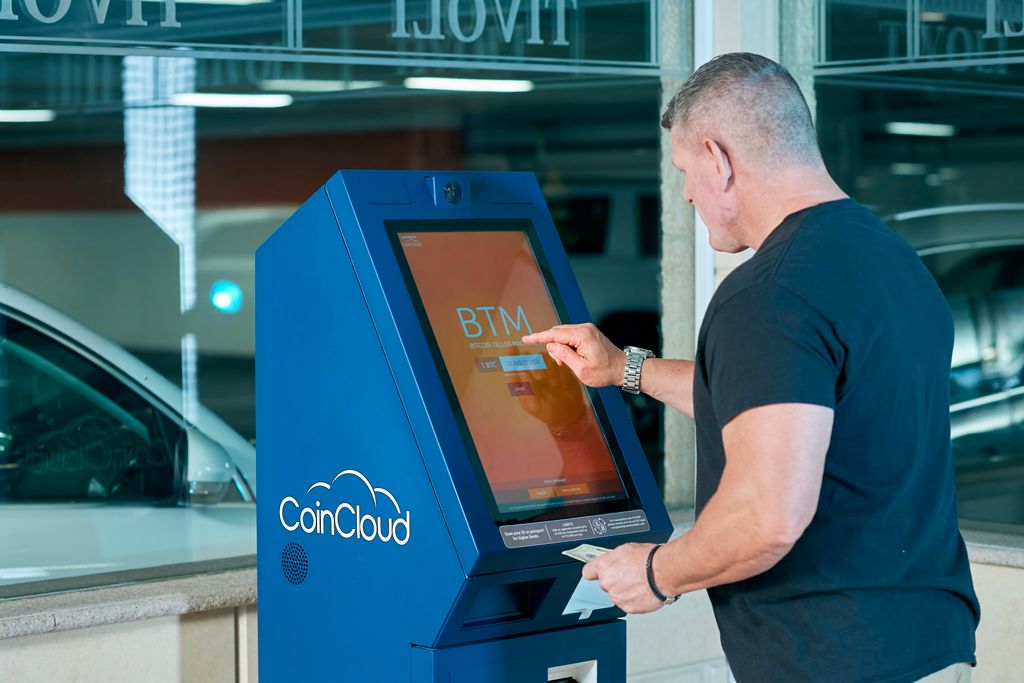
For years, Bitcoin ATMs carried a simple message: bring cash, scan a wallet, buy crypto. That simplicity made them attractive to regular users, especially people who preferred cash or had limited access to traditional online financial tools.
But the same speed and simplicity also made them attractive to criminals.
Scammers learned that a frightened victim could be pressured into withdrawing cash, driving to a nearby kiosk, scanning a QR code, and sending money almost instantly. Once that cash was converted into cryptocurrency, it could move into a digital wallet controlled by criminals, often beyond easy recovery.
That is the heart of the crackdown. Regulators are not simply arguing about Bitcoin as an asset. They are attacking the physical cash-to-crypto pipeline that allowed fraud to happen quickly, quietly, and in familiar neighborhood locations.
The pattern has become painfully familiar. A victim receives a call, text, or pop-up warning about a fake bank problem, government investigation, tech support issue, or compromised account. The scammer creates panic. The victim is told to protect their money by withdrawing cash and depositing it into a specific Bitcoin ATM. The machine becomes the final step in the theft.
By the time the victim realizes the story was false, the money is often gone.
Bitcoin Depot’s Collapse Lands at the Worst Possible Moment
Bitcoin Depot’s bankruptcy comes as lawmakers and enforcement agencies are becoming far less patient with the industry. The company said it had strengthened fraud protections, including identity verification, warnings and lower transaction limits. But it also acknowledged that the legal environment had changed sharply.
That shift matters. A business built on thousands of physical machines needs a wide geographic reach. It needs stores willing to host kiosks. It needs customers who trust the machines. It needs rules that allow it to operate across many states without facing a maze of bans, caps, and lawsuits.
That model is now breaking down.
Indiana moved first with a statewide ban on virtual currency kiosks. Tennessee followed with a ban set to take effect July 1, 2026. Other states have explored or advanced tighter restrictions. Once states begin treating crypto ATMs as a consumer-protection threat, the economics change quickly.
A kiosk that once seemed like a useful revenue stream for a convenience store can suddenly become a legal and reputational problem. Retailers do not want to be known as the place where an elderly customer lost retirement money to a scam. Lawmakers do not want to defend machines linked to fraud. Operators cannot easily grow when every state may impose a different rulebook.
That is how regulatory pressure becomes financial pressure.
The Scam Numbers Changed the Conversation
The political mood hardened because the losses became impossible to dismiss. Crypto ATM and kiosk complaints have surged, with federal data showing thousands of complaints and hundreds of millions in reported losses in 2025 alone.
Older adults have been especially exposed. That detail gives the issue emotional and political force. When a technology becomes associated with seniors losing savings, lawmakers usually stop asking how innovative the product is and start asking why it is still allowed to operate so freely.
For the crypto ATM industry, that is a dangerous turn. The old argument was that better warnings, stronger checks, and more education could reduce fraud. But scammers often control the victim before the victim reaches the machine. A screen warning may not be enough when someone has already been convinced their bank account is under attack, their identity is in danger, or a loved one needs urgent help.
That makes the machine more than a neutral tool in the eyes of regulators. It becomes the point of conversion that completes the crime.
This Is Bigger Than One Company
Bitcoin Depot’s bankruptcy is significant given the company’s size. This was not a tiny operator with a handful of machines. It was one of the most visible players in the physical crypto access business, with thousands of kiosks and a major retail footprint.
Its fall suggests that the larger crypto ATM model is facing a legitimacy crisis.
The issue also reaches beyond the kiosk operators themselves. Crypto ATMs depend on Bitcoin liquidity. When a customer inserts cash and receives crypto, the operator needs access to digital assets to complete that transaction. That has drawn attention to the broader network of exchanges, trading firms, and liquidity providers that helped keep the machines supplied.
Regulators may now ask a bigger question: if a distribution channel becomes heavily associated with scams, who else in the chain should be held responsible?
That question could shape the next phase of enforcement. Future scrutiny may not stop at machine operators. It could reach business partners, retail hosts, payment processors, liquidity providers, and compliance teams.
Bitcoin Is Not the Same as Bitcoin ATMs
One important distinction should not be lost. The trouble facing Bitcoin ATMs is not necessarily a direct judgment on Bitcoin itself.
Bitcoin has moved into more regulated financial channels, including exchange-traded products, custody platforms, institutional trading desks and corporate treasury strategies. Those channels are very different from a cash-fed kiosk in a gas station.
The ATM model represents a specific bet: that everyday cash users should be able to convert physical dollars into crypto quickly. That bet is now under attack because criminals exploited the speed, cash access, and the transaction’s irreversibility.
So the crackdown may not shake institutional Bitcoin markets significantly. But it does damage crypto’s public image. At a time when the industry is trying to look safer, more mature, and more integrated with traditional finance, stories about scam victims feeding cash into kiosks create a powerful reputational drag.
The End of the Unchecked Kiosk Era
The future of crypto ATMs may not disappear completely, but the old version of the business is fading fast. The days of rapid kiosk expansion with limited oversight appear to be ending.
Operators that survive will likely face stricter transaction limits, stronger identity checks, tougher state regulations, higher compliance costs, and greater pressure from law enforcement. Some retailers may decide the revenue is no longer worth the risk. Some liquidity partners may also reconsider their exposure if the sector remains tied to fraud headlines.
Bitcoin Depot’s bankruptcy may become a turning point. It shows how quickly a financial technology company can move from growth story to distressed asset when trust collapses and regulators close in.
The lesson is blunt: access alone is not enough. Speed alone is not enough. A financial product that touches ordinary people, cash, and irreversible transfers must carry serious safeguards, or it will eventually face a backlash.
Bitcoin ATMs promised convenience. Scammers turned that convenience into a weapon. Now regulators are responding with bans, lawsuits, and restrictions that could reshape the entire cash-to-crypto industry.
For Bitcoin Depot, the reckoning has already arrived.
For the rest of the crypto ATM business, the warning is impossible to miss: the era of easy expansion is over.


