
This article was originally published on Crafting Your Home. A human contributor also wrote and edited the post.
Single fathers are often viewed through outdated assumptions that do not reflect the reality of modern families. While single mothers have historically received more attention in conversations about parenting, millions of men are also raising children on their own and taking on responsibilities that challenge old ideas about fatherhood.
Many single dads manage school schedules, doctor appointments, emotional support, household responsibilities, financial decisions, and the daily challenges of raising children without a partner. Yet stereotypes about single fathers continue to shape how people view them, sometimes unfairly.
A father raising children alone is not defined by his relationship status. He is defined by his commitment, choices, and the environment he creates for his children.
Here are eight common stereotypes about single dads that deserve a closer look.
Single dads are not as emotionally involved as single mums

One of the most common stereotypes is that fathers are naturally less nurturing or emotionally connected to their children. This idea comes from older expectations that positioned mothers as the primary caregivers and fathers mainly as financial providers.
Modern families show a different picture. Many single dads are deeply involved in their children’s emotional lives, helping them navigate friendships, school pressures, personal challenges, and major life decisions.
Being emotionally present is not determined by gender. It comes from time spent together, communication, patience, and a willingness to understand a child’s needs.
A single father who listens after a difficult day at school, attends important events, helps with homework, or provides comfort during stressful moments is doing the same essential parenting work as any dedicated caregiver.
The idea that men cannot provide emotional support ignores the many fathers who have built strong, trusting relationships with their children.
Single dads cannot handle the responsibilities of parenting alone
Another stereotype suggests that men struggle when they become the main caregiver because they are supposedly less capable of managing household and parenting duties.
This assumption overlooks how many single fathers successfully handle responsibilities that require organisation, patience, and adaptability. Raising children involves much more than preparing meals or keeping a home organised. It requires emotional intelligence, decision-making, financial planning, and constant attention.
Many single dads learn skills they may not have previously handled alone. They become experts at managing school forms, cooking family meals, arranging childcare, helping with projects, and creating routines that give their children stability.
Parenting is a learning process for everyone. Mothers are not born knowing every parenting skill, and fathers are not automatically missing them.
The ability to raise children successfully comes from commitment and effort, not from gender.
Children raised by single dads are automatically at a disadvantage
Some people assume that children need a two-parent household to thrive and that being raised by a single father creates unavoidable problems.
The reality is more complex. Children are influenced by many factors, including the quality of their relationships, emotional support, financial stability, community connections, and the consistency of their environment.
A loving and responsible single parent can provide a child with security, guidance, and encouragement. The number of parents in a household does not tell the complete story of the quality of parenting.
Many children raised by single fathers grow up with strong bonds, independence, confidence, and a clear understanding of responsibility.
What matters most is not whether a family looks traditional. What matters is whether children feel supported, valued, and cared for.
Single dads are only single because they were irresponsible
Another unfair assumption is that every single father is responsible for the breakdown of his relationship or became a parent through poor decisions.
The reality is that families become single-parent households for many reasons. Some fathers become single parents after divorce, separation, the death of a partner, adoption, or personal circumstances beyond their control.
Reducing every single dad to a negative stereotype ignores the complicated realities of relationships and family life.
Many single fathers are actively trying to provide stability after a difficult transition. They may be rebuilding their lives while making sure their children experience as much normality and support as possible.
A person’s relationship status does not reveal their character, their parenting ability, or their commitment to their children.
Single dads are not interested in serious relationships
Some people assume single fathers are either emotionally unavailable or only interested in casual relationships because they already have children.
This stereotype ignores the fact that many single dads want meaningful companionship while also prioritising their role as parents.
Dating as a single parent can be complicated. A father may need to consider his children’s feelings, his schedule, and whether a potential partner respects his responsibilities.
A responsible single dad is often looking for someone who understands that his children are an important part of his life. He may not be searching for someone to replace the child’s other parent, but rather someone who can build a healthy relationship with him.
Having children does not make someone incapable of love, commitment, or building a future relationship.
Single dads are not interested in their children’s everyday lives
The stereotype that fathers only provide financial support while mothers handle daily parenting responsibilities is outdated.
Many single dads are involved in every part of their children’s lives. They attend parent meetings, communicate with teachers, organise activities, prepare meals, manage routines, and provide daily guidance.
Parenting is not measured only by major moments. It is also found in everyday actions.
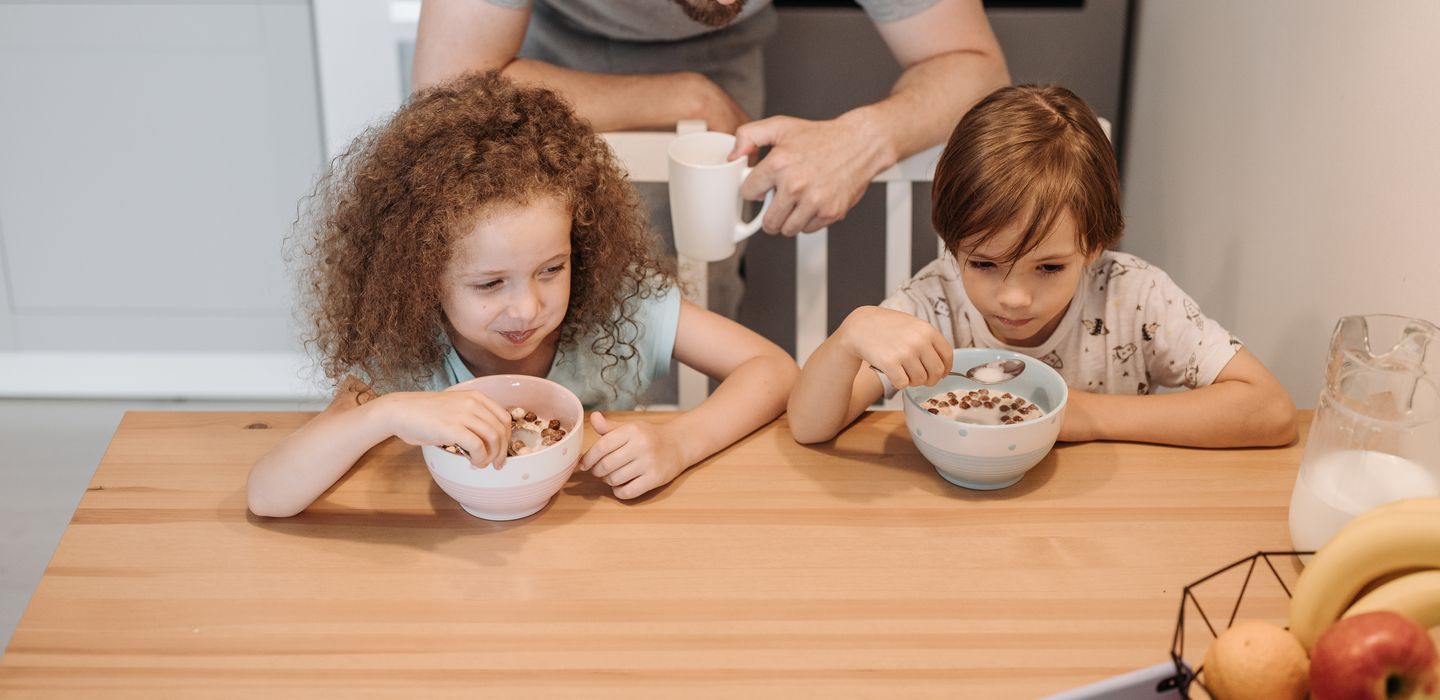
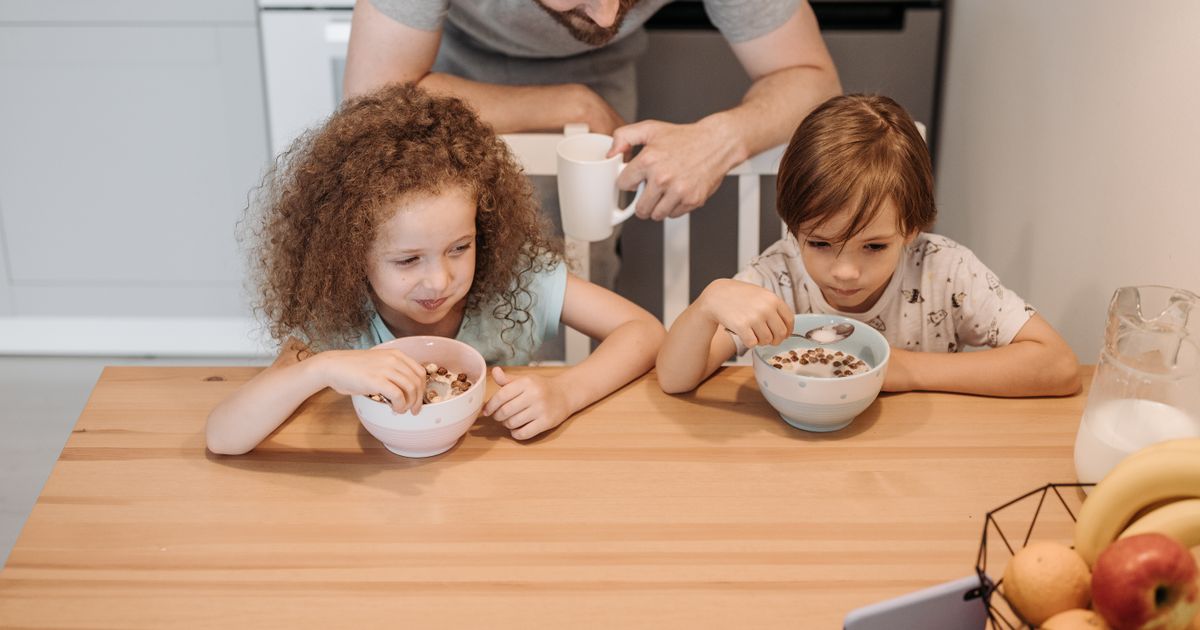
Making breakfast before school, helping with homework, remembering important dates, listening to concerns, and providing encouragement are all forms of meaningful involvement.
A father who consistently shows up is actively shaping his child’s life.
Single dads have everything figured out because men are naturally independent
While some people view single fathers as strong and self-sufficient, this stereotype can also create pressure.
Men are often expected to handle difficulties quietly and avoid asking for help. However, parenting is challenging for everyone, and needing support does not mean someone is failing.
Single dads can experience stress, loneliness, financial pressure, and uncertainty just like any other parent.
Having a support system can make a significant difference. Friends, family members, parenting groups, and community resources can help single fathers manage challenges while maintaining their own wellbeing.
Strength is not about handling everything alone. Sometimes strength means recognising when support is needed.
Single dads are less capable parents than single mums
Perhaps the biggest stereotype is the idea that fathers cannot provide the same level of care and attention as mothers.
Parenting quality is not determined by gender. It is determined by love, consistency, responsibility, and involvement.
Single mothers and single fathers may face different challenges, but both can provide children with strong foundations. Comparing parents based only on gender overlooks the individual qualities that make someone a good caregiver.
A dedicated father who prioritises his child’s wellbeing, creates stability, and provides emotional support is not an exception. He represents the many men who are redefining what fatherhood looks like.
The image of a single dad has changed. He is not simply a man filling a missing role. He is a parent who cooks, comforts, teaches, protects, and guides.
The most important measure of a parent is not whether they fit an old stereotype. It is whether they show up for their children every day.
If you like what you just read, then subscribe to our newsletter and follow us on social media.