

This article was originally published on Crafting Your Home. A human contributor also wrote and edited the post
The parasite behind the outbreak, known as Cyclospora cayetanensis, cannot be seen, smelled, or tasted. Food that carries the parasite may look completely fresh and safe, yet still cause illness, making prevention and awareness especially important.
Health officials are investigating the rising number of cyclosporiasis cases while urging consumers to follow careful food-preparation practices. Although investigators have not identified a single food source responsible for the current outbreak, previous Cyclospora outbreaks have often been connected to fresh produce, including leafy greens, herbs, berries, and other foods commonly eaten raw.
The outbreak serves as a reminder that food safety does not end when groceries leave the store. From farms and processing facilities to kitchens and dinner tables, every step in the food journey can influence whether harmful organisms reach consumers.
The parasite Americans cannot see, smell, or taste.

Unlike spoiled food that often has an unusual smell, discoloration, or visible signs of contamination, Cyclospora presents a different challenge.
The parasite is microscopic, meaning contaminated food can appear perfectly normal.
A fresh-looking salad, a handful of herbs, or a piece of fruit may harbor contamination that consumers cannot detect without laboratory testing.
Cyclospora causes an intestinal infection called cyclosporiasis, which occurs when people consume food or water contaminated with the parasite. Once inside the body, the parasite affects the digestive system and can trigger symptoms that range from uncomfortable to severe.
The parasite’s hidden nature is one reason foodborne outbreaks involving Cyclospora can be difficult to control. Consumers often have no way of knowing which specific food caused their illness until investigators identify a pattern.
Why is this outbreak drawing attention during the summer produce season?
The timing of the outbreak has added another layer of concern.
Summer is when many Americans increase their consumption of fresh foods, including:
- Salads
- Fresh herbs
- Berries
- Raw vegetables
- Produce served at outdoor gatherings.
Warm-weather meals often rely heavily on foods that require little or no cooking, which means proper washing and handling become even more important.
Farmers markets, backyard gatherings, restaurants, and grocery stores all become part of the conversation because fresh produce often moves through several stages before reaching consumers.
The current outbreak highlights the importance of understanding how food travels before it reaches the plate.
How a microscopic parasite can move through America’s food supply chain
The modern food system connects farms, transportation networks, processing facilities, retailers, and households across thousands of miles.
A contamination problem at one stage can affect people far from the original exposure.
This complexity is one reason health investigators often need time to identify the source of foodborne outbreaks.
By the time someone becomes sick, they may have eaten many different foods from multiple locations, making it difficult to determine the exact cause immediately.
The stomach illness that can last far longer than expected
Many people who become infected with Cyclospora initially believe they have ordinary food poisoning or a short-term stomach bug.
However, cyclosporiasis can behave differently.
Common symptoms include:
- Frequent watery diarrhea
- Stomach cramps
- Bloating
- Gas
- Nausea
- Loss of appetite
- Fatigue
- Weight loss in prolonged cases
One of the most frustrating aspects of the illness is that symptoms may improve and then return.
For some patients, the infection becomes a weeks-long disruption that affects work, school, travel plans, and daily routines.
People experiencing persistent diarrhea, dehydration, or severe symptoms should seek medical advice. Healthcare providers can perform testing to confirm Cyclospora infection and recommend treatment when necessary.
Why washing produce helps but does not eliminate every risk
One of the most common misconceptions about food safety is that a quick rinse automatically removes every possible contaminant.
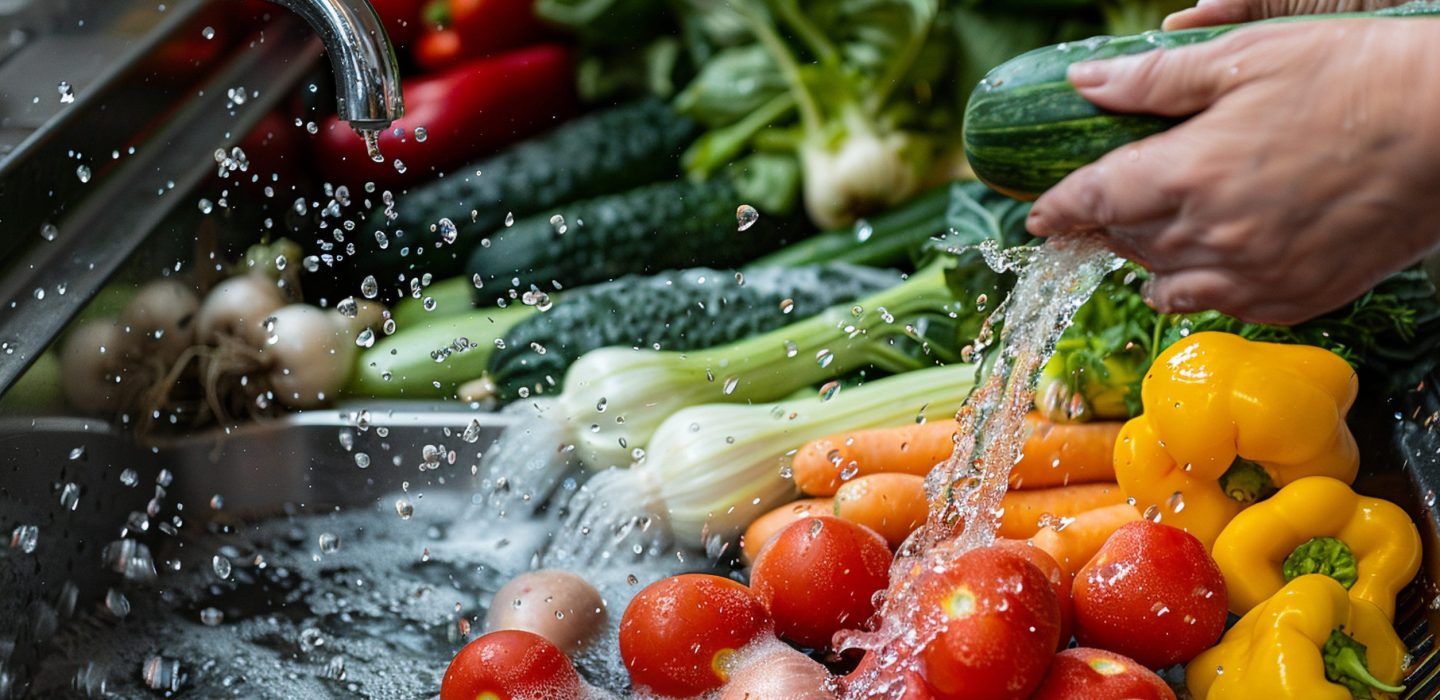
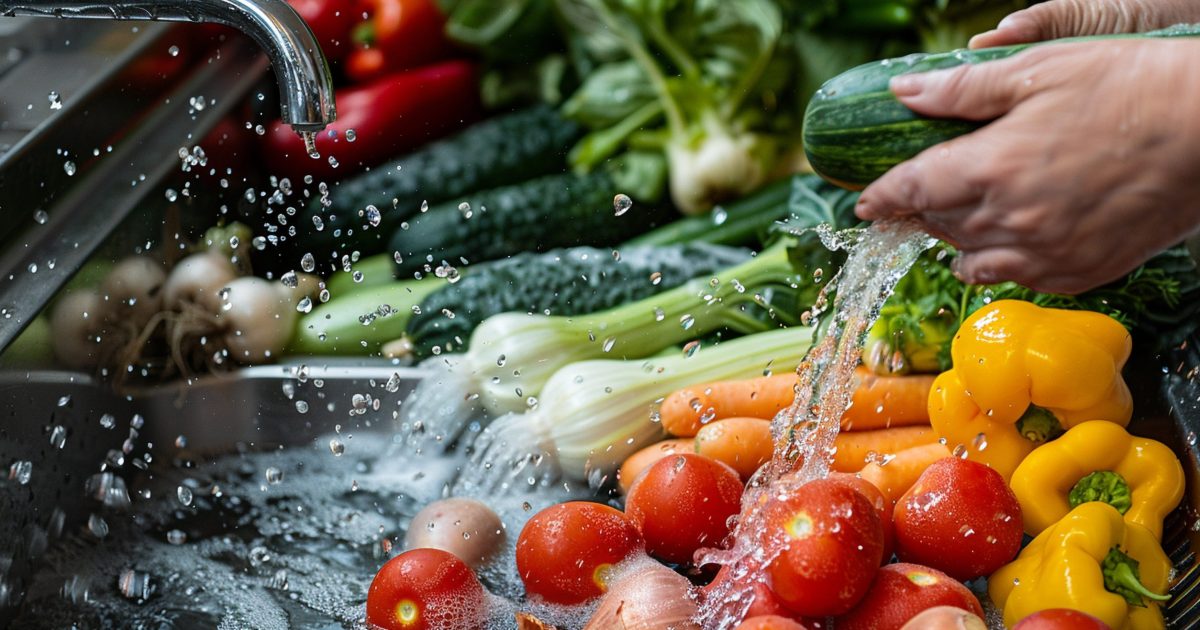
Washing fruits and vegetables under clean running water remains an important safety step, but experts warn that it is not a guaranteed solution for every type of contamination.
Cyclospora exposure may happen before food reaches a consumer’s kitchen. Contamination can occur during growing, harvesting, processing, or transportation.
The safest approach combines several habits:
- Wash hands before preparing food.
- Rinse fresh produce under running water.
- Remove damaged portions of fruits and vegetables.
- Clean cutting boards and utensils
- Prevent cross-contamination
- Store foods properly
- Cook foods when appropriate.
Consumers should avoid using soap, bleach, or household cleaning products on food because these substances are not designed for human consumption.
Foods are often investigated in Cyclospora outbreaks.
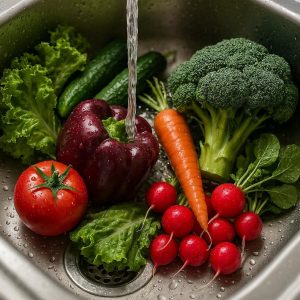
Health officials have linked previous Cyclospora outbreaks to several types of fresh produce.
These have included:
- Leafy greens
- Bagged salads
- Fresh herbs such as cilantro
- Berries
- Snow peas
- Other raw fruits and vegetables
However, officials have not confirmed that a specific product, brand, or supplier caused the current outbreak.
That distinction is important because fresh produce remains a valuable part of a healthy diet. The goal is not to avoid fruits and vegetables, but to prepare them safely.
Why investigators struggle to identify the source quickly
Foodborne outbreaks can be complicated to investigate because of the delay between exposure and illness.
Cyclospora symptoms may not appear immediately. A person may eat contaminated food, feel healthy for days, and only later develop symptoms.
By then, several problems can arise:
- The food may already be gone.
- Packaging may have been discarded.
- The person may not remember everything they ate.
- Multiple foods may have come from different suppliers.
Investigators must compare illness reports, laboratory results, food histories, and supply chain information before identifying possible sources.
This process requires cooperation between health agencies, food producers, retailers, and consumers.
Restaurants and food workers also play a critical role.
Food safety does not depend only on what happens inside homes.
Restaurants, grocery stores, cafeterias, and other food service operations also play an important role in preventing contamination.
Proper procedures include:
- Cleaning preparation surfaces
- Washing hands regularly
- Storing ingredients correctly
- Following supplier safety guidelines
- Separating ready-to-eat foods from potential contaminants
Because many people consume salads, herbs, and fresh produce outside their homes, professional food handling remains an important part of outbreak prevention.
Who faces the greatest risk from serious illness?

While many healthy adults recover with appropriate care, some groups face a higher risk of complications.
Those groups include:
- Older adults
- Young children
- Pregnant individuals
- People with weakened immune systems
- People with certain chronic conditions
For vulnerable individuals, prolonged diarrhea can create serious concerns because dehydration and loss of important fluids can develop quickly.
The bigger lesson behind the Cyclospora outbreak
The current outbreak is about more than a stomach infection.
It reveals how connected the modern food system has become and how a microscopic organism can create a public health challenge across multiple states.
A problem that begins in one part of the food supply chain can eventually reach kitchens hundreds or thousands of miles away.
The best protection remains awareness and preparation: clean hands, careful food handling, properly washed produce, and attention to public health updates.
As investigators continue searching for the source of the outbreak, one message remains clear: food can look perfectly safe while still requiring careful handling.
If you like what you just read, then subscribe to our newsletter and follow us on social media.


