


Nuts have long been cherished for their health benefits and delectable flavors. These tiny powerhouses are packed with nutrients and offer a variety of health advantages, from improving heart health to promoting longevity. Whether you’re looking for a quick snack or a nutritious addition to your meals, nuts are versatile and delicious.
In this comprehensive guide, we’ll explore the best nuts to eat, ranked based on their nutritional benefits, taste, and overall popularity. From the well-known almonds and walnuts to the lesser-known macadamia and hazelnut, we’ll cover the top picks that will not only satisfy your taste buds but also contribute to a healthier lifestyle.
Why Should You Add Nuts to Your Diet?
Nuts are more than just a tasty snack; they provide a wealth of nutrients that are essential for your body’s optimal functioning. But what makes nuts so great? Let’s dive into some key reasons why you should consider adding more nuts to your daily routine:
- Heart Health: Many nuts, such as almonds and walnuts, are rich in unsaturated fats that can help lower bad cholesterol levels and promote heart health.
- Weight Management: Despite their high-calorie content, nuts can actually help with weight management. Their high protein and fiber content keeps you full longer, reducing the likelihood of overeating.
- Rich in Antioxidants: Walnuts, for example, contain antioxidants that combat oxidative stress in the body, lowering the risk of chronic diseases.
- Brain Power: Nuts like walnuts are rich in omega-3 fatty acids, which are vital for brain function and mental clarity.
Now, let’s take a closer look at some of the best nuts to include in your diet.
Almonds

Almonds are undoubtedly one of the most popular nuts worldwide, and for good reason. With their high vitamin E content, almonds support healthy skin, reduce inflammation, and enhance immune function. But their benefits don’t stop there!
Nutritional Breakdown of Almonds
Almonds are a powerhouse of nutrients. A single ounce (about 23 almonds) provides:
- 160 calories
- 6 grams of protein
- 14 grams of healthy fats
- 3.5 grams of fiber
- 37% of your daily recommended intake of vitamin E
Almonds are also great for heart health. Their monounsaturated fats can help lower LDL cholesterol levels while increasing HDL cholesterol, the “good” cholesterol. Regular consumption of almonds may also reduce the risk of developing type 2 diabetes by improving blood sugar levels.
Walnuts
When it comes to brain health, walnuts take the lead. These nuts are a rich source of omega-3 fatty acids, which are essential for cognitive function and can even improve memory.
Nutritional Breakdown of Walnuts
A 1-ounce serving of walnuts contains:
- 185 calories
- 4.3 grams of protein
- 18.5 grams of fat (including 2.5 grams of omega-3s)
- 2 grams of fiber
Besides their brain benefits, walnuts are also heart-healthy. Their antioxidant-rich composition helps reduce inflammation and lower blood pressure, further protecting cardiovascular health.
Pistachios
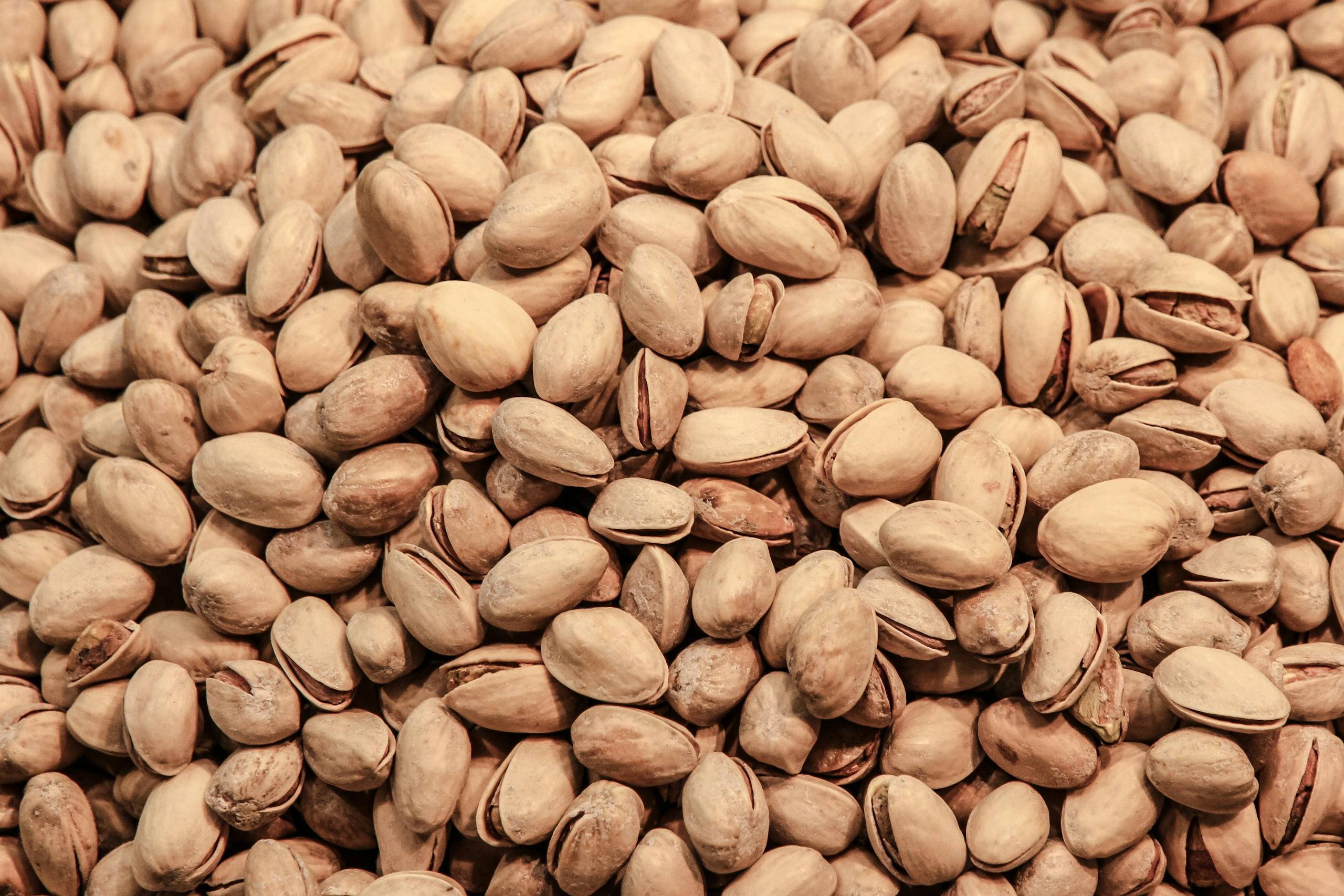
Pistachios are a unique nut that stands out due to their vibrant green color and distinct flavor. Packed with fiber, antioxidants, and protein, pistachios are not only a great snack but also a powerful addition to your diet.
Nutritional Breakdown of Pistachios
One ounce (about 49 pistachios) contains:
- 160 calories
- 6 grams of protein
- 13 grams of fat (mostly monounsaturated)
- 3 grams of fiber
Pistachios are also rich in antioxidants, which help protect