

The post 13 Famous Movie Lines Almost Everyone Gets Wrong first appeared on Crafting Your Home.
From Darth Vader’s “No” to the one-word change that alters Jaws, these classic quotes are not quite what pop culture remembers.
Some movie lines become so famous that they escape their original scenes entirely. They get repeated at parties, worked into jokes, spoofed on television, and passed down by people who may never have seen the film in question.
There’s just one problem: sometimes the version everyone remembers isn’t the version the actors actually said. A changed pronoun here or an added name there can become more familiar than the real dialogue. In other cases, an iconic “quote” never appears in the movie at all.
Here are 13 famous movie lines that pop culture has been quietly rewriting for years.
Casablanca: “Play it again, Sam.”
This may be the granddaddy of movie misquotes. Nobody in Casablanca actually says, “Play it again, Sam.”
Ilsa’s line is: “Play it, Sam. Play ‘As Time Goes By.’” Rick later tells Sam, “You played it for her, you can play it for me.”
So where did the familiar version get extra staying power? Woody Allen’s Play It Again, Sam, both the 1972 play and 1972 film, helped cement wording that was never spoken in the 1942 classic.
The Empire Strikes Back: “Luke, I am your father.”
You can practically hear Darth Vader’s breathing as soon as somebody says this one. Unfortunately, the famous version adds a word that isn’t there.
Vader actually tells Luke, “No, I am your father.”
The altered version makes plenty of sense outside the movie: adding “Luke” immediately tells listeners who and what you’re imitating. As actual dialogue, though, it’s wrong.
The Wizard of Oz: “Toto, I don’t think we’re in Kansas anymore.”
Dorothy definitely recognizes that her surroundings have changed. She just doesn’t phrase the realization the way people commonly repeat it.
The line is: “Toto, I’ve a feeling we’re not in Kansas anymore.”
That’s more than a tiny edit. The familiar version changes the entire opening construction while keeping the memorable Kansas reference intact.
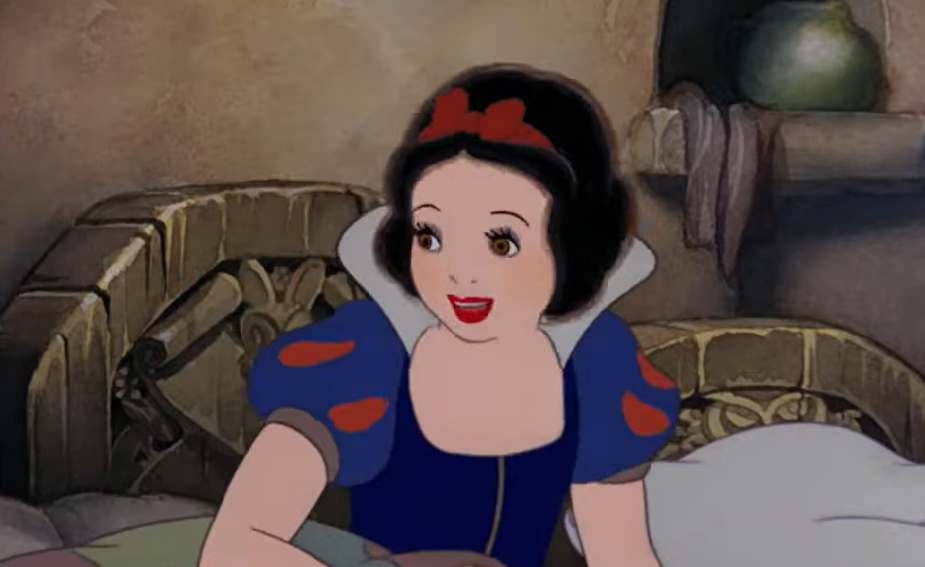
Snow White and the Seven Dwarfs: “Mirror, mirror on the wall…”
The Evil Queen’s famous question is often remembered as, “Mirror, mirror on the wall, who is the fairest of them all?”
Disney’s 1937 film uses different wording: “Magic Mirror on the wall, who is the fairest one of all?”
“Mirror, mirror” resembles wording found elsewhere in the broader Snow White tradition, which helps explain why it feels so natural. It simply isn’t the phrasing used in this film.
Related: 10 Amazing Movies About Being Single
Jaws: “We’re gonna need a bigger boat.”
One small pronoun has rewritten one of cinema’s most recognizable lines.
After Chief Brody gets his close-up look at the shark, he says, “You’re gonna need a bigger boat.”
Not “we’re.” “You’re.” It’s a minuscule difference, but that is exactly what makes this misquote so easy to miss.
Field of Dreams: “If you build it, they will come.”
The mysterious voice in the cornfield does not promise that “they” will arrive.
It says, “If you build it, he will come.”
That singular pronoun matters to the film’s emotional story, even though the plural version has become an incredibly convenient phrase to borrow whenever someone is talking about attracting an audience.
Dirty Harry: “Do you feel lucky, punk?”
Clint Eastwood’s Harry Callahan gets close to this sentiment, but the familiar one-liner compresses and rearranges a longer piece of dialogue.
The actual passage includes: “You’ve got to ask yourself one question: ‘Do I feel lucky?’ Well, do ya, punk?”
The popular version changes “I” to “you” and blends the setup with the final challenge. It’s snappier, perhaps, but it isn’t what Harry says.
Related: 12 Stars Who Turned Down Iconic Movie Roles
The Graduate: “Mrs. Robinson, are you trying to seduce me?”
Benjamin Braddock sounds slightly less uncertain in the real line than decades of quotation would suggest.
He says, “Mrs. Robinson, you’re trying to seduce me. Aren’t you?”
That shift matters to the comedy of the moment. Instead of simply asking a tentative question, Benjamin is awkwardly realizing what is happening and then seeking confirmation.
Apollo 13: “Houston, we have a problem.”
As a general expression for “something has gone wrong,” the present-tense version is everywhere.
In the 1995 film, however, the line is: “Houston, we’ve had a problem.”
The distinction here applies specifically to the movie. The real Apollo 13 mission involved radio exchanges with wording of their own, so the film quote shouldn’t be treated as a literal transcription of history.
King Kong: “‘Twas beauty that killed the beast.”
The familiar quotation keeps the basic idea but loses the unusual wording and surrounding context.
At the end of the 1933 film, after a police lieutenant credits the airplanes with bringing Kong down, the response is: “Oh, no, it wasn’t the airplanes. It was Beauty killed the Beast.”
Yes, that grammar is part of the line. Tidying it up would only create another misquote.
The Silence of the Lambs: “Hello, Clarice.”
Few greetings feel more instantly sinister in pop culture. There’s just one catch: Hannibal Lecter never says that exact phrase in The Silence of the Lambs.
When Clarice first visits him, he says, “Good morning.” At another point, he says, “Good evening, Clarice.”
Somehow, repeated references turned “Hello, Clarice” into the line everyone expects to hear.
Dracula: “I want to suck your blood.”
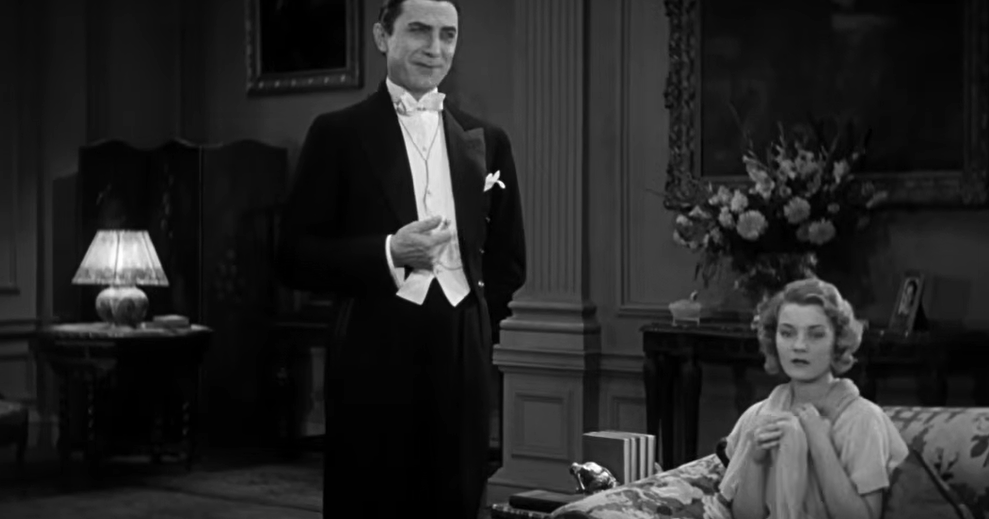
This isn’t merely a slightly mangled quotation. In the 1931 Dracula starring Bela Lugosi, Dracula never says, “I want to suck your blood.”
The sentence became strongly associated with the character, even though it wasn’t dialogue from that film. It’s a perfect example of pop culture creating a quote that feels more authentic than the actual script.
All About Eve: “Fasten your seatbelts, it’s going to be a bumpy ride.”
Bette Davis’s Margo Channing does tell everyone to fasten their seatbelts. The destination, however, isn’t a metaphorical ride.
Her line is: “Fasten your seatbelts, it’s going to be a bumpy night.”
Changing one word transforms a specific warning about the evening ahead into the more general expression people have been repeating ever since. And that may be the best explanation for movie misquotes in general: once a slightly altered version becomes easier to reuse, pop culture has a way of remembering the rewrite.
Other Posts You Might Like
- 11 Movies That Were Banned in Other Countries — and Why
- 10 Movies That Feel Morally Wrong to Watch
- 10 Movies Turning 50 in 2026 That Still Hold Up
If you like what you just read, then subscribe to our newsletter and follow us on social media.


