



The post 12 Things Every 1970s Kid Got in Trouble For first appeared on Crafting Your Home.
Growing up in the 1970s was hardly the same experience for every American child. Rules varied by family, school, neighborhood, region, religion, race, and class. Still, plenty of people remember a familiar collection of everyday offenses: staying out too late, tying up the family phone, talking back, or leaving a bike where it didn’t belong. The details differed, but these 12 trouble spots capture some recognizable parts of the decade.
Staying Out After the Streetlights Came On
“Be home when the streetlights come on” became a lasting shorthand for the independent, neighborhood-centered childhood many Americans associate with the era.
For kids whose families used that rule, the lights flicking on meant playtime was over. Staying out anyway could turn an ordinary evening into an uncomfortable conversation at home. It wasn’t a universal curfew, but it remains one of the decade’s most recognizable childhood memories.
Going Somewhere Without Telling Anyone
You couldn’t send a quick text to explain that you had moved from one friend’s house to another.
Before mobile phones, parents generally depended on landlines, neighbors, school contacts, and face-to-face check-ins. That made instructions such as “tell me where you’re going” or “don’t leave the block” especially important. A kid who disappeared without saying anything could expect to explain later.
Related: 8 Signs You Were a Latchkey Kid
Talking Back to a Parent or Other Adult
Respect for adults was a common expectation in many homes, although what counted as “talking back” depended very much on the family.
The broader disciplinary culture also differed. Physical punishment remained legally permitted in many American homes and schools during the decade. In 1977, the Supreme Court ruled in Ingraham v. Wright that the Eighth Amendment’s prohibition on cruel and unusual punishment did not apply to school corporal punishment, leaving the practice largely to state law. That history should not be mistaken for something every family experienced.
Slamming the Screen Door
Sometimes the offense was much smaller: one loud bang as you raced outside.
In homes with screen or storm doors, parents could object to the noise as well as the wear on springs or frames. No national data shows that screen-door slamming was a defining rule of the decade, but as a household memory, it certainly fits the category of things a kid might hear about repeatedly.
Leaving Your Bike in the Yard or Driveway
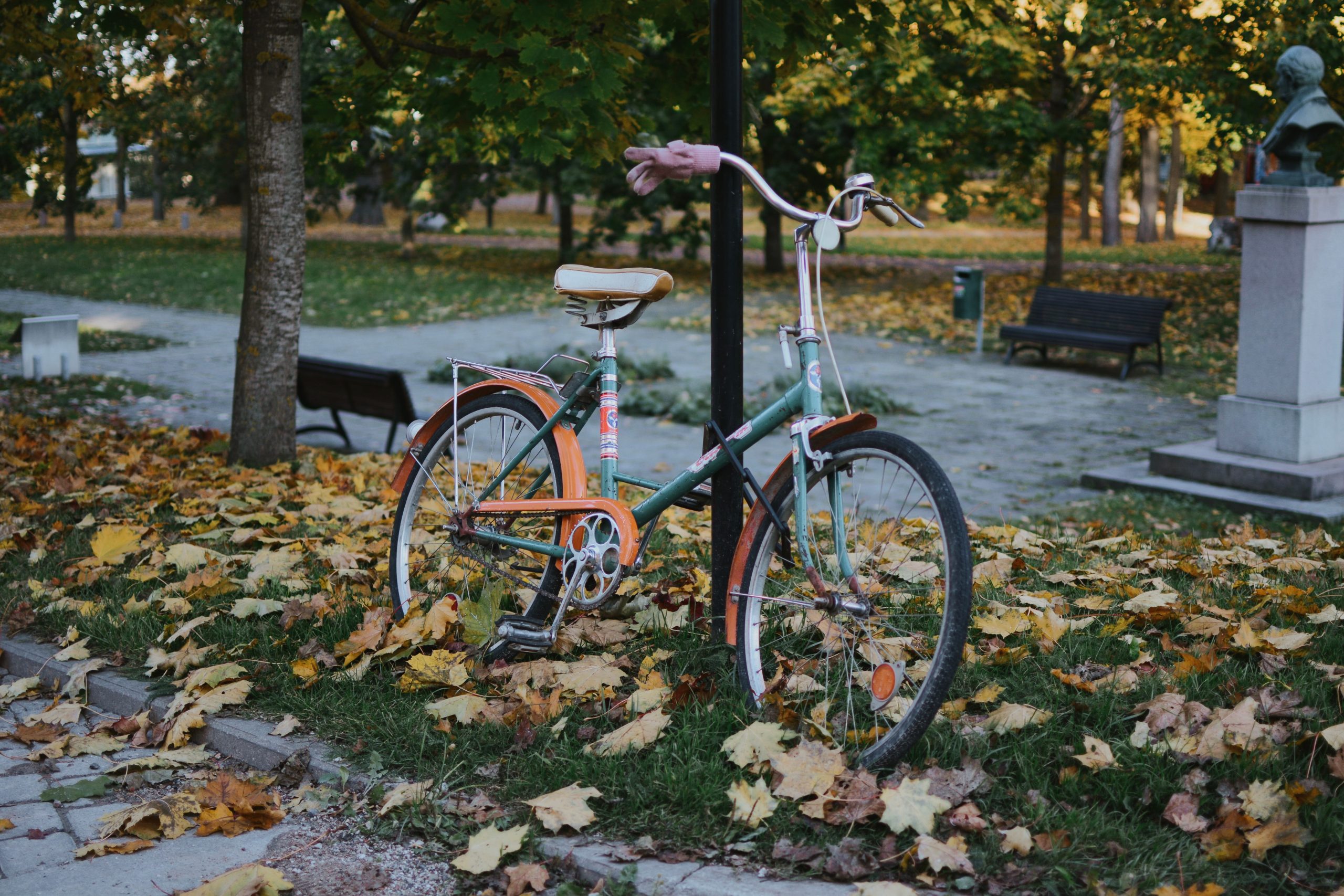
Bicycles were an important part of independent play and transportation for many children.
That also meant parents had to deal with bikes abandoned across driveways, walkways, or yards. Putting the bike away could be one of those simple household responsibilities that became a much bigger issue after the third reminder.
Tying Up the Family Phone
One long conversation could inconvenience the whole house.
A home telephone was usually fixed in one place and shared by the family, so monopolizing the line mattered in a way that can seem strange in the smartphone era. Some communities still had party-line service, meaning more than one household could share a telephone line, although that arrangement was far from universal.
For a talkative teenager, “Get off the phone!” could therefore carry real urgency.
Changing the TV Channel Without Asking
Television was far more appointment-based than it is today. Programs aired at scheduled times, and one household set could become a small battleground over what everyone would watch.
Remote controls existed, but they were not yet a universal household feature. In many homes, changing the channel still meant walking over to the television and turning a dial. Doing that in the middle of somebody else’s program was a fine way to see exactly how invested they were.
Chewing Gum in Class
Some teachers wanted gum nowhere near their classrooms.
Some treated it as a distraction, a cleanliness problem, or a threat to desks and other school property. The rule was not nationally standardized, so this is best understood as the kind of classroom prohibition many students encountered rather than a universal 1970s policy.
Fighting at School
Fighting, disruption, and disobeying teachers were ordinary reasons for school discipline.
The 1970s also brought important changes in students’ legal protections. In Goss v. Lopez (1975), the Supreme Court ruled that public-school students facing suspension had due-process protections under the Fourteenth Amendment. In other words, school discipline remained serious business, but public schools also had legal obligations when imposing suspensions.
Refusing Dinner or Wasting Food
“Clean your plate” was already a familiar parenting expectation long before the 1970s, shaped partly by older ideas about thrift, scarcity, and respect for food.
In homes that followed that approach, rejecting dinner or wasting what had been served could bring a lecture. But this was an inherited household custom, not something invented by the 1970s, and plenty of families handled meals differently.
Playing Too Close to the Road
Outdoor freedom still came with boundaries, and roads were an obvious one.
Traffic danger was substantial: more than 52,000 people died in U.S. traffic crashes in 1970, according to NHTSA. Parents therefore had plenty of reason to make roads one of the places they told children to avoid while playing.
Interestingly, car rules themselves looked very different. Seat belts were already being installed in new passenger cars, but statewide belt-use laws did not begin until New York enacted the first one in 1984. State child-restraint laws were adopted between 1978 and 1985, so riding without buckling up should not be portrayed as something 1970s children were routinely punished for.
Fooling Around With Lawn Darts After Being Told Not To
Lawn darts, often sold as Jarts, were a real outdoor toy during the 1970s. They later became the subject of federal action, with the Consumer Product Safety Commission banning their sale in 1988.
That does not mean parents everywhere punished children simply for playing with them. A more accurate version of the memory is familiar in almost any decade: being told where or how something could be used, ignoring the instruction, and discovering that the real offense was not the toy; it was refusing to listen.
That distinction applies to the whole list. No single rulebook governed childhood in the 1970s. But from streetlight curfews and shared telephones to school rules and bicycles left in the driveway, many families had everyday boundaries children learned not to test too often.
Related: 7 Items Commonly Sold in the ’80s That Are Now Banned or Restricted
Other Posts You Might Like
-
10 Things Kids in the 1970s Did on Halloween That Would Shock Parents Today
-
15 Things Every Baby Boomer Kid Did That Would Baffle Kids Today
If you like what you just read, then subscribe to our newsletter and follow us on social media.


