



The post 15 Things Every Baby Boomer Kid Did That Would Baffle Kids Today first appeared on Crafting Your Home.
Growing up before smartphones, streaming, and instant online searches meant everyday life worked differently for many Baby Boomers.
From waiting for a favorite song on the radio to using paper maps on family trips, many childhood routines depended on physical objects, scheduled entertainment, and more face-to-face interaction. But there was no single “boomer childhood” experience.
Baby Boomers are generally defined as people born from 1946 to 1964, meaning someone born in 1946 could have had a very different childhood from someone born in 1964. Family income, location, community, and household circumstances all shaped what childhood looked like.
Here are 15 everyday experiences that many people from that era may remember, along with the history behind them.
They Stayed Outside Until the Streetlights Came On
For many children growing up in the 1950s, 1960s, and 1970s, neighborhood play often happened outdoors without mobile phones, internet access, or location-sharing technology.
Many children walked, biked, and played outside for long stretches of time. The difference was not that parents never worried, but that childhood routines often involved more independence from digital supervision. This experience varied greatly depending on neighborhood, family circumstances, and where children lived.
They Used Rotary Phones Instead of Touch Screens
Making a phone call once required a physical process. Rotary phones worked by placing a finger into the numbered dial, turning it to the stop, and waiting for the dial to return before entering the next number.
A wrong number could mean starting the process again. For children used to tapping a name on a smartphone today, the patience required for a rotary phone feels like a completely different world.
They Shared One Household Phone
Many families had a single phone attached to a wall or placed on a table instead of carrying one in a pocket.
In some communities, especially rural areas, households used party lines. These shared telephone systems meant multiple subscribers used the same line, which could require waiting until the line was free and sometimes meant conversations could be overheard. Party lines were not universal, but they were part of life in some areas.
They Watched Television on a Schedule
Television became a major household feature during the boomer years. Census data shows that TV ownership rose from 9% of U.S. households in 1950 to 65% in 1960, reaching about 95.5% in 1970.
Unlike today’s endless streaming choices, many families watched scheduled broadcasts and gathered around one shared television set. The number of available channels depended on location, reception, and changing technology, so not every household had the same viewing options.
They Were the Remote Control Before Remotes Took Over
Before remote controls became common household items, changing the channel meant walking to the television and turning a dial.
That often created the classic family moment of sending the person closest to the TV to adjust the channel. Early remote systems existed before they became widespread, so the experience wasn’t that remotes never existed; they simply weren’t the everyday standard yet.
They Waited for Songs to Play on the Radio
Music discovery often depended on AM/FM radio, records, and later cassette tapes.
If someone wanted to hear a favorite song, they might wait for it to appear during a radio broadcast. Some listeners recorded songs onto cassette tapes, sometimes capturing the DJ’s voice before or after the track. It was a much less instant experience than today’s playlists and streaming services.
Related: 5 Reasons Boomers Were Totally Right About Music
They Played Music From Physical Records
Many boomers grew up with vinyl records as part of their music experience.
Listening to an album meant placing a record on a turntable, lowering the stylus, and turning the record over when one side finished. Albums were physical items with cover art, liner notes, and a set track order. Radio remained important too, especially as cassette tapes later became more common.
They Researched Using Books Instead of Search Engines
Before online searches, students relied on printed resources such as encyclopedias, dictionaries, atlases, newspapers, and library card catalogs.
Research meant finding the right book, volume, or index rather than typing a question into a search bar. Public and school libraries were especially important resources for families who did not own large reference collections.
They Took Photos Without Instant Previews
Traditional film cameras required patience. After taking pictures, people usually had to wait for film processing before seeing the results.
That meant photographers sometimes discovered later that a picture was blurry, poorly framed, or otherwise different from what they expected. Instant cameras existed, but conventional film photography did not offer immediate previews.
They Used Paper Maps Instead of GPS
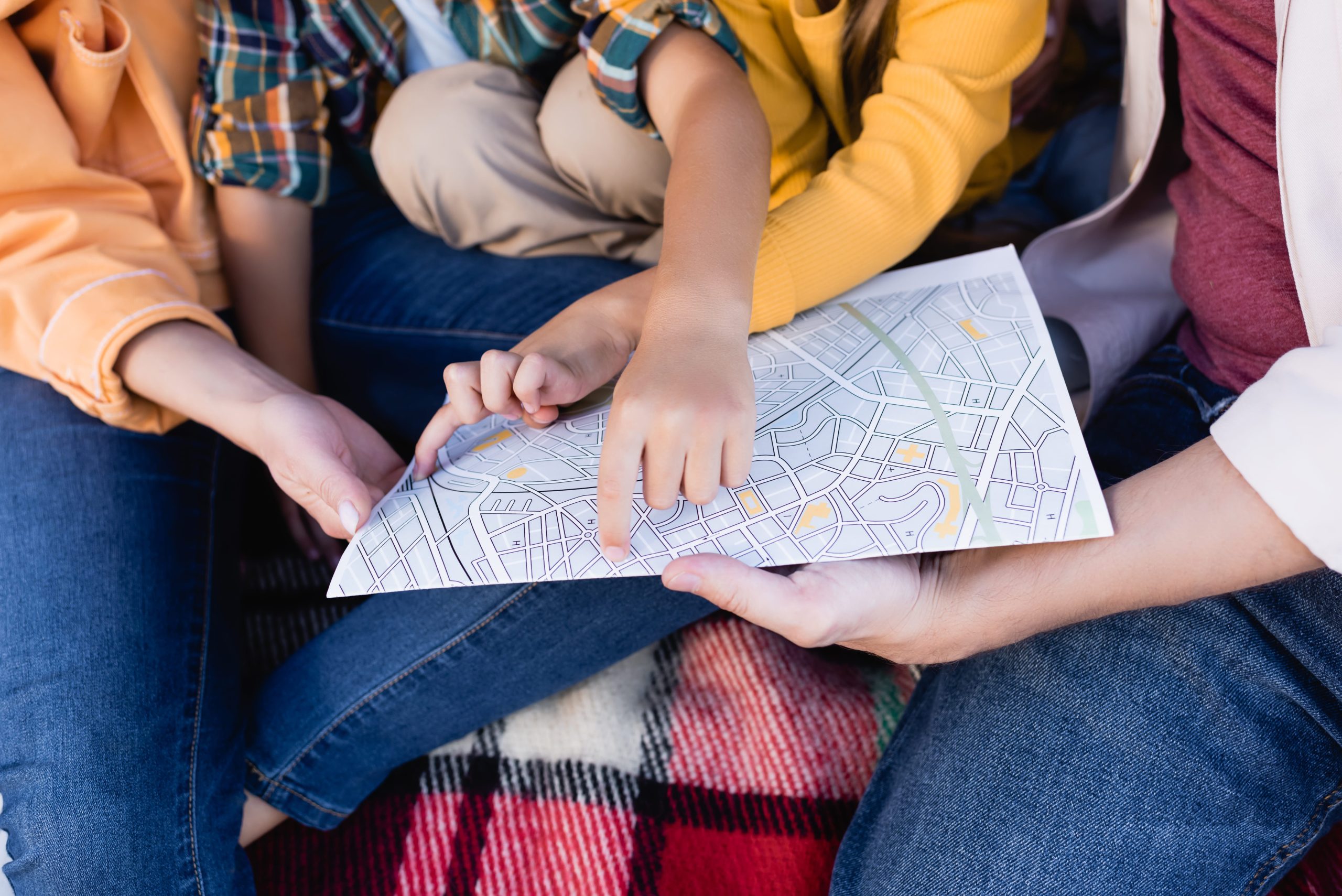
Family road trips often involved road atlases, foldout maps, printed directions, signs, and asking for help along the way.
Without smartphone navigation, planning a route required more preparation before leaving home. This experience was especially familiar for older boomers and adults, depending on their age at the time.
Related: 9 Everyday Items That Could Face Extinction by 2030
They Went to Drive-In Movie Theaters
Drive-in theaters became a major postwar entertainment option for many American families.
Instead of sitting inside a traditional theater, viewers watched movies from parked cars, with sound historically delivered through speakers attached near the vehicle. Access depended on whether a local drive-in existed and whether families had transportation and the ability to attend.
They Grew Up Before Today’s Seat-Belt Culture
Car safety expectations changed significantly during the boomer years.
According to NHTSA, new passenger cars began receiving lap belts in 1964, shoulder belts in 1968, and integrated lap-and-shoulder belts in 1974. Nationwide seat belt use remained around 10%–15% until the early 1980s.
Many children grew up during a period when vehicle safety practices were less developed and less consistently followed than today. These changes reflect evolving safety standards, not that earlier practices were better.
They Rode in Station Wagons’ “Way Back”
Station wagons with rear-facing cargo-area seats, sometimes called the “way back,” were a familiar feature in many family vehicles.
Some children also rode in pickup beds or open cargo areas in places where those practices were more socially accepted. These experiences varied by family and location and should be viewed as part of a different safety era rather than a recommendation for today.
They Lived in Homes With Older Building Materials
Many boomer children lived in older homes where lead-based paint was common.
The federal government banned consumer lead paint for residential use in 1978, and the EPA notes that many homes built before that year still contain some lead-based paint. However, living in an older home does not mean every child was exposed or harmed.
They Encountered Smoking in More Everyday Places
Cigarette smoke was much more visible in many mid-20th-century public and household environments, including some restaurants, workplaces, transportation spaces, and homes.
Over time, smoke-free rules and social attitudes changed unevenly across states and locations. The difference reflects changing regulations and public expectations over several decades.
A Childhood Era Defined by Change
Many boomer childhood memories come from a period when technology, entertainment, transportation, and family routines looked very different. However, these experiences were never identical for everyone in the generation.
From party-line phones to paper maps, these everyday routines show how quickly life has changed between the pre-digital era and today. The biggest lesson is not that one era was better than another, but that the tools, habits, and expectations of childhood have transformed dramatically over time.
Other Posts You Might Like
- 8 Common Baby Boomer Myths That Miss the Bigger Picture
- Things Baby Boomers Should Never Feel Sorry About
- 12 Life Lessons Many Baby Boomers Wish They Had Learned Earlier
If you like what you just read, then subscribe to our newsletter and follow us on social media.


