Ask a Baby Boomer about childhood, and you may hear stories that sound almost impossible to today’s children.
For many Boomers, childhood meant playing outside for hours without a smartphone nearby, waiting days for photos to be developed, watching television only when a favorite show was scheduled, and finding answers in books instead of search engines.
The Baby Boomer generation, generally defined as people born between 1946 and 1964, grew up during a time of rapid social and technological change. They grew up before smartphones, streaming services, GPS, social media, and many of the conveniences modern families now consider normal.
Their lives weren’t necessarily easier, and some past routines wouldn’t meet today’s safety expectations. But their childhood experiences were certainly different often more independent, more hands-on, and much less connected to technology.
Here are 15 things many Baby Boomer kids did that might leave today’s children wondering how anyone managed without modern conveniences.
Stayed outside until the streetlights came on.
Image credit: Валерий Линк/pexels
For many Boomer kids, the rule was simple: be home when the streetlights came on.
Parents often did not know their children’s exact location every moment of the day. Kids rode bicycles, played sports, explored neighborhoods, built forts, and visited friends until it was time to head home.
No location trackers or constant check-in messages. Children learned to manage their time, solve problems, and navigate their surroundings independently.
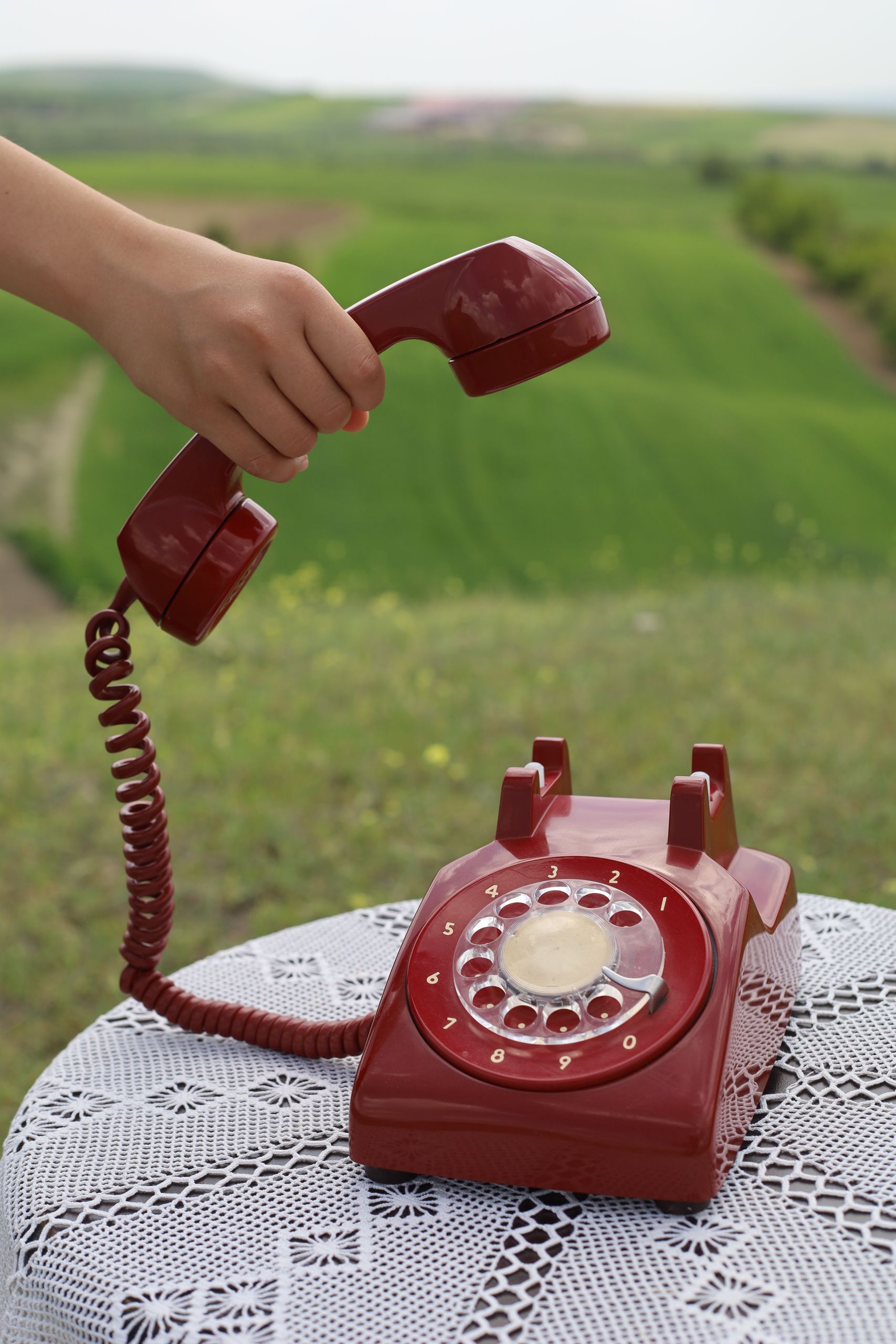
Used a rotary phone to call friends.
Making a phone call once required patience.
Children had to pick up a rotary phone, place a finger into the correct hole, turn the dial, and wait for it to return before entering the next number. Memorizing phone numbers was necessary because devices didn’t save contacts.
If a friend’s parent answered, children had to ask to speak to their friend politely.
For kids used to tapping a screen, the process sounds almost ancient.
Shared one household phone.
Image credit: syd.trgt/pexels
Many families had one telephone for everyone.
The phone might sit in the kitchen, hallway, or living room, meaning private conversations were difficult. Parents knew when the phone was being used, siblings could interrupt calls, and everyone had to share access.
The idea of every family member having a personal phone would have seemed unnecessary and futuristic.
Used encyclopedias for homework.
Before online searches, research often began with a set of encyclopedias.
Children searched through alphabetical volumes to find information about history, science, geography, and famous people. If the answer was not available at home, they went to the library.
There were no instant search results, no online summaries, and no quick way to confirm information. Research required patience and effort.
Watched television according to a schedule.
Image credit: Anna Shvets/pexels
Boomer children did not have thousands of shows available at any moment.
They watched programs when networks broadcast them. If they missed a favorite episode, they often had to wait for a rerun.
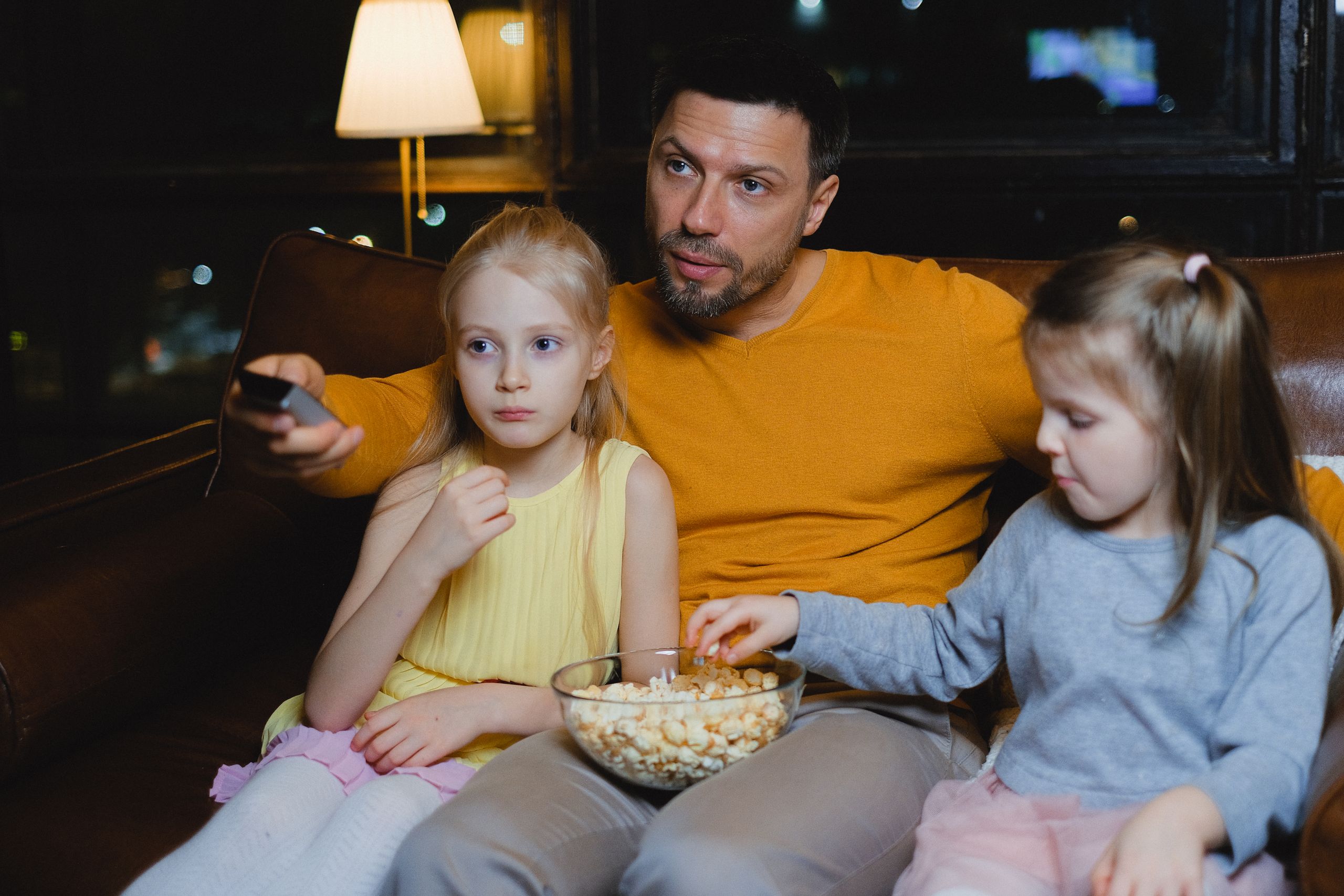
Television was also usually a shared family activity because many homes had only one television set.
Changed the channel manually.
Remote controls were not always common, so someone had to walk to the television to change channels.
Children often became the household “remote control,” being asked to switch channels, adjust the antenna, or fix the picture.
Today’s children may struggle to imagine standing up to change a program.
Listened to music from records and tapes.
Image credit: cottonbro studio/pexels
Music required a more hands-on experience.
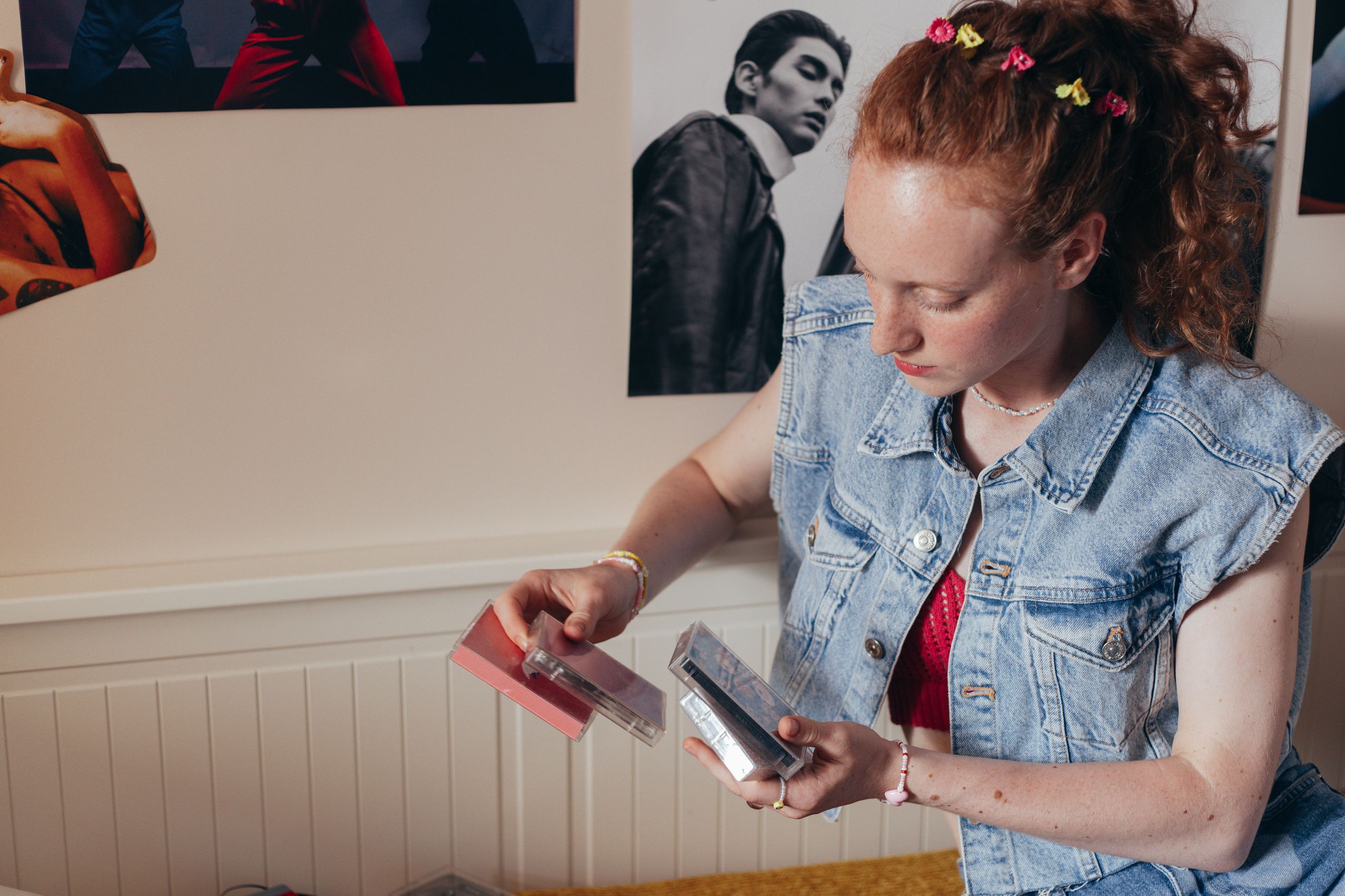
Boomer kids played vinyl records, listened to radio stations, and later used cassette tapes. They had to handle records carefully, rewind tapes, and accept that listening to an album usually meant hearing songs in the order they appeared.
No playlists, streaming libraries, or instant downloads existed.
Took pictures without seeing them immediately.
Photography involved waiting.
Film cameras allowed only a limited number of pictures, and families had to have the film developed before seeing the results.
A blurry photo, closed eyes, or poor lighting could not be fixed with a simple delete button.
Wrote letters instead of sending instant messages.
Image credit: Tima Miroshnichenko/pexels
Communication over long distances required time.
Children wrote letters to relatives, friends, and pen pals, then waited days or weeks for a response.
A handwritten letter required thought and effort, making it feel especially personal.
Passengers studied routes, marked destinations, and sometimes stopped to ask strangers for help when they got lost.
Navigation was a skill people learned because no digital voice guided every turn.
Drank from the garden hose.
On hot summer days, many children grabbed the nearest garden hose for a drink.
The water might have been warm at first, and the taste wasn’t always perfect, but it was a common childhood experience.
Today, many children are more likely to reach for a reusable water bottle instead.
Traveled in cars without today’s safety features.
Car travel looked very different decades ago.
Some children rode without modern child restraints, used the front seat at younger ages, or moved freely around the back seat.
While these memories are often told nostalgically, modern safety standards exist because research has shown better ways to protect children during crashes.
Played on much less protective playgrounds.
Older playgrounds often featured tall metal equipment, hard surfaces, and designs that would make many modern parents uncomfortable.
Children climbed, swung, jumped, and sometimes came home with scraped knees.
Today’s playgrounds generally emphasize injury prevention and safer designs.
Walked to nearby stores alone.
Many children were trusted to walk to a neighborhood store to buy small items.
They carried money, completed the errand, and returned home without a parent following along or tracking their location.
That level of independence was a normal part of childhood in many communities.
Treated Saturday morning cartoons as a weekly tradition.
Cartoons aired at specific times, and kids woke up early so they would not miss them. There were no endless streaming options or video libraries available whenever they wanted.
When the cartoons ended, children usually found other ways to spend the day.