

The post Crows Remember Human Faces for Years, Scientists Found first appeared on Crafting Your Home.
The crow reacting to a familiar face may never have encountered that person before. It could have learned what to expect by watching other crows.
That is one of the striking findings from University of Washington research led by wildlife scientist John Marzluff and colleagues. Their experiments showed that American crows can associate particular human faces with past experiences, remember those associations for years, and spread a response through their social groups.
For readers watching wildlife around home, the findings offer a different way to think about a crow’s attention. Its reaction may involve more than what is happening at that moment.
Here are 11 details that explain what researchers found, and what the evidence does not establish.
They Can Distinguish Particular Human Faces
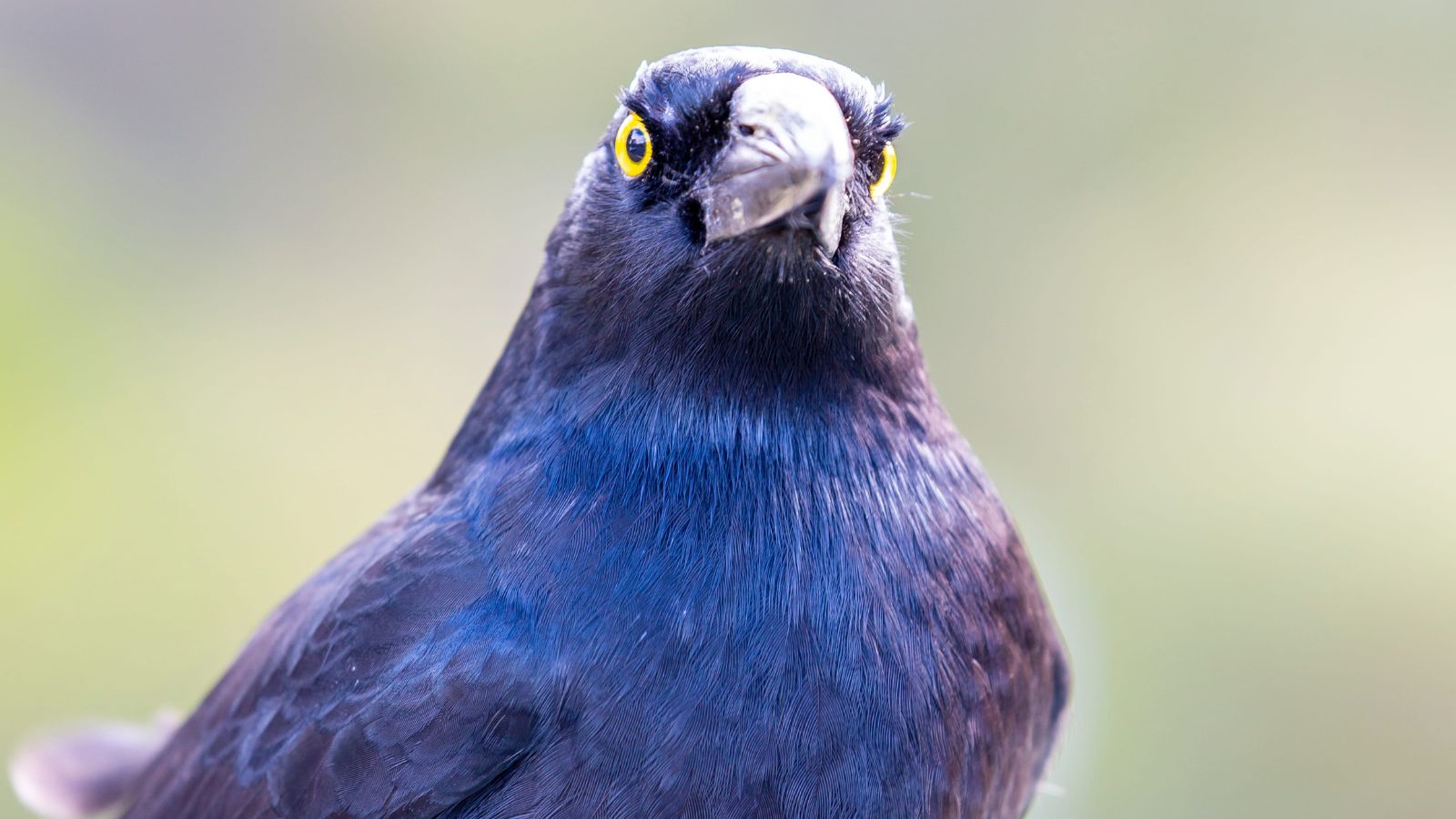
Researchers used realistic masks to investigate whether crows could identify a face associated with capture.
The birds responded to that mask even when different people wore it. That helped separate the face from other possible cues, such as clothing, body shape, or the identity of the person underneath. The response followed the familiar facial appearance rather than just one researcher.
A Single Capture Experience Can Leave a Lasting Association
Wild American crows were temporarily trapped, banded, and released while researchers wore a distinctive mask.
The birds were not physically harmed, but capture created a negative association with the face. A 2012 study published in Proceedings of the National Academy of Sciences reported that crows can remember specific human faces for several years after a single encounter.
The Response Did Not Quickly Disappear
At the University of Washington research site, the number of crows scolding the capture-associated face increased over five years.
That finding goes beyond showing that an individual bird remembered something. More birds were responding as time passed, a pattern consistent with information spreading socially. The original capture remained relevant even as other crows had opportunities to learn about the face.
Related: Elephants, Crows and Orcas: What Scientists Have Seen When Animals Grieve
They Did Not Treat Every Face as a Threat
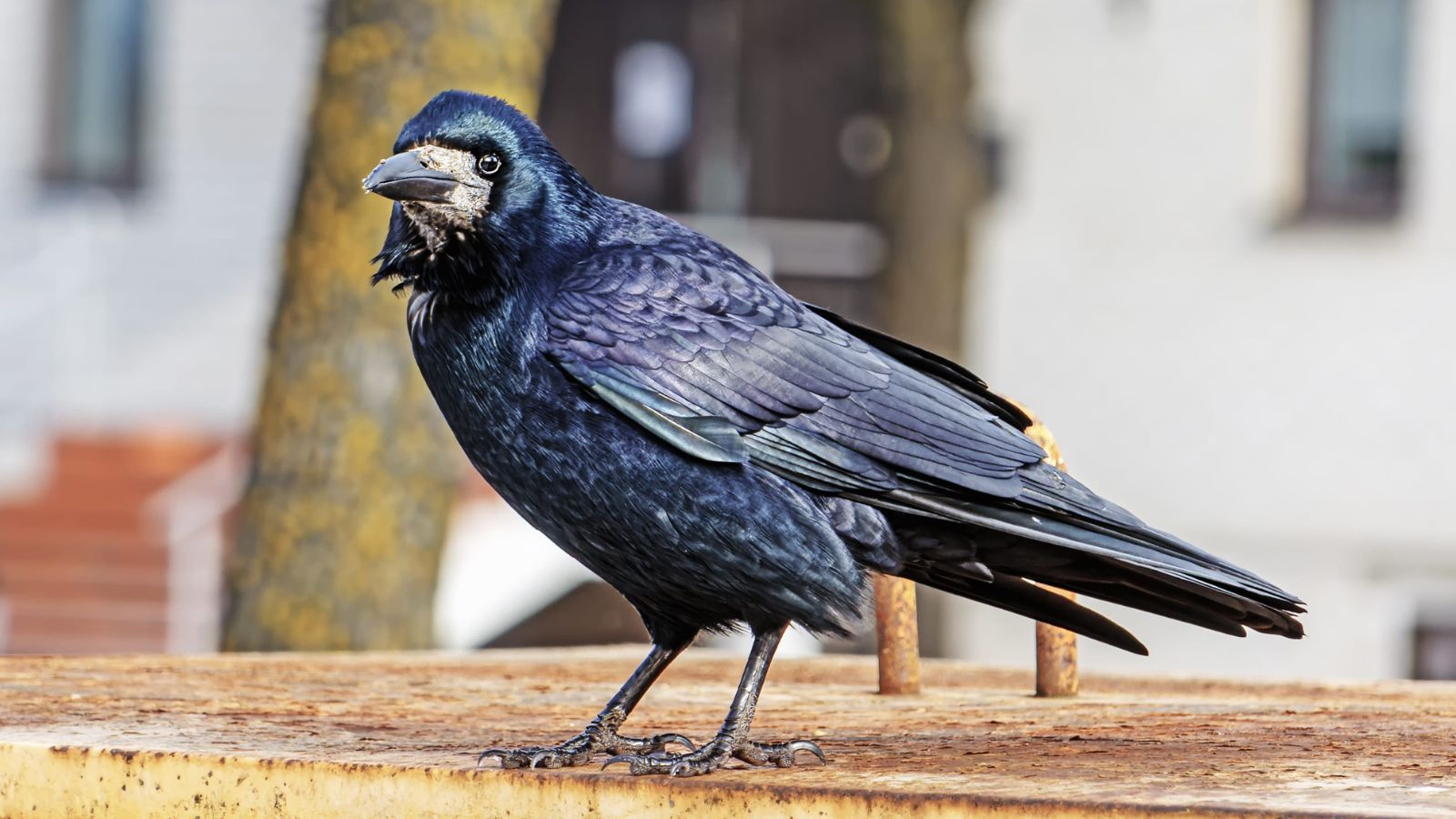
The captured birds showed particularly precise recognition. They scolded the capture-associated mask in 21 of 23 later encounters, compared with only 2 of 18 encounters involving neutral masks.
Those results matter because a general dislike of approaching people would be a different finding. Here, the crows distinguished between the face linked to capture and faces without that same association.
A Face Could Also Become Associated With Care
The research did not focus only on threatening experiences. A separate mask was worn by people who fed crows for four weeks, creating what researchers described as a caring face.
Both masks had neutral expressions. The difference was the experience attached to each one. This allowed researchers to examine how the birds responded to familiar faces with different learned meanings.
Brain Imaging Revealed Different Responses
When crows viewed familiar threatening and caring faces, brain imaging detected different patterns of activity.
The findings involved networks associated with visual discrimination, memory, attention, learned associations, motivation, and fear-related processing. Recognizing a face therefore involved more than registering its appearance: the birds’ responses also reflected what they had learned to expect when that face appeared.
Their Warning Was Something Researchers Could Observe
The field studies documented scolding calls, agitated behavior, and groups of crows gathering around the person wearing the capture-associated mask.
These observable responses gave researchers a way to track recognition across encounters. They could record whether birds reacted to a particular face and compare that behavior with responses to neutral masks, rather than relying on an impression that a crow seemed suspicious.
Birds That Were Never Captured Could Learn the Difference
Some crows acquired information without undergoing the original capture experience.
Uncaptured birds later showed stronger discrimination after opportunities to observe groups reacting to the threatening face. That is the social-learning element at the center of the research: watching other birds respond could help a crow learn which face warranted a warning.
It did not need to have the same direct experience itself.
Related: 10 Common Bird Myths You Should Stop Believing
The Learned Response Spread Beyond Its Starting Point
At one study site, the response to the threatening face spread at least 1.2 kilometers over five years.
That makes the findings especially memorable. The reaction was not confined to the small group originally caught or the immediate place where capture happened. Researchers tracked a learned response expanding through the local crow population over both time and distance.
Young Crows Learned From Their Parents
Fledglings that watched their parents scold the capture-associated face later reacted to it without their parents present.
The young birds were therefore doing more than joining an adult’s immediate response. They had observed the reaction and subsequently responded on their own. This helps explain how information about a perceived threat could reach birds that were absent from the event that started it.
Calling It a “Grudge” Goes Further Than the Evidence
It is tempting to describe these findings as proof that crows hold grudges. The more accurate explanation is that they form durable associations between faces and meaningful experiences.
The research concerned American crows, realistic face masks, and experiences such as capture or feeding. It does not establish that every crow remembers every person indefinitely, or that crows recognize people exactly as humans do.
The practical lesson is to pay attention to how wildlife responds to our behavior. Consistent, non-threatening conduct can reduce conflict, and researchers suggest learned associations could inform more humane approaches to managing encounters.
The remarkable finding is not simply that a crow can remember a face. It is that the experience attached to that face can influence later encounters, and become information another bird learns without ever being caught itself.
Other Posts You May Like
If you like what you just read, then subscribe to our newsletter and follow us on social media.


