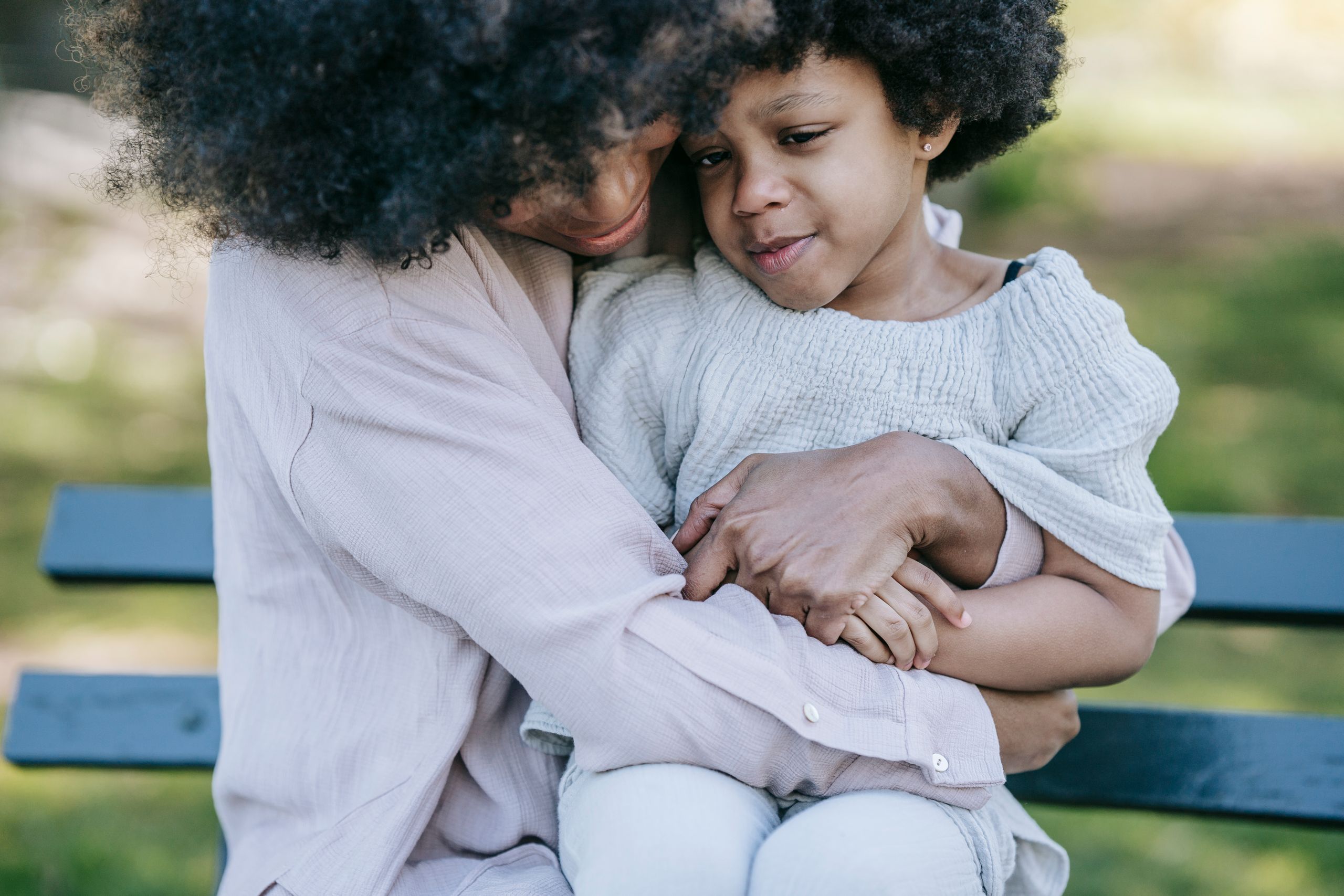
The death of a grandparent can be one of a child’s first experiences with grief. Grandparents often provide love, comfort, traditions, and special memories, so their death can leave a child feeling sad, confused, frightened, or angry.
Children do not always grieve in the same way adults do. A child may cry one moment and return to playing shortly afterward. They may ask the same questions repeatedly, become quieter than usual, struggle with sleep, or worry that someone else they love will die.
Explain the Death Clearly
Image credit: Barbara Olsen/pexels
One of the most helpful things an adult can do is explain the death in simple, honest language. Young children may not understand phrases such as “passed away,” “went to sleep,” or “we lost Grandpa.”
Instead, explain gently that the grandparent died and that their body stopped working. Clear language can help prevent confusion and unnecessary fear.
For example, you might say, “Grandma died, which means her body stopped working. She cannot breathe, talk, eat, or come back.”
Allow the Child to Express Feelings
Children may experience many different emotions after a grandparent dies. They may feel sadness, anger, fear, guilt, confusion, or even no strong emotion at first.
Let the child know that all of these feelings are acceptable. Avoid forcing them to talk or cry.
Some children express grief by speaking openly, while others may prefer drawing, writing, playing, or spending quiet time alone.
Listen to Their Questions
Image credit: Kampus Production/pexels
A grieving child may ask difficult questions such as, “Can Grandma come back?” “Will you die too?” or “Did I cause this?”
Listen carefully and respond honestly in a way that matches the child’s age and understanding.
If you do not know the answer, it is okay to say, “I’m not sure, but we can talk about it together.” Being honest can help the child trust you and feel comfortable discussing difficult emotions.
Reassure Them That They Are Safe
The death of a loved one can make children worried about their own safety or the safety of other family members.
They may become clingy, anxious, or afraid to be separated from a parent or caregiver.
Offer realistic reassurance. You can explain that everyone dies someday, but most people live for a long time. Remind the child that the adults around them are there to care for and protect them.
Maintain Familiar Routines
Image credit: Ron Lach/pexels
Grief can make life feel unpredictable. Maintaining normal routines can give children stability and security.
Regular bedtimes, meals, school attendance, playtime, and family activities can help life feel more manageable.
At the same time, allow some flexibility. A grieving child may need extra rest, comfort, attention, or quiet time.
Talk About Happy Memories
Talking about the grandparent can be an important part of healing. Share happy stories, funny moments, family traditions, and special memories.
Looking at photographs, cooking a favorite family meal, or listening to music the grandparent loved can help the child remember the relationship with warmth.
Encourage the child to share their own memories if they want to.
Create Something in Their Memory
Image credit:Vitaly Gariev/pexels
Children often benefit from doing something meaningful to remember a grandparent.
They might make a scrapbook, draw a picture, write a letter, create a memory box, plant a flower, or collect favorite photographs.
Adults don’t need to hide all their emotions. It can be healthy for children to see that sadness is a natural response to losing someone.
If you cry, you might say, “I’m sad because I miss Grandpa, but I’m going to be okay.”
This teaches the child that they can express strong emotions safely. However, make sure the child does not feel responsible for comforting you.
Prepare Them for the Funeral
Image credit:Ron Lach/pexels
If the child will attend a funeral or memorial service, explain what is likely to happen beforehand.
Tell them that people may cry, pray, sing, share memories, or gather around a coffin. Knowing what to expect can make the experience less frightening.
If possible, allow the child to decide how much they want to participate.
Be Patient With the Grieving Process
Grief does not follow a fixed timetable. Children may seem fine for a while, then become upset again during birthdays, holidays, anniversaries, or other important family events.
Keep answering their questions and let them talk about their grandparent whenever they need to.
If the child experiences severe anxiety, ongoing sleep problems, withdrawal, major behavioral changes, intense guilt, or difficulty functioning for a long period, professional support may be helpful.