


The post 9 Dog Breeds That Love Cold Weather first appeared on Crafting Your Home.
Some dogs see snow and head straight for the door. Others would probably prefer to admire winter from the sofa.
Certain breeds have an especially strong connection to cold climates because they were developed for jobs such as Arctic sledding, reindeer herding, alpine farm work, livestock guarding, or working in chilly water. Many have dense insulating coats, weather-resistant outer hair, sturdy builds, or feet suited to snowy terrain. That history does not mean every individual dog will react to winter in exactly the same way, though. Conditions, coat condition, acclimatization, age, and the individual dog all matter.
From famous sled dogs to a few less obvious northern breeds, here are nine dogs with serious cold-weather credentials.
Siberian Husky
Few breeds look more at home against a snowy backdrop than the Siberian Husky.
Developed for sled work, the breed traces its history to northeastern Asia and the Chukchi people, who used its ancestors for transportation. Huskies were built to pull relatively light loads over long stretches of frozen terrain rather than haul the heaviest possible cargo.
Their coats match that working background. A dense undercoat insulates, while longer, coarser outer hair protects from the elements. Huskies are also energetic working dogs, so their winter-ready appearance comes with a need for activity, not an invitation to spend the season lounging in a snowbank.
Alaskan Malamute
The Alaskan Malamute may share a snowy image with the Husky, but the two breeds were developed for different kinds of work.
Malamutes are powerful Arctic sled dogs historically used to haul heavy freight. Their substantial bone, strong shoulders, dense weather-resistant coats, tough feet, and broad paws all suit that demanding job.
Those broad paws are especially fitting for snowy ground, helping distribute the dog’s weight and provide grip. In simple terms, the Husky was developed more for lighter loads across distance, while the Malamute brought serious hauling strength.
Samoyed
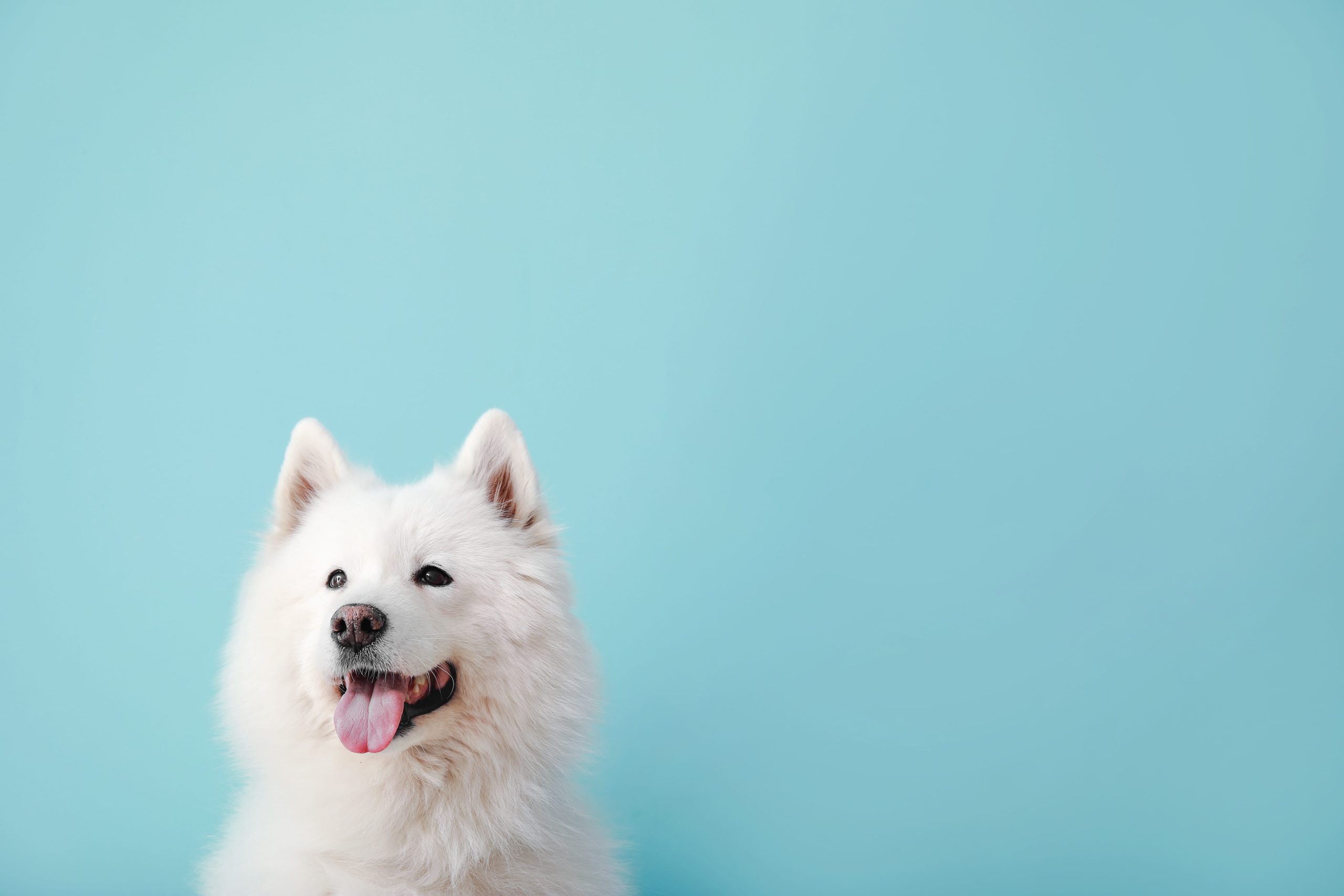
The Samoyed’s fluffy white coat isn’t just photogenic. It reflects generations of life and work in northern Siberia.
Developed alongside Samoyedic peoples, these dogs served in several roles, including herding, guarding, hunting, and pulling sleds. Their double coat combines a thick, woolly underlayer with a coarser outer layer that helps shed snow, ice, and dirt.
That famous coat also comes with plenty of grooming. Samoyeds shed heavily, so anyone enchanted by the cloudlike look should be prepared for the maintenance that comes with it.
Newfoundland
Not every cold-weather specialist made its name on snowy trails. The Newfoundland’s impressive résumé is closely connected to cold water.
Originating in Newfoundland, Canada, these giant working dogs assisted fishermen with jobs such as pulling nets and boats and became well known for water work. Their powerful bodies, webbed feet, thick water-resistant coats, and strong tails all contributed to their ability to swim and work in chilly conditions.
That makes the Newfoundland an interesting contrast to Arctic sled breeds: its cold-weather history is as much about wet environments as snowy ones.
Saint Bernard
The Saint Bernard is practically shorthand for snowy mountain rescues, and that association has real history behind it.
The breed became famous through the Great St. Bernard Hospice in the Swiss Alps, where dogs assisted travelers in dangerous snow-covered mountain routes and helped locate people who had become lost.
One famous image deserves a little skepticism, though: the tiny brandy barrel hanging from a Saint Bernard’s collar is an enduring piece of popular imagery, not solid evidence of standard rescue practice.
Another surprising detail? The original hospice rescue dogs were short-coated. Longer coats could collect ice and become inconvenient for dogs working in those demanding conditions.
Bernese Mountain Dog
The Bernese Mountain Dog’s history is rooted in Swiss farm work rather than sled racing.
These large, versatile dogs worked around farms, where their jobs included driving cattle, guarding property, and pulling carts. Their long double coats suited the cold, rainy, and snowy conditions associated with their home region.
That working background helps explain why a snowy day can look perfectly natural for a Berner. Still, their history as cold-weather dogs doesn’t make them outdoor-only companions; they are also meant to live as part of the household.
Related: 7 Best Dog Breeds for Families in 2026
Great Pyrenees
The Great Pyrenees brings a different kind of winter experience to the list: independent livestock guarding.
The breed was developed to protect sheep from predators on snowy mountain terrain in the Pyrenees between France and Spain. Its coat consists of a long outer layer over a soft undercoat, providing protection suited to that environment.
Great Pyrenees also have traditional double dewclaws on their rear legs, which may have helped with traction in deep snow or while moving downhill.
Their background matters for temperament, too. These dogs were expected to guard livestock and make decisions without constant human direction, so they are much more than simply giant fluffy companions.
Finnish Lapphund
The Finnish Lapphund proves that a cold-country working dog doesn’t need to be enormous.
This weatherproof northern breed comes from areas north of the Arctic Circle and was traditionally used by the Sámi people of Lapland to herd reindeer. Its substantial coat helped it work in cold conditions while giving the breed its distinctive fluffy appearance.
That reindeer-herding history makes the Finnish Lapphund one of the more unexpected entries on this list—and a useful reminder that cold-weather breeds developed for more than sled pulling.
Norwegian Elkhound
Compact, sturdy, and unmistakably northern, the Norwegian Elkhound was shaped by harsh Scandinavian landscapes.
Historically, these dogs hunted large game, including moose and bears. Their harsh outer coat helps keep moisture from penetrating to the insulating undercoat during changing winter conditions, including periods of freezing and thawing.
Despite its handsome silver-gray coat, the Elkhound isn’t simply a decorative snow dog. It has a working and hunting background that called for stamina, intelligence, and plenty of activity.
Cold-weather breeds are fascinating because their coats, builds, and working styles tell a story about where they came from and what people once needed them to do. From hauling freight and herding reindeer to guarding mountain livestock and swimming through cold water, these nine breeds show just how many different ways dogs adapted to demanding northern environments.
Other Posts You Might Like
-
The ‘7 Dog Years’ Rule Is Wrong — Here’s How Scientists Now Calculate Your Dog’s Age
-
Why Do Dogs Tilt Their Heads? Researchers Found a Surprising Clue
If you like what you just read, then subscribe to our newsletter and follow us on social media.


