

The post Meet the Winner of Fat Bear Week 2026 and the Bear Cubs Stealing the Show first appeared on Crafting Your Home.
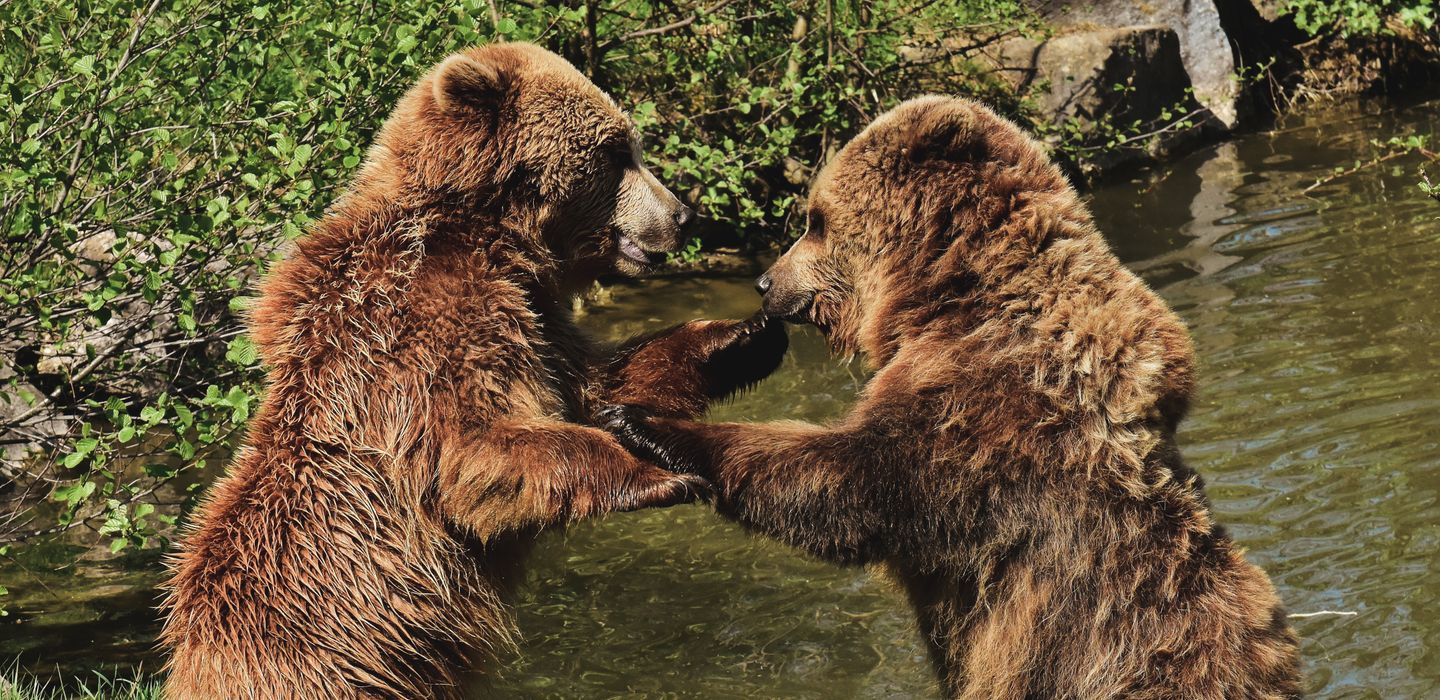
Every September, Alaska’s Katmai National Park turns into the internet’s favorite reality show, minus the drama, plus a whole lot of salmon. Fat Bear Week is an annual, bracket-style online competition that celebrates the brown bears of Brooks River as they pack on serious weight to survive winter hibernation. It’s silly, heartwarming, and a genuine window into one of the healthiest bear ecosystems left on Earth.
Here’s the honest update, straight from the source: as of this writing, Fat Bear Week 2026 hasn’t crowned a champion. The tournament runs September 22 through 29, with voting paused over the weekend and the semifinals landing on September 28. The winner will officially be announced on September 29. So rather than inventing a result that hasn’t happened, here’s exactly where things stand, who’s still in the running, and why the cubs at Brooks River are getting just as much attention as the adults this year.
Where the 2026 Bracket Stands Right Now
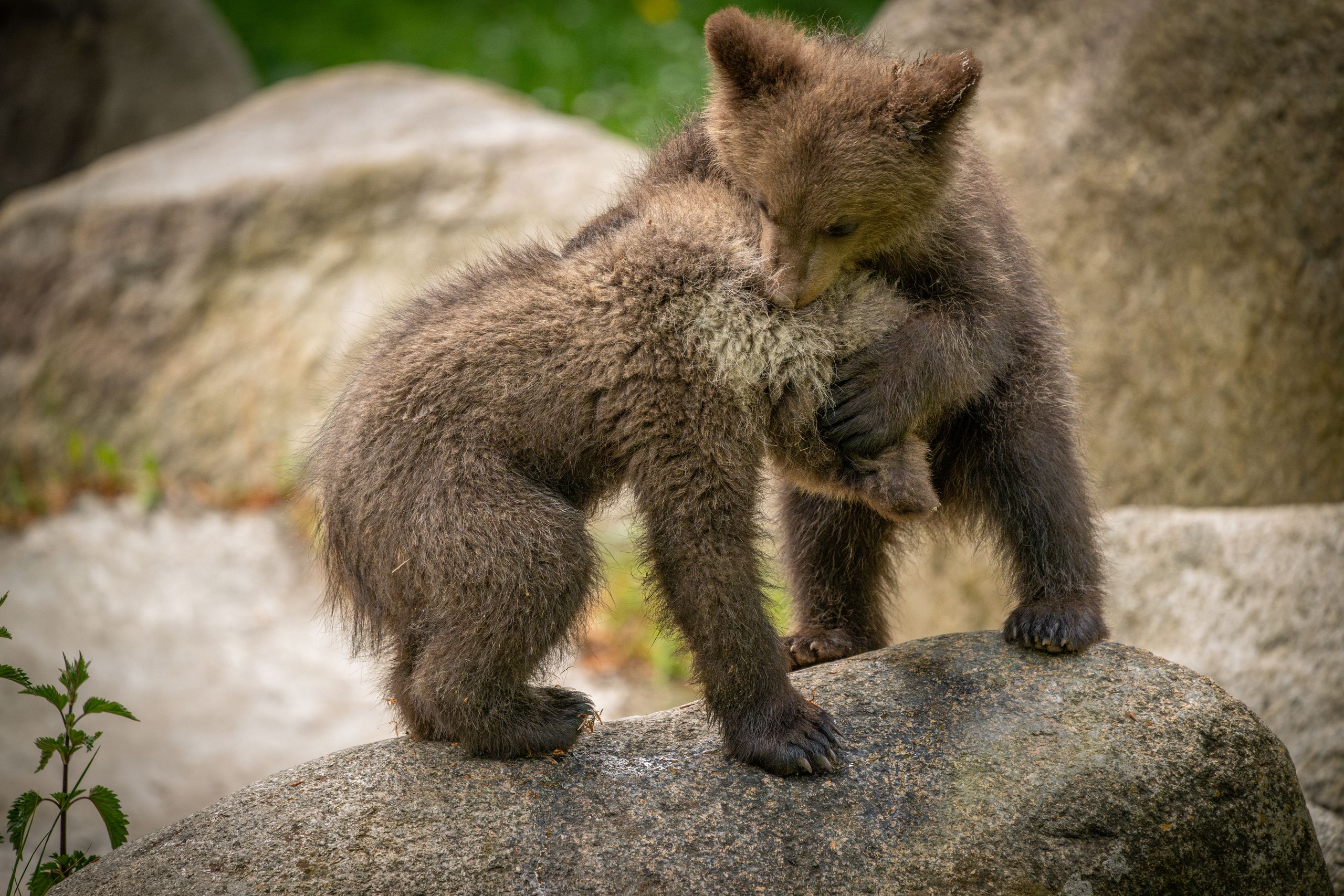
This year’s field expanded to 16 entries, up from 12 in 2025, after what park officials are calling an extraordinary cub season at Brooks River. That includes five separate family groups, meaning a mother bear and her cubs compete together as a single entry.
Leading the pack heading into the later rounds is defending champion Bear 32, better known as “Chunk”.” He won the 2025 title after recovering from a broken jaw and an injured paw earlier that season, and he’s back in 2026 to defend his crown. Katmai Park ranger Sarah Bruce noted how competitive this year’s early matchups were, since Chunk faced fellow heavyweight Bear 164, “Bucky,” a matchup she said would normally happen much later in the tournament given how dominant and popular both bears are.
According to reporting on the quarterfinal round, the 132 Family and 806 Family both advanced, along with Bear 909 and Bear 910. Bear 909 has drawn particular attention this year as a single female who lost two cubs during the season, while Bear 910 belongs to what’s being described as a history-making blended bear family that has caught the attention of fellow contenders Bucky and Walker.
Voting reopened after a rocky start, too. Organizers had to extend the very first round of voting after what park officials described as bear lovers “breaking the internet,” overwhelming the polls so badly that some voters couldn’t get their ballots in.
What a Fat Bear Week Actually Works
The premise is simple, even if the bears involved are anything but. Each matchup pits two bears, or two-family units, against each other using before-and-after photos taken throughout the season. Voters pick whichever bear they believe did the best job “getting fat and getting healthy,” and the bear with more votes moves on. It’s single elimination, so one bad round and you’re out, regardless of how much weight you’ve packed on.
The stakes for the bears themselves are much higher than internet bragging rights. During hibernation, brown bears don’t eat or drink, and they can lose roughly a third of their body weight over the winter. Katmai ranger Troy Hunt has noted the bears can go four to six months without a single meal. Every pound gained now is fuel they’ll be quietly burning through in a den for the rest of the year.
Related: How to Prevent Package Theft: 10 Practical Tips That Work
The Cubs Stealing the Show
While the adult bears get most of the bracket buzz, 2026 is genuinely being remembered as a record year for cubs at Brooks River. “There are more cubs at Brooks Camp this year than have been seen in a long time,” said Katmai National Park Superintendent Mark Sturm. “A new generation of fat bears is taking shape, and they’re off to a strong start. We’re excited to watch them grow and learn as they prepare for winter in Katmai’s incredible ecosystem.”
That surge in cubs is part of why this year’s bracket includes so many family entries competing as units rather than solo adults. Sarah Bruce pointed out that nursing mothers face a tougher challenge than solo bears, since they’re feeding cubs in addition to themselves, which shows up clearly in their before-and-after transformations. Viewers watching the live bear cams have also been able to follow two subadult “teenage” bears, 620 and 694, whose growth is more about skeletal development than visible belly fat this time of year.
Cubs learn essential survival skills, including how to fish and where to find food, by staying close to their mothers throughout the salmon season, which is part of why the live cams have become such a draw. Watching a cub clumsily attempt to catch a salmon, or shadow its mother along the riverbank, has become one of the most-loved parts of the entire Fat Bear Week season for longtime viewers.
Why These Bears Get So Big
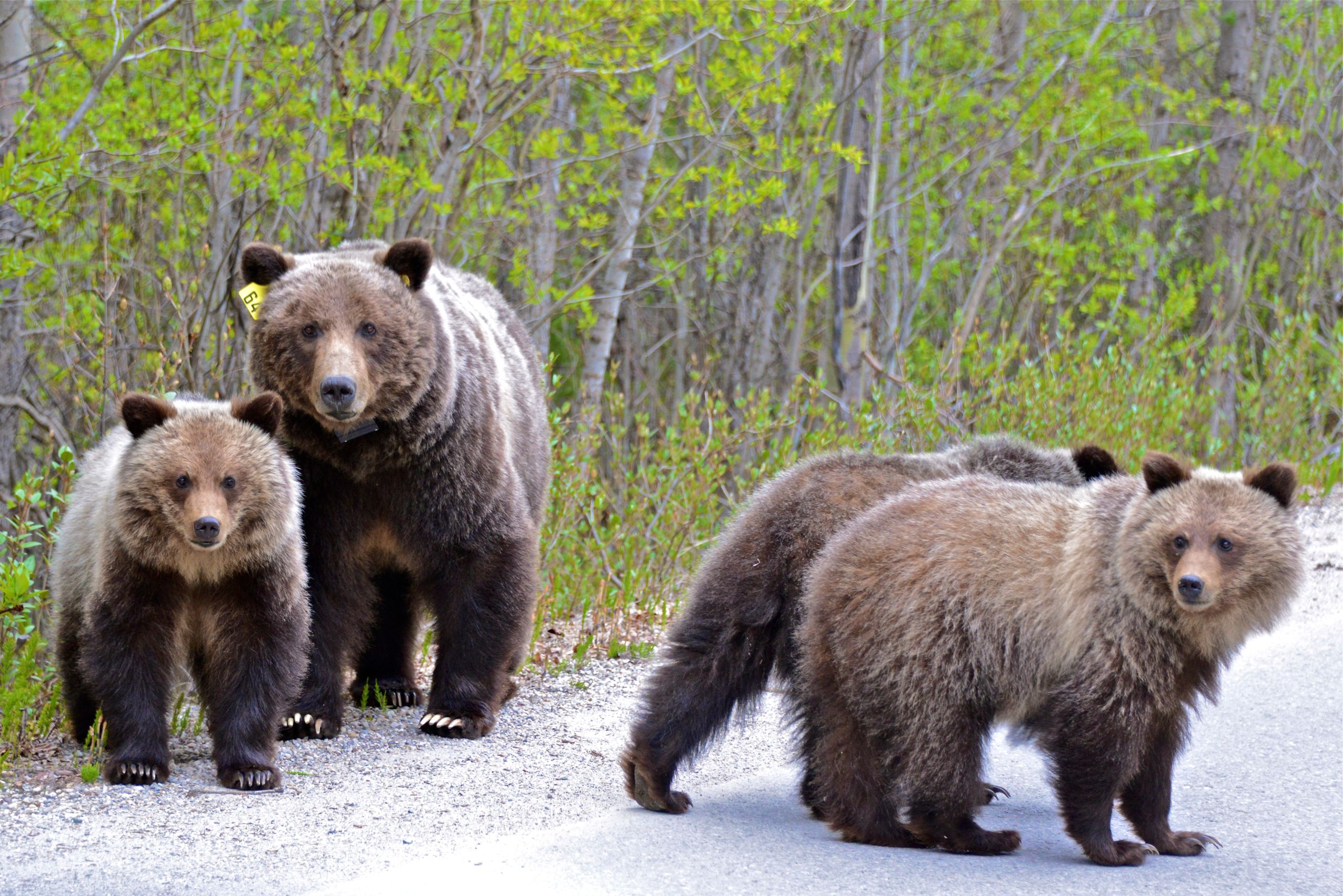
The scientific term for what’s happening at Brooks River is hyperphagia, a seasonal period when bears’ bodies drive them to consume large amounts of high-calorie food in preparation for hibernation. According to Explore.org naturalist Mike Fitz, the bears have now reached “peak fat” after a summer spent “gorging on salmon, berries and other foods.” As Fitz put it, “bears get fat to survive, and fat is the fuel that powers their ability to endure the month-long famine that is winter hibernation.” It’s not mindless eating. It’s a finely tuned biological response to an incoming season with zero food available at all.
Related: 4 Ways Your “Food Storage Routine” Is Slowly Emptying Your Wallet
More Than Just a Competition
Underneath the jokes about “chunky” bears, Fat Bear Week functions as a genuine public science event. It draws millions of viewers into learning about brown bear ecology, the importance of healthy salmon runs, and how a protected, largely undisturbed river system like Brooks River allows both to thrive together. Katmai’s bear population is considered one of the healthiest in North America specifically because the habitat and food source remain intact, a reminder of what’s at stake in keeping places like this protected.
The champion will be crowned September 29. Until then, the bracket, the live cams, and a whole new generation of Brooks River cubs are still very much part of the story.
Other posts you might like
- things-nobody-warns-you-about-before-buying-your-first-home
- six-things-homeowners-never-regret-buying
If you like what you just read, then subscribe to our newsletter and follow us on social media.


