


The post If You’re Over 70, You Probably Still Do These 11 Things Out of Habit first appeared on Crafting Your Home.
Some habits are so deeply ingrained that you barely notice you’re doing them. For many adults over 70, everyday routines were shaped long before smartphones, online banking, GPS, streaming services, and digital calendars became part of daily life.
People now in their 70s grew up with landline phones, paper bills, handwritten lists, printed newspapers, checks, and scheduled television. Technology changed. The routines did not always disappear with it.
Not everyone over 70 follows these habits, of course, and plenty of younger people do some of them too. But if several of these sound familiar, you may be carrying forward routines that once made perfect practical sense.
Keeping Important Papers “Just in Case”

Even when bills, bank statements, warranties, and medical records are available online, many people still prefer having a physical copy. That can mean folders full of tax documents, envelopes containing receipts, appliance manuals, insurance paperwork, or carefully labeled files going back years.
For people who spent most of their lives without cloud storage, paper wasn’t a backup; it was the record. Keeping a physical document meant knowing exactly where important information was. Even today, that sense of security can be difficult to replace with a password and a website.
Carrying Cash Everywhere
Cards and digital payments may dominate many transactions, but carrying a little cash can still feel like common sense. Older adults spent much of their lives in a world where cash was needed for everything from groceries to gasoline. Credit cards existed, but they were not always accepted everywhere, and contactless phone payments were decades away.
That history helps explain why some people still leave home with a few bills tucked into a wallet. Even if they rarely use them, cash can feel like protection against card problems, broken payment systems, or a place that simply does not take plastic.
Balancing a Checkbook
Online banking can show account activity almost instantly, but some people still prefer to record every purchase, deposit, and payment by hand. For generations, balancing a checkbook was a basic part of managing household finances. You wrote each transaction into the register and compared your records with the bank statement when it arrived.
Even if you now check balances online, manually recording purchases can provide a sense of control. The practice forces you to pay attention to where money is going instead of relying entirely on a screen to keep track.
Writing Things Down on Paper
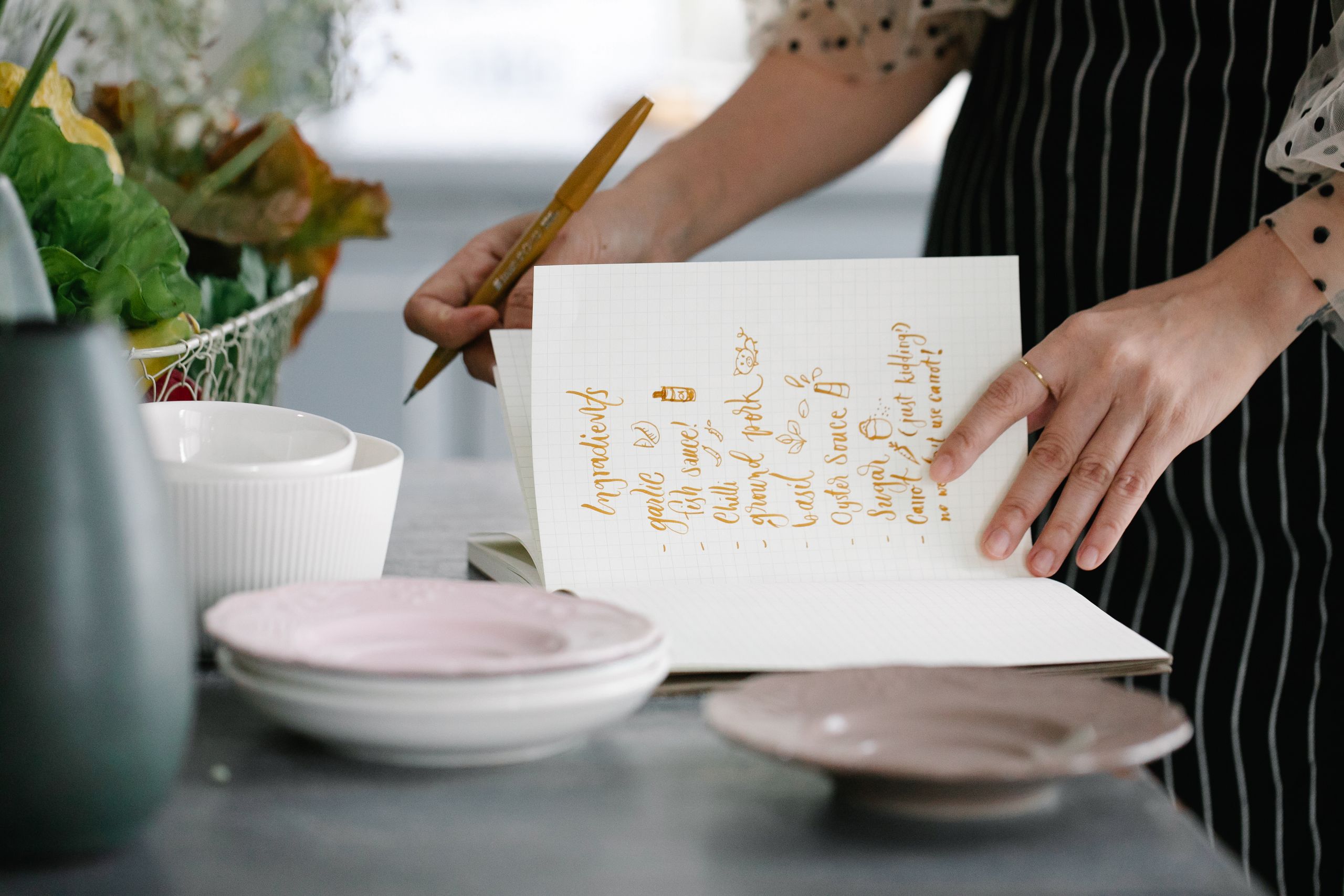
A smartphone can store reminders, appointments, shopping lists, phone numbers, and birthdays in one device. Yet a paper calendar, notebook, address book, or handwritten shopping list still has advantages for people who spent decades using them.
Writing something down creates a physical reminder. No battery to charge, app to open, or password to remember. A grocery list can go directly into a pocket, while an address book may contain names and numbers accumulated over decades. The habit may look old-fashioned, but for many people it remains simple and reliable.
Turning Off the Lights Every Time You Leave a Room
Walk out of a room, flip the switch. For many people, that action happens almost automatically. Conserving electricity was taught as part of basic household responsibility, especially when families closely watched utility costs. Parents routinely reminded children not to “waste electricity” by leaving lights burning in empty rooms.
Modern LED bulbs use much less energy than older incandescent bulbs, but the routine remains. Even in homes filled with efficient lighting, some people cannot comfortably leave an unused room illuminated. It may be habit, but saving energy still makes practical sense.
Saving Jars, Bags, Boxes, and Containers

Open some kitchen cabinets or closets, and you may find an impressive collection of reusable items. Shopping bags get folded for later. Save gift bags for another birthday. Plastic food containers are washed instead of thrown away.
For people raised in households where waste was discouraged, throwing away something useful can feel unnecessary. This habit isn’t exclusive to any generation, but it often reflects a mindset shaped by households that expected people to reuse what they had. What younger family members may call clutter, someone else may see as perfectly good material waiting for its next purpose.
Watching Television When the Show Actually Airs
Streaming lets you watch almost anything whenever you want. Yet some viewers still organize evenings around a television schedule. For decades, there was no “watch later” button. If your favorite program aired Tuesday at 8 p.m., you watched it Tuesday at 8 p.m. Missing an episode could mean waiting months for a rerun.
That rhythm became part of household life. People knew which night their favorite programs aired and sometimes planned around them. Even with streaming available, watching a program at its scheduled time can still feel more natural than searching for it later.
Reading Something Printed on Paper
Digital news, e-books, and tablets are everywhere, but printed newspapers, magazines, and books still have loyal readers. For people who spent most of their lives getting news from a paper on the doorstep or reading books without screens, print offers a familiar experience.
You can fold a newspaper, underline a passage, leave a magazine on the kitchen table, or place a bookmark exactly where you stopped. Digital reading may be faster and more portable, but that does not make print obsolete for everyone. Sometimes the physical object is part of the pleasure.
Answering the Phone When It Rings

Before caller ID, texting, voicemail apps, and spam filters, a ringing telephone meant one thing: somebody was trying to reach you. You usually picked it up. That expectation can remain surprisingly strong. Some older adults feel uncomfortable letting a phone ring unanswered, even when the caller is unfamiliar.
Younger people who grew up screening calls may find that strange, but landline culture trained generations to respond immediately because no text message explained why someone called. Unfortunately, today’s flood of robocalls and scams makes that old instinct less useful than it once was. Still, habits formed over decades can be difficult to switch off.
Arriving Early for Appointments
Being “on time” sometimes means arriving 10 or 15 minutes early. For people accustomed to paper maps, unpredictable traffic, limited ways to contact someone while traveling, and stricter workplace expectations about punctuality, extra time provided insurance. If you arrived late decades ago, you could not simply send a text saying you were five minutes away.
That may help explain why some older adults continue leaving home early for medical appointments, flights, church, meetings, or family gatherings. The habit can look overly cautious in an age of GPS and instant communication, but arriving early rarely creates the same problems as arriving late.
Keeping Extra Supplies Around the House
An extra flashlight. Spare batteries. Several cans of food. Medicine bought before the current supply runs out. For some people, preparedness is simply part of running a household. Generations that experienced recessions, shortages, storms, or parents who emphasized saving may be especially comfortable keeping essentials on hand.
What looks excessive to someone used to next-day delivery can feel completely sensible to someone who remembers when replacing an item required a trip to the store and the store might not have it. The habit is less about expecting disaster than avoiding the inconvenience of being caught without something important.
Some Habits Stick Around Because They Still Work
Familiar routines are not necessarily signs that someone is unwilling to change. Many began because they saved money, prevented waste, encouraged preparedness, or made everyday life more organized. Some remain genuinely useful even when newer alternatives exist.
Paper lists do not need charging. Cash works during some outages. Arriving early reduces stress. Keeping emergency supplies can save an inconvenient trip.
Technology may change faster than habits do, but that is not always a bad thing. And if you still save jars, carry cash, write appointments on paper, or turn off every light behind you, those routines probably became habits for a reason.
Other posts you might also like
- 9-habits-of-men-who-are-quietly-great-husbands
- 9 habits-of-quietly-wealthy-americans-how-many-do-you-practice
- 8habits-americans-take-abroad-that-can-come-across-as-rude-overseas
If you like what you just read, then subscribe to our newsletter and follow us on social media.


