


The post Tim McGraw Joins the Country Music Hall of Fame This Month — 10 Songs That Got Him There first appeared on Crafting Your Home
Before Tim McGraw sang about living like time was short, he sang about young love, wide-open spaces, and simply liking it a whole lot. On October 18, the Country Music Hall of Fame will formally induct the country star, marking another chapter in a career that has moved from ’90s radio hits to songs about family, mortality, and kindness.
McGraw was announced in March as the Country Music Hall of Fame’s 2026 Modern Era Artist honoree. He will enter the Hall alongside songwriter Paul Overstreet and bluegrass duo the Stanley Brothers.
The induction offers a natural reason to look back at the songs that helped define McGraw’s career, not as an official ranking, but as a journey through the different sides of an artist whose catalog changed as his audience did.
At the announcement, McGraw summed up the significance of the honor simply: “Everything good in my life has come from Country Music,” while also crediting his family, team, songwriters, and the artists who came before him.
Here are 10 recordings that help tell that story.
“Don’t Take the Girl”
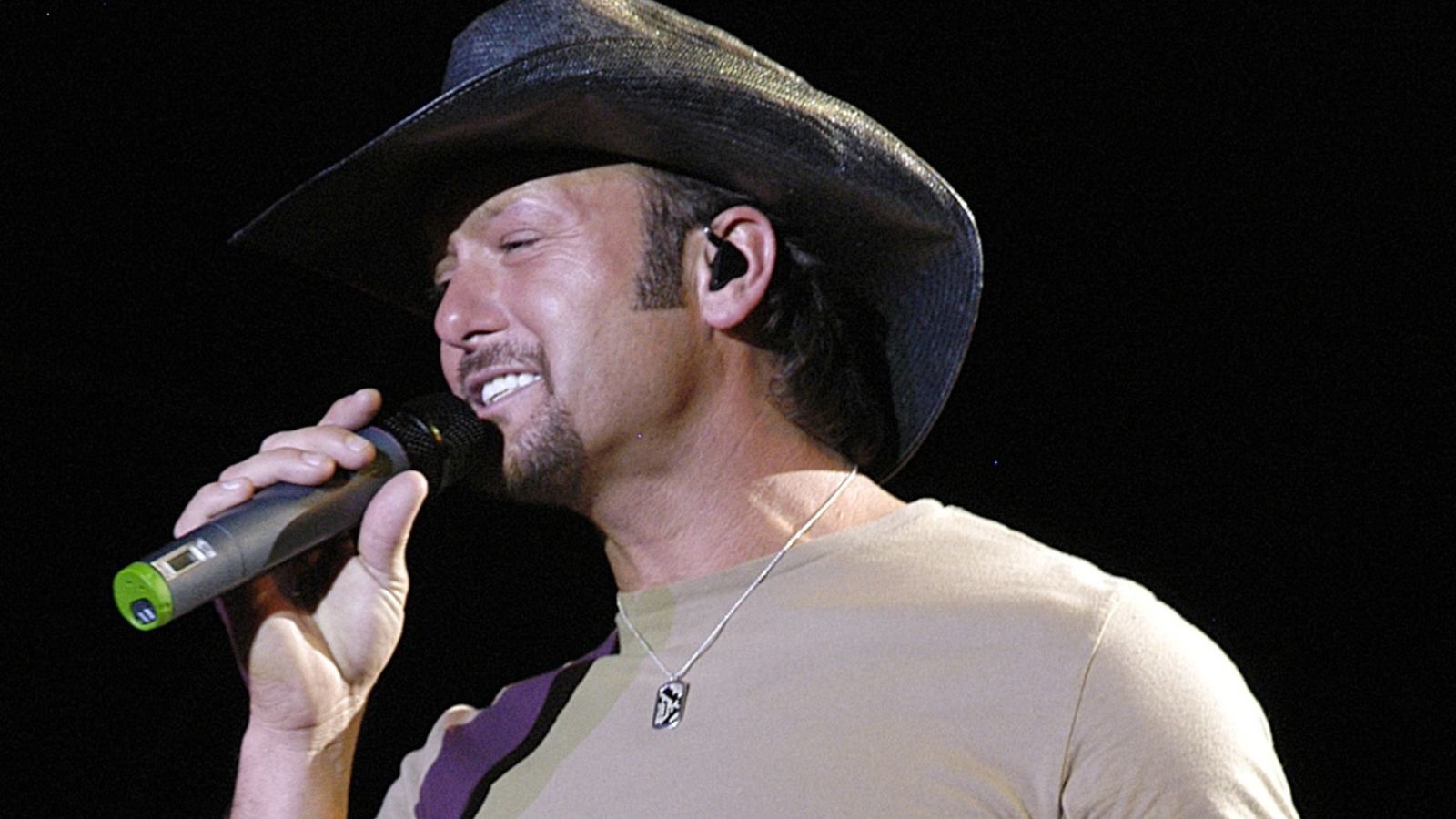
McGraw’s early career had already drawn attention with “Indian Outlaw,” but “Don’t Take the Girl” showed another side of what he could do.
The emotional song demonstrated that his appeal could extend beyond an energetic hit. It became an important early example of McGraw connecting with listeners through a story.
It also helped establish that the artist who could command attention with a lively country hit could deliver something much more tender.
“I Like It, I Love It”
Before McGraw’s catalog became increasingly reflective, there was plenty of room for a good singalong.
“I Like It, I Love It” represents the exuberant side of his early career. The Country Music Association contrasts that kind of honky-tonk crowd-pleaser with the more contemplative material that would become important later.
It is a useful reminder that McGraw’s career was never built around just one mood.
“It’s Your Love”
McGraw’s musical partnership with Faith Hill became an important part of his story, and “It’s Your Love” put that partnership front and center.
The duet reached No. 1 on the country chart and the pop Top 10. McGraw and Hill later extended their musical partnership through their Soul2Soul tours.
The song is therefore more than an early-career love song. It represents one of the partnerships that became closely connected with McGraw’s career.
“Just to See You Smile”
“Just to See You Smile” represents another side of McGraw’s enormous radio presence.
The Country Music Association identifies it as one of three McGraw singles that became Billboard’s top country song of its respective year.
Its place in the career story helps show how consistently McGraw could turn emotionally direct songs into major country hits.
“Something Like That”
Few songs better capture McGraw’s ability to turn an everyday romantic memory into a huge country-radio moment.
The Country Music Association says “Something Like That” became the most-played song of its decade across genres.
That distinction gives the song a particularly useful place in this retrospective: it illustrates how McGraw’s reach extended beyond country music’s core audience.
Related: 7 Celebrities Who Regularly Attend Church and Embrace Their Faith
“Where the Green Grass Grows”
“Where the Green Grass Grows” belongs to the run of solo hits that helped establish McGraw as a major commercial force in country music.
The song also adds another dimension to the story of his catalog. Alongside the love songs and crowd-pleasers, McGraw increasingly recorded songs about the kind of life people wanted to build and the places they wanted to call home.
That broader emotional territory would become even more important later in his career.
“The Cowboy in Me”
“The Cowboy in Me” takes the McGraw story in a more introspective direction.
The Country Music Association includes it among the solo hits that helped define his career.
Placed before “Live Like You Were Dying,” it also helps illustrate the shift in tone that became increasingly apparent as McGraw’s catalog moved beyond the straightforward exuberance of his early years.
“Live Like You Were Dying”
If one song captures the emotional turn in McGraw’s career, this is the centerpiece.
“Live Like You Were Dying” spent seven weeks at No. 1 and won major country honors. McGraw recorded it in the year his father, Tug McGraw, died. The song was written by Craig Wiseman and Tim Nichols.
That personal timing gives the recording an especially powerful place in McGraw’s story, while its success shows how deeply its message connected with listeners.
Importantly, McGraw did not write the song himself. Wiseman and Nichols were its writers—a distinction worth preserving when looking back at the recording.
“Over and Over”
McGraw’s career was never confined entirely to traditional country boundaries.
His collaboration with Nelly on “Over and Over” demonstrated his willingness to cross genre lines, while the song’s pop success became part of his wider cultural reach.
It belongs in this retrospective because it shows another way McGraw expanded his audience without leaving behind the country career that made him famous.
“Humble and Kind”
By the time McGraw recorded “Humble and Kind,” the themes surrounding his music had moved well beyond the carefree energy of his early hits.
Written by Lori McKenna, the song became a later-career touchstone. The Country Music Association presents it as another example of McGraw finding a song that resonated strongly with its moment. McKenna received the Grammy for Best Country Song as the songwriter.
That distinction matters: McGraw brought the song to a broad audience through his recording and performance, while McKenna wrote it.
From ’90s hitmaker to Hall of Famer
McGraw’s Country Music Hall of Fame story is ultimately bigger than a collection of chart achievements.
His self-titled 1993 debut produced no Top 40 country singles. The following year, Not a Moment Too Soon changed his trajectory, helped by “Indian Outlaw” and “Don’t Take the Girl.”
From there came major solo hits, a celebrated musical partnership with Faith Hill, crossover collaborations, and songs that increasingly dealt with time, family, and the way people choose to live.
The Country Music Association’s 2026 induction announcement credits McGraw with more than 60 Top 10 country hits, nearly 30 No. 1 country singles, 13 albums that topped Billboard’s country albums chart, 11 CMA Awards, and three Grammys.
But the most interesting way to revisit his catalog may be to listen for the change.
The artist behind “I Like It, I Love It” eventually became the voice of “Live Like You Were Dying” and “Humble and Kind.” The songs grew older with the audience.
On October 18, that career will receive its formal place in the Country Music Hall of Fame. Until then, these songs offer a way to trace the road that brought McGraw there, from the ’90s breakthrough to the more reflective music that helped define his later career.
Other Posts You Might Like
If you like what you just read, then subscribe to our newsletter and follow us on social media.


