

The post Why Black Cats Are Lucky in Some Countries and Unlucky in Others first appeared on Crafting Your Home.
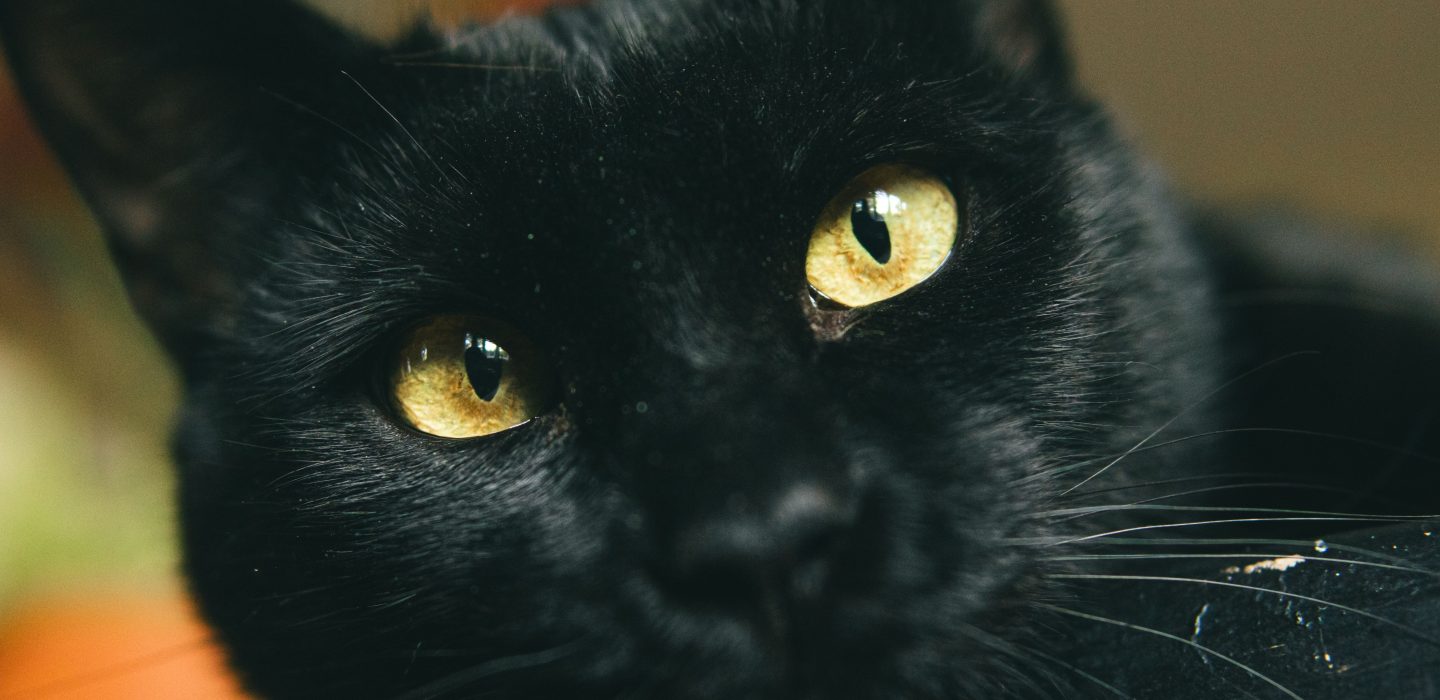
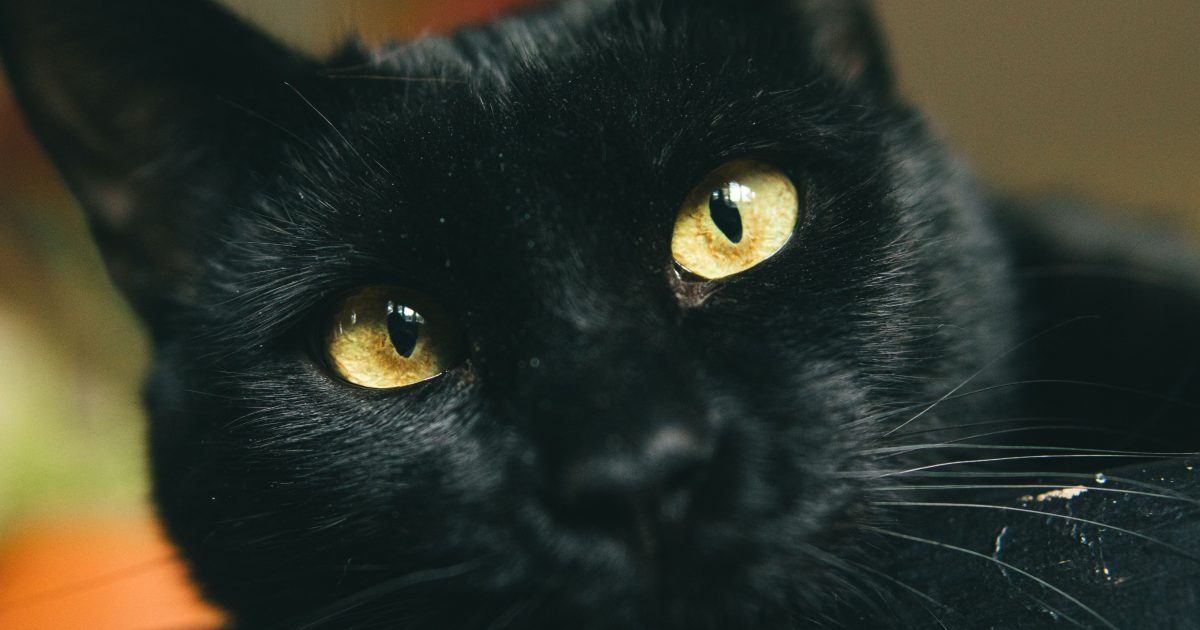
In one place, a black cat crossing your path might make you stop and wonder whether trouble is coming. Somewhere else, the exact same encounter could be welcomed as a sign of good fortune. The cat has not changed. The story around it has.
For centuries, black cats have carried wildly different meanings. In some traditions, they became connected with witchcraft, danger, or bad luck. In others, they were associated with prosperity, safe travel, marriage, and even good fortune arriving at the front door.
Those beliefs do not divide neatly by country. Even within Britain, for example, folklore has treated black cats as both lucky and unlucky depending on the situation. Understanding why requires separating documented history from folklore and both from what people believe today.
How Black Cats Became Linked With Bad Luck
No single moment in history saw black cats suddenly become “unlucky.” One important part of the story comes from medieval and early modern European beliefs about witchcraft. When people took accusations of sorcery seriously, they sometimes believed witches had supernatural helpers known as “familiars.”
These familiars were thought to appear in animal form. According to historical discussions of English witchcraft beliefs, familiars could include cats, dogs, birds, and other animals. They were not always cats, and they certainly were not always black.
Still, once people accepted the idea that an animal might secretly serve a witch, they could become suspicious of an ordinary cat. One document that frequently appears in modern stories about black cats is Vox in Rama, a 1233 letter issued by Pope Gregory IX concerning allegations of heresy in parts of Germany.
The document describes a black cat in an alleged ritual. That shows such an accusation existed. It is not proof that the ritual actually happened, and historians caution against popular claims that the letter triggered mass killings of cats across Europe or somehow helped cause the Black Death.
Those dramatic stories are widely repeated online but are not well supported by historical evidence. The association between animals and witchcraft continued into later centuries. During the Salem witch trials of 1692 in colonial Massachusetts, testimony and accusations included supposed supernatural creatures appearing in various animal forms, including cats.
Again, these records tell us what people feared or claimed. They do not establish that supernatural animals existed. Over time, cats, especially dark-colored ones, became convenient symbols in stories about witches and the supernatural.
That helps explain the broader atmosphere around the superstition, but it does not give us a precise origin for the idea that a black cat crossing your path specifically brings bad luck. That belief appears to have developed through folklore, where ordinary encounters became signs or omens.
Where Black Cats Are Considered Lucky

The interesting thing about black-cat folklore is that the same encounter can mean exactly the opposite somewhere else. Cats Protection, a major UK animal-welfare organization, notes that British traditions have sometimes treated a black cat crossing your path as a sign of good luck.
Local variations exist even within Britain. One Yorkshire tradition, for example, reportedly considers owning a black cat lucky while encountering one unexpectedly can be unlucky. That contradiction shows why it is risky to say, “People in this country believe black cats are lucky.”
Folklore is often regional, inconsistent, and constantly changing. Scotland offers another positive example. A traditional saying holds that a strange black cat arriving at someone’s doorstep may signal prosperity. This doesn’t mean every Scottish person believes it.
It is simply one recorded piece of folklore showing how differently people can interpret the same animal. In southern French folklore, black cats also appear in stories involving so-called matagots, mysterious or magical cats said to reward people who treated them well. Japan provides another commonly cited contrast.
Some Japanese folklore treats a black cat crossing someone’s path as a favorable sign rather than a warning. That turns the familiar American or European bad-luck image on its head. These traditions reveal that a black cat has never had one universal meaning.
A dark coat might make the animal mysterious in one story and fortunate in another. The meaning comes from the culture interpreting the encounter, not from anything the cat is actually doing.
Sailors, Weddings, and Other Surprising Traditions
Black cats also developed positive reputations in places far removed from witchcraft stories. Sailing is one example. Cats had an important practical role aboard ships. Royal Museums Greenwich notes that sailors kept cats as companions and mascots, while the animals also helped control rats and mice.
Rodents could eat stored food and damage important equipment, so having a cat aboard made practical sense. Folklore added another layer. Some European maritime traditions claimed that black cats could bring sailors good luck or help ensure a safe voyage.
That should be understood as superstition, not fact. And even sailors did not agree. Historical records include examples in which a black cat aboard a ship was regarded as a bad omen rather than a lucky one. Once again, the same animal could inspire completely opposite interpretations.
Black cats also appear in wedding folklore. Cats Protection records an English saying that giving a bride a black cat on her wedding day was supposed to bring good luck. That does not prove the custom was widespread, nor does it tell us exactly when it began.
Today, of course, giving someone an animal as a surprise gift is generally discouraged unless the recipient has agreed to take responsibility for the pet. Still, the old saying reveals something important. Black cats were not always treated as sinister. In some stories, they symbolized happiness, prosperity, protection, or a promising future.
Why Black-Cat Superstitions Still Survive
Black cats remain deeply connected with Halloween imagery, witches, and spooky decorations. But that does not mean modern people universally believe they bring bad luck. The situation is especially complicated in animal shelters. A common claim says black cats are always adopted more slowly because people are superstitious.
Research suggests the reality is more nuanced. A 2020 study examining 7,983 cats at an urban shelter in Kentucky found that black cats had lower adoption rates and higher euthanasia rates than white cats, although the overall relationship between coat color and shelter outcomes was weak.
Other studies have produced different results, including research in which white cats waited longer for adoption than black cats. A 2026 study examining how people judged shelter cats in online photographs found that participants rated black cats as less adoptable than other cats.
But superstition did not significantly explain the difference. The researchers suggested another possibility: facial expressions may be harder to read in photographs of black cats. That matters because it challenges the easy assumption that bad-luck beliefs are always responsible.
The same caution applies to stories about Halloween. Some shelters and animal advocates have expressed concerns about black cats around the holiday, but available research does not establish that black cats universally face greater danger simply because October arrives. The history of black cats is ultimately less about the animals themselves and more about human storytelling.
One culture sees a warning. Another sees prosperity. A sailor sees a mascot. A bride receives a symbol of good fortune, and somewhere else, someone simply sees a cat walking across the road.
Whether that moment feels lucky or unlucky depends on the story a person has inherited. The cat, meanwhile, is just being a cat.
Other Posts You Might Also Like
- how-cats-land-on-their-feet-the-physics-behind-the-feline-righting-reflex
- why-slow-blinking-at-your-cat-actually-works-according-to-science
- from-grain-stores-to-sofas-the-surprisingly-wild-story-of-how-cats-became-our-roommates
If you like what you just read, then subscribe to our newsletter and follow us on social media.


