

The post The 10 Biggest Dating Mistakes Widowers Make first appeared on Crafting Your Home.
Pew Research Center found that among previously married Americans ages 55 to 64, 67% had remarried by 2013, while half of previously married adults 65 and older had. Men were more likely than women to have remarried among adults eligible to remarry.
The uncomfortable part is that experience with marriage does not automatically translate into experience with dating after bereavement. A widower can sincerely want companionship while carrying habits, expectations, and loyalties from his first marriage.
Those tensions can become particularly obvious once another woman has to figure out where she actually fits.
Using a new relationship to escape an empty house
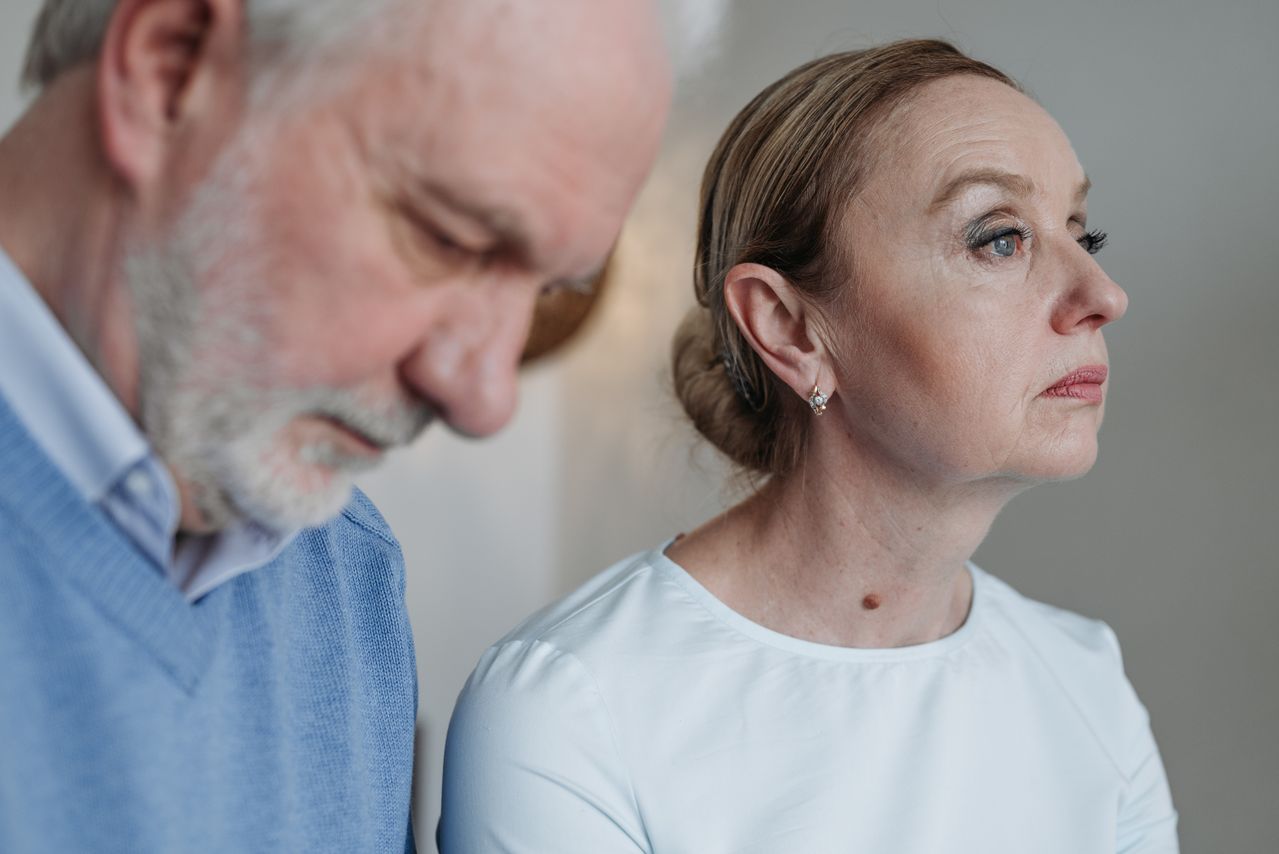
Loneliness can make romance feel urgently practical. The National Institute on Aging lists living alone, separation from friends or family and major life changes such as the death of a family member among circumstances that can increase social isolation. Dating can therefore become a shortcut to rebuilding an entire social life around one person.
A woman may eventually realize that she was recruited to fill every quiet space in a man’s life before either person figured out whether they actually suited each other. Companionship can be a legitimate reason to date, but using romance as the entire answer to loneliness puts an unreasonable amount of weight on the relationship.
Comparing every woman with the late wife
Some widowers quietly turn their deceased wives into impossible standards. Kate M. Bennett, Lauren Arnott and Laura K. Soulsby found this issue in interviews with 60 older British widowers, with some men openly describing their late wife as an ideal and expressing uncertainty about starting a new relationship because of those comparisons.
The problem is bigger than occasionally remembering a spouse. Nobody can compete with a relationship whose difficult arguments, boring Tuesdays and unresolved irritations have disappeared from daily life. A new woman can end up being evaluated against a polished memory while being expected to behave like a completely different person.
Looking for a replacement homemaker
Research using the Changing Lives of Older Couples study found that late-life widowhood was associated with an increase in men’s housework, suggesting that some men had to take on more domestic work after their wives died.
That fact makes a particular dating mistake especially uncomfortable. A widower who starts looking for someone to cook, clean, organize appointments, maintain the home and provide emotional companionship may be searching for domestic replacement services with romance attached. A girlfriend is unlikely to enjoy discovering that the empty chair at the dinner table came with an invisible job description.
Letting adult children become the dating committee
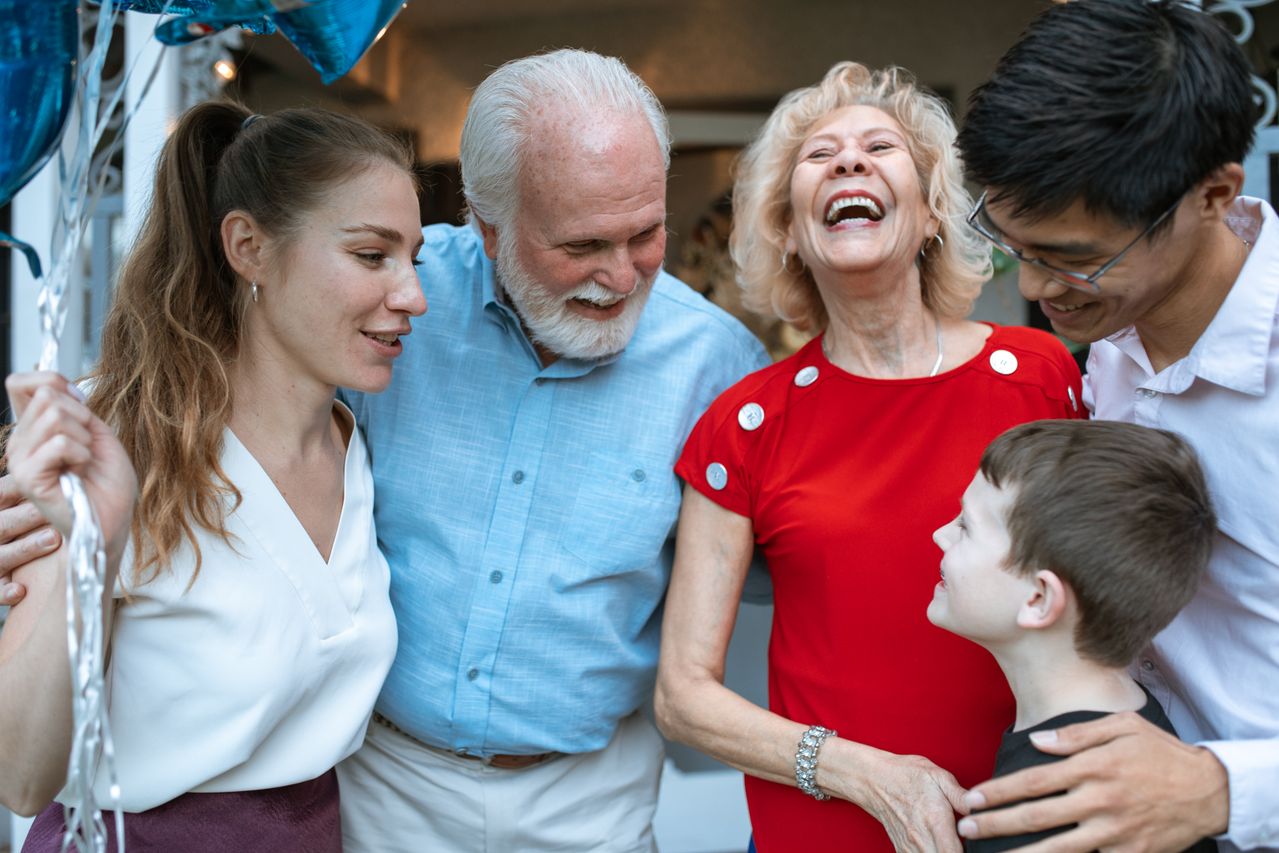
Adult children can have complicated feelings about their father’s new relationship, particularly when the loss is recent. Deborah Carr and Kathrin Boerner analyzed prospective data from the Changing Lives of Older Couples study. They found that widowers interested in dating six months after their spouse’s death reported lower support and higher conflict with their children.
The effect depended heavily on the quality of the parent-child relationship before the death.
That creates a problem when a widower hands his children effective veto power over his romantic life. Their concerns can matter enormously, especially around family finances or major changes at home, but a girlfriend should not have to audition for adult children’s approval before being treated as a legitimate partner.
Related Post: What Widowed Women Say About Dating Again After 60
Pretending the grief has disappeared
A widower can be ready to date while still carrying a powerful connection to the person who died. A 2024 study by Tabea Wolf, Lisa Nusser and Philippe Cappeliez examined 309 bereaved adults across two samples and found that people continued to use reminiscence to maintain intimacy with deceased loved ones. The researchers described continuing bonds as part of how people negotiated loss after bereavement.
Trying to hide that history can make a new relationship stranger than acknowledging it would. The new partner may eventually encounter photographs, anniversaries, possessions, family traditions or stories she never knew existed. Silence turns ordinary grief into something she has to discover piece by piece.
Treating online dating like 1985
Some widowers return to dating after decades away and underestimate how much the mechanics have changed. Pew Research Center reported that 17% of Americans 50 and older had ever used a dating site or app, while 47% of older online daters said they had encountered someone they thought was trying to scam them. Among older users, 45% reported experiencing at least one unwanted behavior on a dating platform.
The mistake is assuming that marriage experience makes someone experienced at digital courtship. A widowhood comeback often requires learning how profiles work, how quickly people communicate, how identity gets presented online and how easily strangers can manufacture intimacy through a screen. A man who treats an app like a digital newspaper personal ad can walk into a completely different social environment without noticing.
Letting trust arrive faster than evidence
The emotional hunger for companionship can make suspicious behavior look romantic. AARP Research reported in February 2026 that nearly one in 10 adults over 50 had experienced an online romantic approach that eventually involved a request for money or encouragement to invest in cryptocurrency. Sixteen percent said they or someone they knew had lost money to a romance scam.
Widowers deserve particular attention here because the desire for another close relationship can make rapid intimacy feel flattering. A stranger who immediately becomes intensely attentive may be exploiting exactly what makes the widower feel understood. Sending money, sharing financial information or making investments for someone known primarily through romantic communication turns affection into a financial gamble.
Rushing toward marriage without checking the financial consequences
Marriage later in life can change financial arrangements unrelated to romantic feelings. The Social Security Administration says a surviving spouse who remarries before age 60 generally cannot receive survivor benefits on the deceased spouse’s record while that later marriage continues, with specific exceptions. Remarriage after age 60 is treated differently under the program.
That makes an impulsive proposal more consequential for an older widower than it might appear over dinner. Survivor benefits, retirement income, property, estate documents and existing family obligations can all enter the picture. Romance does not suspend government rules or financial paperwork.
Related Post: 64% of Men Remarry Fast After Divorce to Escape Isolation in Later Years
Assuming every serious relationship needs to become a marriage
Widowers sometimes inherit a very specific picture of what commitment is supposed to look like: date, move in, marry and recreate the structure that existed before the loss. Census Bureau data show that older Americans have varied marital histories, with some having married twice or more and others remaining outside marriage.
That matters because a second relationship does not have to duplicate the architecture of the first. Two people can build commitment around companionship, separate homes, shared routines or marriage depending on their circumstances. Treating the wedding as proof that the new relationship is legitimate can turn a complicated human relationship into another box to check.
Expecting the second relationship to feel exactly like the first
The first marriage may have been built around young adulthood, raising children, mortgages, careers and decades of shared history. A later relationship arrives under completely different circumstances, and trying to recreate the original emotional script can leave both people trapped in someone else’s story.
Chaya Koren’s research on 19 older couples who entered new relationships after widowhood or divorce found that love in late-life relationships took several forms and could shift across phases, including companionship, affection and caring. The couples studied included people living apart together, cohabiting and remarried, showing that late-life relationships can take different structural forms.
That may be the hardest lesson for a widower who has already had a long marriage. The goal of dating again is not to find a woman who can reproduce a vanished life down to its routines and emotional texture. A second relationship has to make sense on its own terms, with room for the dead spouse’s place in history and the living partner’s right to have a life that belongs to her too.
Other Posts You May Like
- Why More Older Couples Are Choosing to ‘Live Apart Together’
- 9 Things Women Over 50 Say They’re Done Tolerating in Dating
If you like what you just read, then subscribe to our newsletter and follow us on social media.


