

The post 9 Things People Born in the 1950s Remember About Their First Day of School first appeared on Crafting Your Home.
Your shoes are polished, your pencils are freshly sharpened, and you are holding a lunchbox or maybe a paper sack as you approach a classroom door. A teacher welcomes you inside. Rows of desks, a blackboard, children you do not know, and the uneasy realization that whoever brought you here is about to leave.
For Americans born in the 1950s, a first day of kindergarten or first grade generally came sometime between the mid-1950s and the mid-1960s, depending on birth date, local enrollment rules, and whether kindergarten was even available.
Not every child had the same experience. Schools differed by region, income, race, religion, and whether a family lived in a city, suburb, or rural community. Still, some small first-day details may feel instantly familiar.
You Wore Something Chosen for the Occasion
For many families, the first day of school deserved special clothes. Maybe someone straightened your collar, smoothed your dress, checked your socks, or warned you not to scuff your shoes before you reached the building.
What counted as “school clothes” varied enormously. Some children wore hand-me-downs. Others had a new outfit bought specifically for the occasion. At Catholic schools, uniforms might be part of the experience.
The Smithsonian holds a navy-and-white Catholic school uniform typical of the early 1960s, along with books students used in Washington, D.C. It does not represent every school, but it captures something many people remember: looking unusually neat because the first day felt important.
Getting There Felt Like an Adventure

Even a familiar neighborhood could feel different when you were traveling to school for the first time. Some children walked with a parent, older sibling, or group of neighborhood kids. Others climbed onto a school bus. In rural areas, the ride could be long. In cities, the school might be only a few blocks away.
But the route to school was not simply a matter of geography. Before and during school integration, race could determine which school a child could attend and how far that child had to travel.
The Library of Congress recounts how Linda Brown had to walk six blocks just to reach the bus that took her to an all-Black school in Topeka, Kansas. So while many people remember “walking to school,” that memory could mean very different things depending on who you were and where you lived.
Saying Goodbye Was the Hard Part
For some children, the most unforgettable moment came before the first lesson even began. A parent might linger at the classroom entrance while the teacher encouraged you to come inside. Some children were eager to explore. Others suddenly decided that staying home sounded much better.
That nervous goodbye is timeless, but for some children in this era, walking through a school door carried far greater weight. On November 14, 1960, six-year-old Ruby Bridges entered William Frantz Elementary School in New Orleans, escorted by federal marshals as she helped integrate the school.
Her experience was extraordinary, but it reminds us that a “first day” in the 1950s and 1960s did not mean the same thing for every American child.
Your Lunch Had Its Own Container
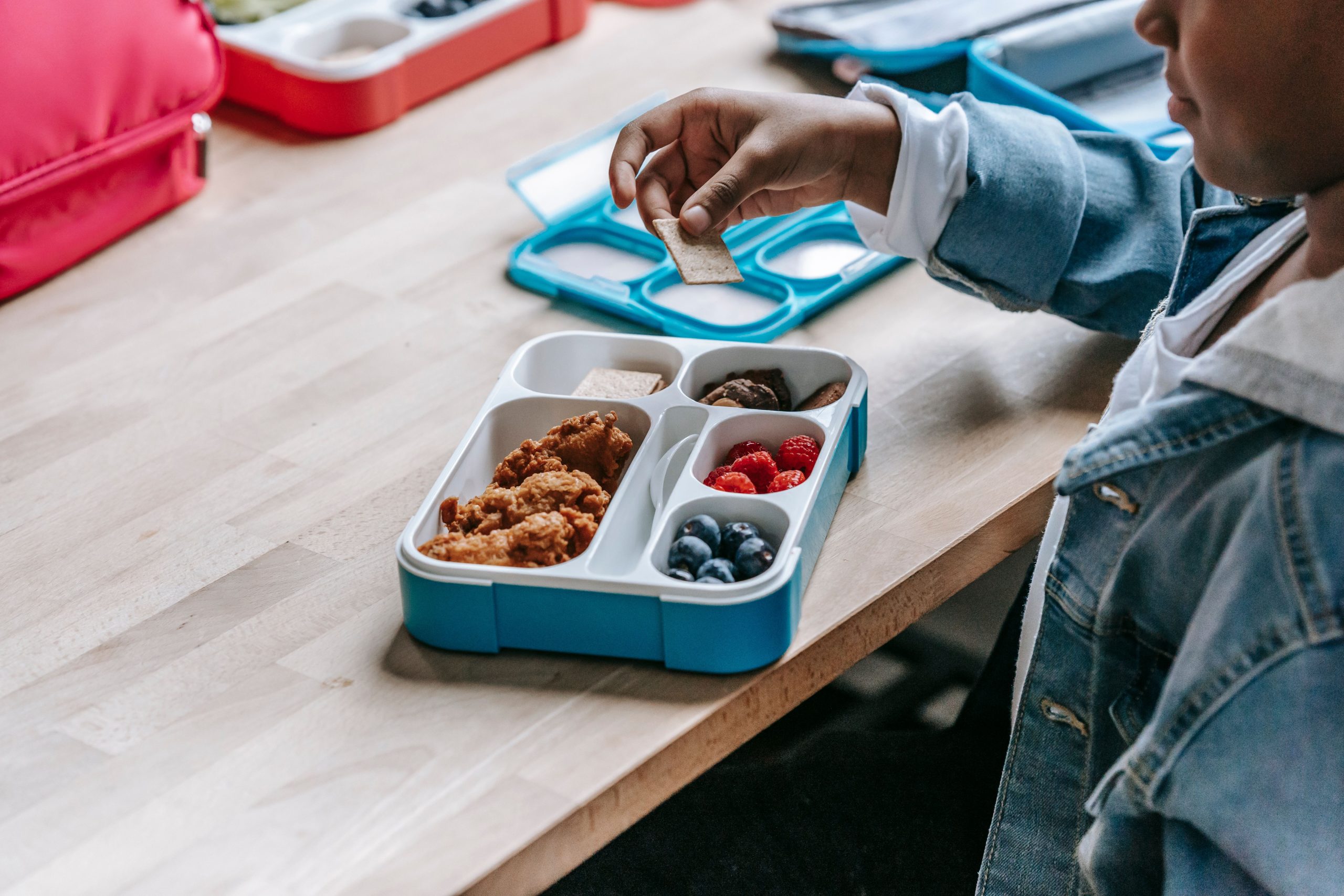
A lunchbox could feel like a small badge of independence. You carried your own meal, kept track of it until lunchtime, and opened it without someone at home doing it for you.
Metal character lunchboxes were certainly part of the era. The Smithsonian, for example, has a Roy Rogers metal lunchbox made by Thermos in 1958. Not everyone had one.
Some children brought food in a paper sack, while others ate a meal the school provided. A child with a plain sandwich wrapped in wax paper had just as authentic a school experience as one carrying a brightly decorated lunchbox. Still, for those who had one, the snap of the metal latch can be an unusually powerful memory.
A Few Simple Supplies Felt Important
A freshly sharpened pencil could make a child feel completely prepared for school. Crayons, a ruler, an eraser, paste, and perhaps a pencil box might be among the small supplies brought from home or provided in the classroom.
The Smithsonian’s education collections include pencil boxes typical of the 1960s and note that children used many different containers for their supplies. What a student carried depended partly on what the school required and what a family could afford.
Compared with modern school-supply lists, the collection might seem simple. But to a five- or six-year-old, a new box of crayons or a pencil with an untouched eraser could make the first day feel official.
You Took In the Whole Classroom

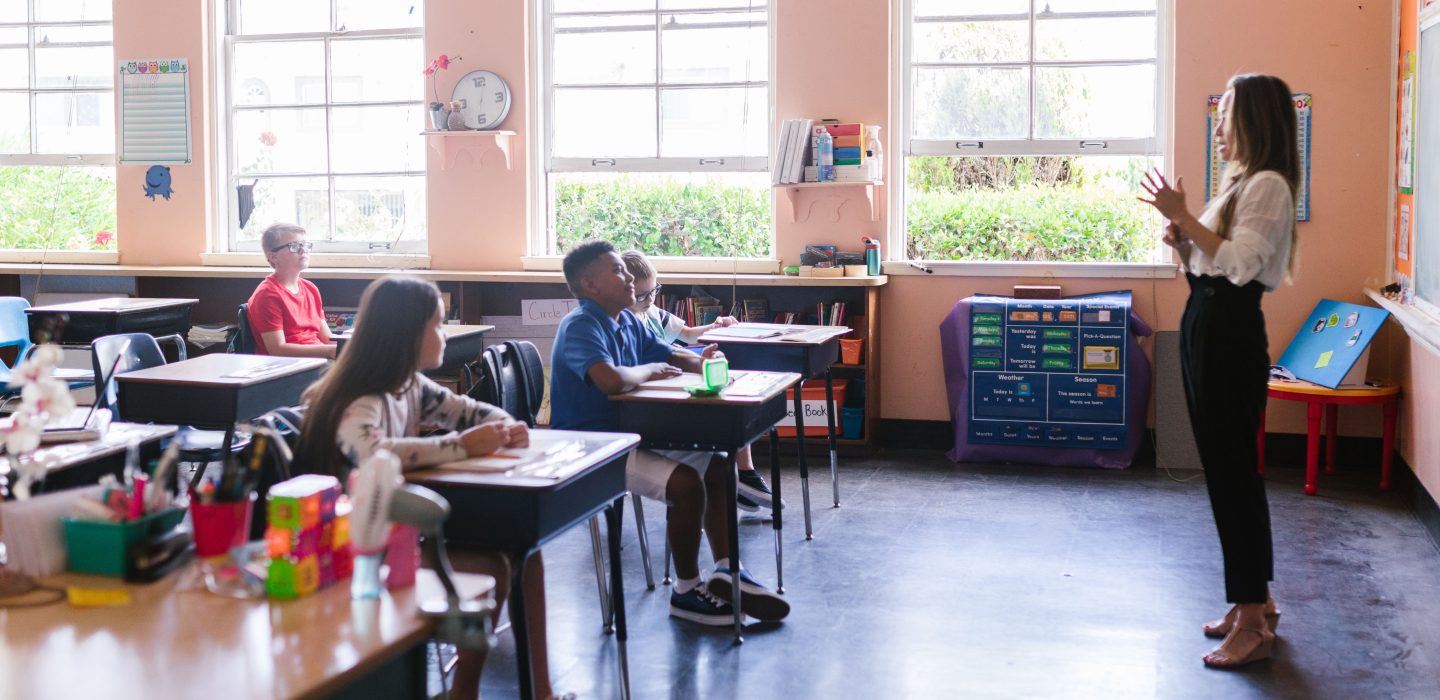
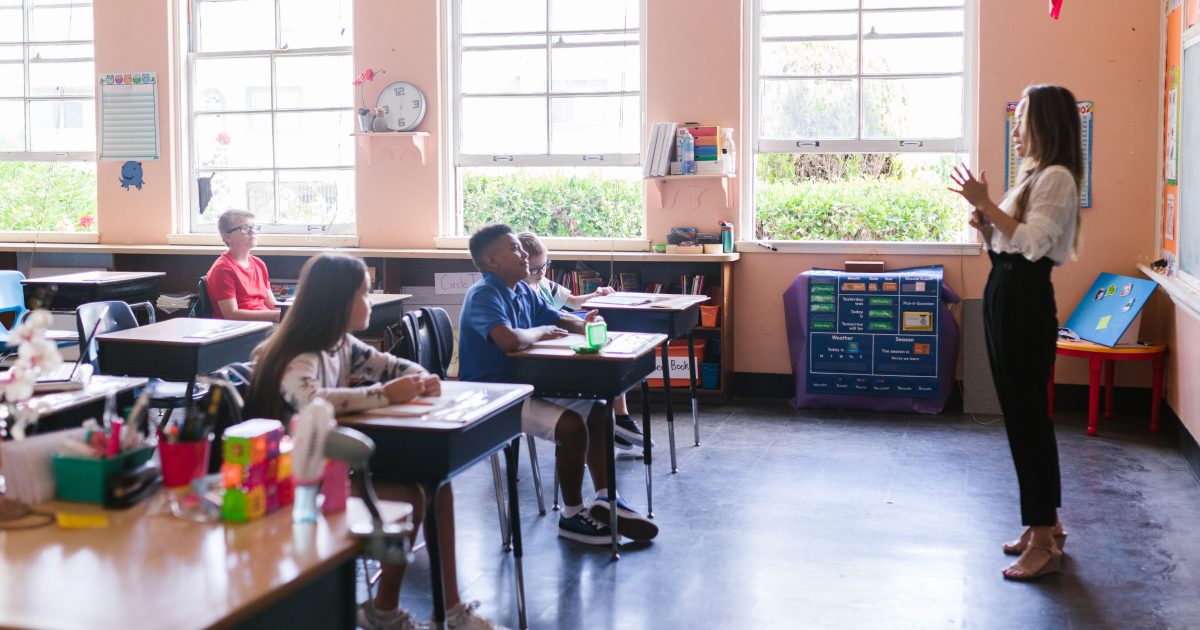
Before focusing on the lesson, you probably noticed the room itself. The teacher had a place at the front. A large blackboard dominated one wall. Desks might be arranged in rows, and alphabet cards, maps, artwork, or classroom rules could be displayed nearby.
To a child who had never spent a full day in school, the room could seem enormous. A Smithsonian collection item depicting a Tennessee country classroom in 1960 shows students seated in rows while a teacher works an arithmetic problem on the blackboard. No single picture represents every classroom, but the scene captures an arrangement many former students recognize immediately.
You Learned How the School Day Began
The first morning was partly a lesson in routine. Where should your coat go? When were you supposed to sit down? What happened when the teacher entered? Were you expected to stand, sing, or recite something?
In some American classrooms, the Pledge of Allegiance formed part of the morning routine. Children entering school in the late 1950s learned a slightly different version than earlier generations because the words “under God” were added in 1954.
Practices varied from school to school, and not every classroom followed the same schedule. But learning the day’s rhythm was one of the first lessons school taught.
The Teacher Explained the Rules
You may remember learning to raise your hand before speaking, stand in line, wait your turn, or ask permission before leaving your seat. For a child on the first day, even simple instructions could seem very serious.
It is easy to look back and say that every teacher was strict or every child sat silently, but classrooms were no more identical then than they are now. Some teachers were formal. Others were warm and reassuring. The important memory may simply be realizing that the classroom had its own rules and that, for several hours each day, someone other than your parents was in charge.
Lunch Made the Day Feel Very Long
By lunchtime, the morning excitement may have started to fade. You might finally open that metal lunchbox, unwrap your sandwich, or discover what the cafeteria was serving. School meals were already an established part of American education. The National School Lunch Act had been passed in 1946, and the federal Special Milk Program began in 1954.
That does not mean every student ate a hot lunch or drank milk at school. Programs and schedules varied, and many kindergarten classes were only half-day sessions. Still, lunch often became an emotional milestone. If you could make it to lunch, you were already halfway to going home.
The first day of school rarely survives in memory as a complete schedule. Instead, people remember fragments: the smell of crayons, chalk dust on a blackboard, the feel of a new pencil, a lunchbox handle in one hand, or the moment a parent disappeared down the hallway.
School experiences in the 1950s and 1960s were far from identical, and the opportunities available to children could differ profoundly. But one part still feels familiar decades later.
That combination of excitement, nervousness, curiosity, and uncertainty is still what makes the first day of school feel so big when you are small. This version preserves the historical framing and the important differences in school experiences reflected in your source draft.
Other Posts You May Like
- as-england-bans-fried-foods-in-schools-to-curb-obesity-america-turns-to-glp-1s-for-teens
- the-unofficial-rules-of-life-we-learned-from-school
If you like what you just read, then subscribe to our newsletter and follow us on social media.


