

The post Do Couples Really Start to Look Alike? What Science Actually Found first appeared on Crafting Your Home.
You have probably noticed it before: an older couple sitting together at a restaurant, walking through a neighborhood, or appearing in a family photo. They may share similar smiles, similar expressions, or even similar styles. Someone eventually says, “They look like they were made for each other.”
The idea that couples start to look alike after years together has been around for generations. It is a romantic thought that love, shared experiences, and a lifetime of memories can slowly shape two people until they begin to resemble each other. But what does science actually say?
The answer is more complicated than the popular saying suggests. Research shows that many couples may already share certain similarities when they first meet. Over time, shared habits, lifestyles, expressions, and experiences can make partners appear even more alike.
However, scientists have not found strong evidence that couples’ facial structures gradually change until they become increasingly similar. Instead, the resemblance people notice may come from a mix of existing similarities, shared environments, and how humans interpret faces.
Research Suggests Many Couples Already Resemble Each Other
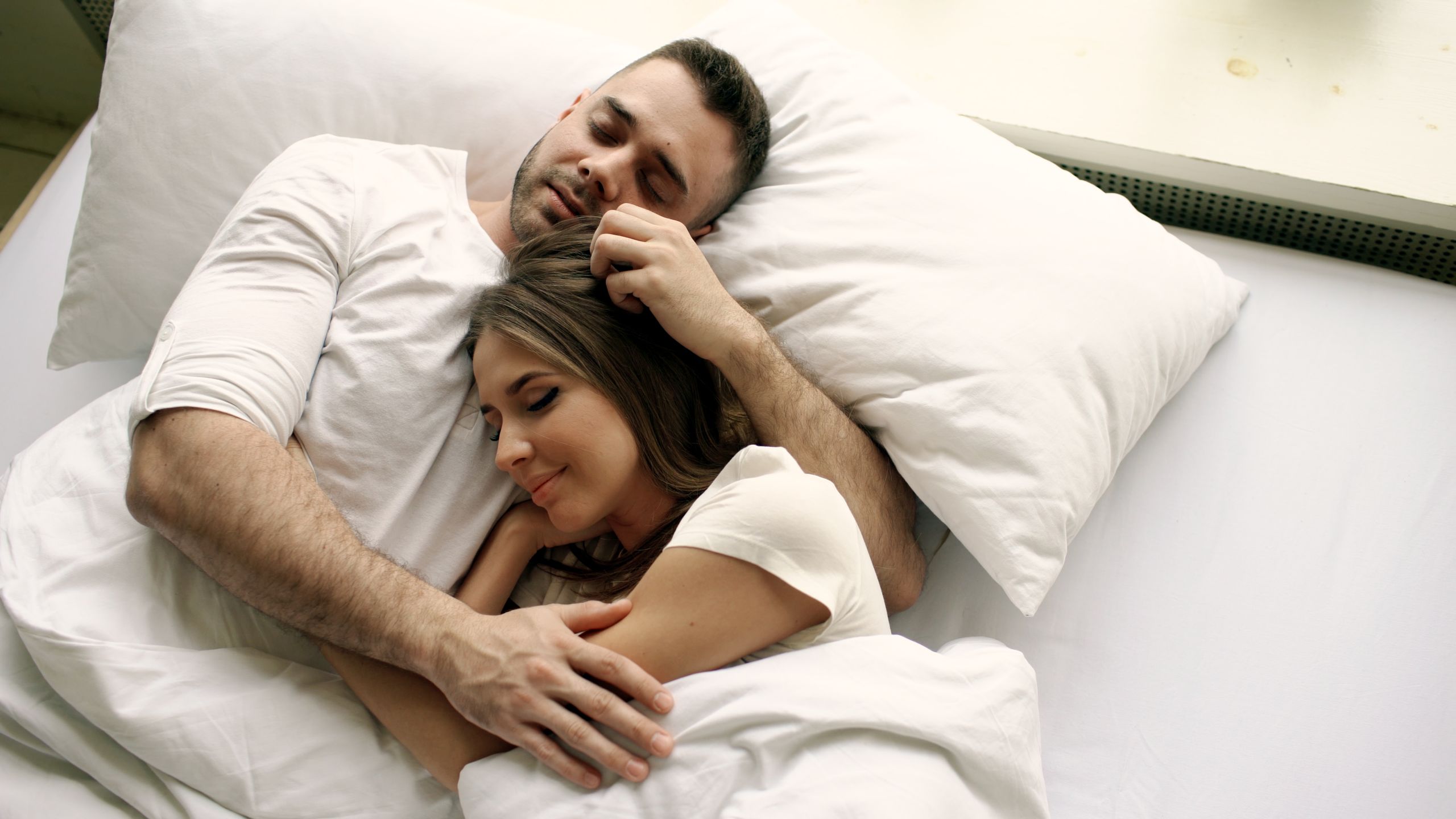
One reason people believe couples become look-alikes is that many long-term partners really do seem similar. Scientists describe this pattern as assortative mating or homogamy. This means people often form relationships with others who share certain characteristics, including age, education, cultural background, lifestyle, and sometimes physical appearance.
This does not mean people consciously search for someone with the same facial features. Attraction depends on many factors, including personality, values, social connections, and life circumstances. However, people often meet potential partners in environments where similarities already exist.
People are more likely to connect with someone from a similar community, workplace, school, or social group. Those shared environments can create natural similarities in clothing choices, communication styles, interests, health habits, and even general appearance.
A major modern study investigating whether couples become more similar over time found something surprising. Researchers found that spouses often resembled each other more than random pairs at the start of marriage, but they did not become increasingly similar in facial structure after decades together.
This suggests that some of the resemblance people notice may have existed before the relationship began. The popular idea is not completely wrong; couples can look alike, but the reason may have less to do with love transforming their faces and more to do with why certain people choose each other in the first place.
The Study That Made the “Couples Look Alike” Idea Famous
The belief that couples physically grow to resemble each other became widely known because of a 1987 study led by University of Michigan psychologist Robert Zajonc and researchers Pamela Adelmann, Sheila Murphy, and Paula Niedenthal.
The researchers examined photographs of 12 married couples taken when they first married and again approximately 25 years later. People viewing the photographs judged some couples as appearing more similar after many years of marriage. Researchers suggested that shared experiences might influence appearance over time. Their explanation was based on the idea that couples share many parts of daily life.
They eat together. They experience stress together. They laugh together. They respond emotionally to situations in similar ways.
Over decades, those repeated experiences could potentially influence facial expressions, wrinkles, and other visible signs of aging. The idea was fascinating because it suggested that a shared life could leave a visible mark on two people.
However, the study had important limitations. The sample was extremely small, involving only 12 couples. In addition, the results were based on people judging photographs, and those judgments can be affected by factors such as hairstyle, glasses, clothing, lighting, facial expressions, and the expectation that married couples should resemble each other.
Because of these limitations, researchers needed larger studies to determine whether the effect was real.
A Larger Study Changed How Scientists Understand Couple Resemblance
In 2020, researchers Pin Pin Tea-makorn and Michal Kosinski revisited the question using a much larger group of couples. Their study examined 517 married couples and compared photographs taken early in marriage with photographs taken many years later. The marriages ranged from 20 to 69 years, with an average length of about 49 years.
The researchers used two different approaches. Participants compared faces to determine whether spouses looked more similar than strangers. They also used facial-recognition technology to analyze facial features mathematically. The findings were surprising.
The couples did appear more similar than random pairs when they were first married. But after decades together, their facial resemblance did not significantly increase. This changed the way researchers viewed the phenomenon.
Instead of couples slowly transforming into physical copies of each other, the evidence suggests that many partners may begin relationships with certain similarities already in place. That does not mean living together has no influence. Couples can still affect each other’s appearance in many ways through shared routines and lifestyle choices.
For example, partners often share meals, exercise habits, sleep schedules, and health behaviors. These shared experiences can influence weight, energy levels, grooming, and overall appearance. Research has found that spouses often resemble each other in certain health-related traits because they share environments and behaviors. The difference is that lifestyle changes are not the same as two faces becoming biologically identical.
Why Couples Can Still Seem Like They Look Alike
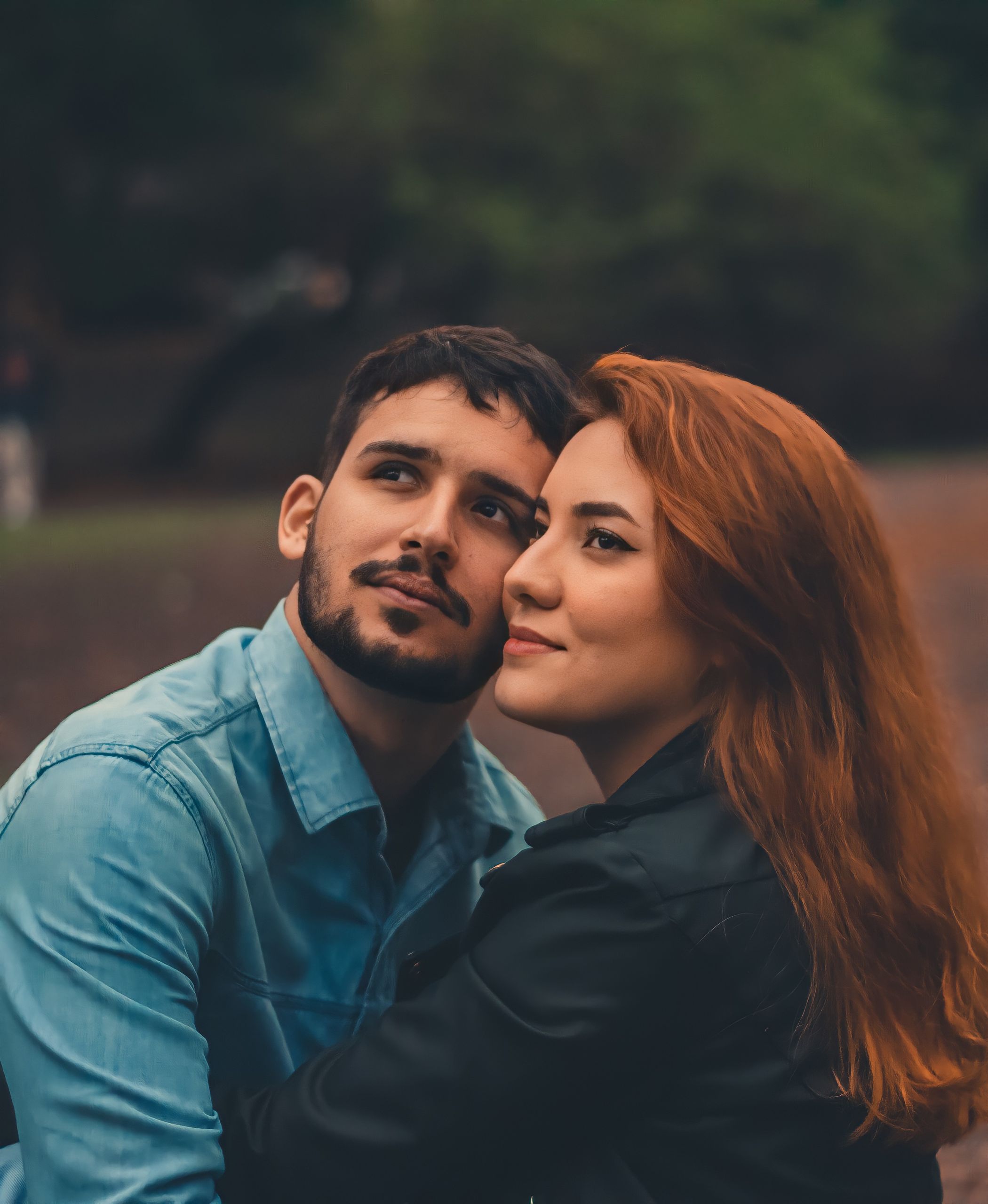
Even when couples do not physically transform into each other, they can develop similarities that are easy for others to notice. One reason is emotional expression. People naturally copy the expressions and behaviors of those around them. Partners who spend many years together may develop similar smiles, gestures, posture, and reactions.
A couple who laughs the same way or shares similar expressions may look more alike in photographs, even if their facial features differ. Researchers describe this as facial mimicry, the tendency for people to reflect others’ expressions. While this may influence how couples appear in everyday situations, scientists have not found strong evidence that it permanently reshapes facial structure.
Another factor is what researchers call the “same vibe” effect. When people look at faces, they notice more than physical details. They also quickly judge personality, age, warmth, confidence, and mood. A couple may appear similar because both people seem calm, energetic, serious, playful, or warm.
A 2018 study found that couples were often perceived as more similar in personality and age, suggesting that people may notice shared characteristics beyond simple facial features. The human brain is naturally designed to recognize patterns. Once people know two individuals are partners, they may become more likely to notice similarities between them.
Shared Lives Create Similarities, Not Identical Faces
The idea that couples “start looking alike” contains some truth, but science shows the reality is more subtle. Partners may appear similar because they were already alike in certain ways when they met. They may also become more alike through shared habits, lifestyles, emotional patterns, and experiences.
But research does not support the idea that years of marriage reliably reshape two people’s faces into physical look-alikes. Perhaps the strongest resemblance between couples is not found in their eyes, smiles, or facial features. It lies in how they communicate, support each other, and move through life together.
Two people do not need matching faces to have a strong connection. Sometimes what makes a couple look alike is not their appearance at all; it is the story they have created together.
Other Posts You Might Like
- couples-are-reclaiming-their-own-corners-of-life-and-its-not-about-sleeping-apart
- couples-are-recently-redefining-quality-time-and-finding-connection-in-the-small-moments
- why-some-couples-stop-sharing-the-little-details-that-once-made-them-feel-close
If you like what you just read, then subscribe to our newsletter and follow us on social media.


