
The post September Is the Month to Give Your Garden a Second Act: Here’s What to Plant Now first appeared on Crafting Your Home.
Just because tomatoes and peppers are winding down doesn’t mean the growing season is over. According to university extension experts, September is actually prime time for a second round of planting, one built around crops that genuinely prefer cooler weather over summer heat.
Here’s how to figure out what you can still plant, and what to actually put in the ground.
The Math Behind Fall Planting Is Simple, But It’s Not Optional
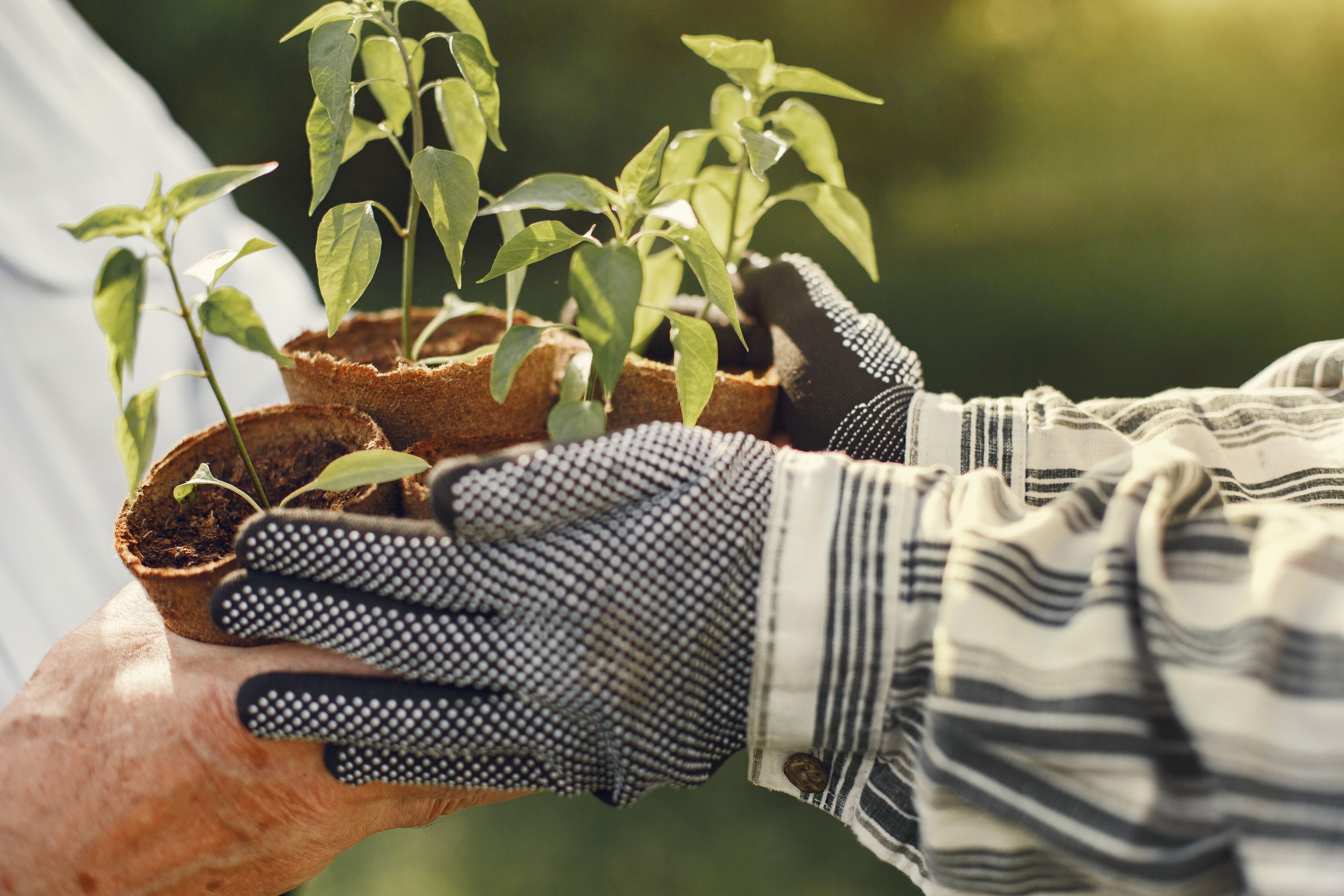
Unlike spring planting, where the goal is avoiding a late frost, fall planting works in reverse. According to Iowa State University Extension, gardeners need to work backward from their area’s average first frost date, since a crop planted too late won’t have enough time to mature before cold weather damages it. At the same time, one planted too early can struggle in lingering summer heat.
The formula itself is straightforward. According to Virginia Cooperative Extension, gardeners should start with a crop’s days to maturity, printed on the seed packet, then add in the average harvest period, since a full crop usually isn’t picked in a single day. Extension guidance recommends adding an extra buffer of roughly two weeks on top of that, since growth naturally slows as daylight and temperatures drop through September and October.
Colorado State University Extension puts a real number behind this for the Denver area, where the average first fall frost lands around October 11. A crop needing 60 days to mature, planted in mid to late summer, would be expected to reach harvest right around the time the weather starts cooling in September, which is exactly the timing extension experts recommend working backward from before choosing what to plant now.
Fast-Growing Crops Still Have Time in Most of the Country
Not every vegetable is out of the running this late in the season. According to gardening guidance based on these frost-date calculations, quick-maturing crops like radishes, spinach, and certain lettuce varieties can often still be direct-seeded into early September across much of the country, since they take relatively little time to reach harvest.
Colorado State University Extension lists specific days-to-maturity figures worth using as a general planning reference: spinach at around 40 days, radishes as fast as 30 days, lettuce around 60 days, and endive around 45 days. Slower crops, meanwhile, need to already be well underway as transplants by September rather than started from seed, since crops like broccoli, at roughly 65 days to maturity, or cabbage, which can take 85 days, require considerably more lead time.
Cool-Season Crops Actually Prefer This Weather
Part of what makes fall planting worthwhile is that many vegetables perform better in cooler conditions than in summer’s heat. According to HarvestToTable, cool weather vegetables including beets, carrots, parsnips, salad greens, and members of the cabbage family, such as kale, collards, and Brussels sprouts, are considered hardy crops specifically because they can tolerate a light frost, and in many cases can even survive temperatures dipping into the mid-20s.
There’s a flavor bonus, too. According to the National Gardening Association’s Garden.org, several cool-season vegetables taste noticeably sweeter after a light frost, since cold temperatures trigger some plants to convert stored starches into sugars.
A Real Example Makes the Math Easier
Working through an example makes this less abstract. According to HarvestToTable, if a garden’s average first frost lands around November 1 and a gardener wants to grow leaf lettuce that matures in 45 days, the math works out to counting back roughly 55 days once the extra buffer for slower fall growth is included, landing on a planting date somewhere around September 5 to 10.
That same logic applies to any crop on a seed packet. Look up the average first frost date for your specific region, usually available through a local Cooperative Extension office, and subtract the days to maturity plus a buffer of one to two weeks. That calculation gives you the latest reasonable planting date for that crop.
Not Every Crop Needs to Reach Full Maturity to Be Worth Growing
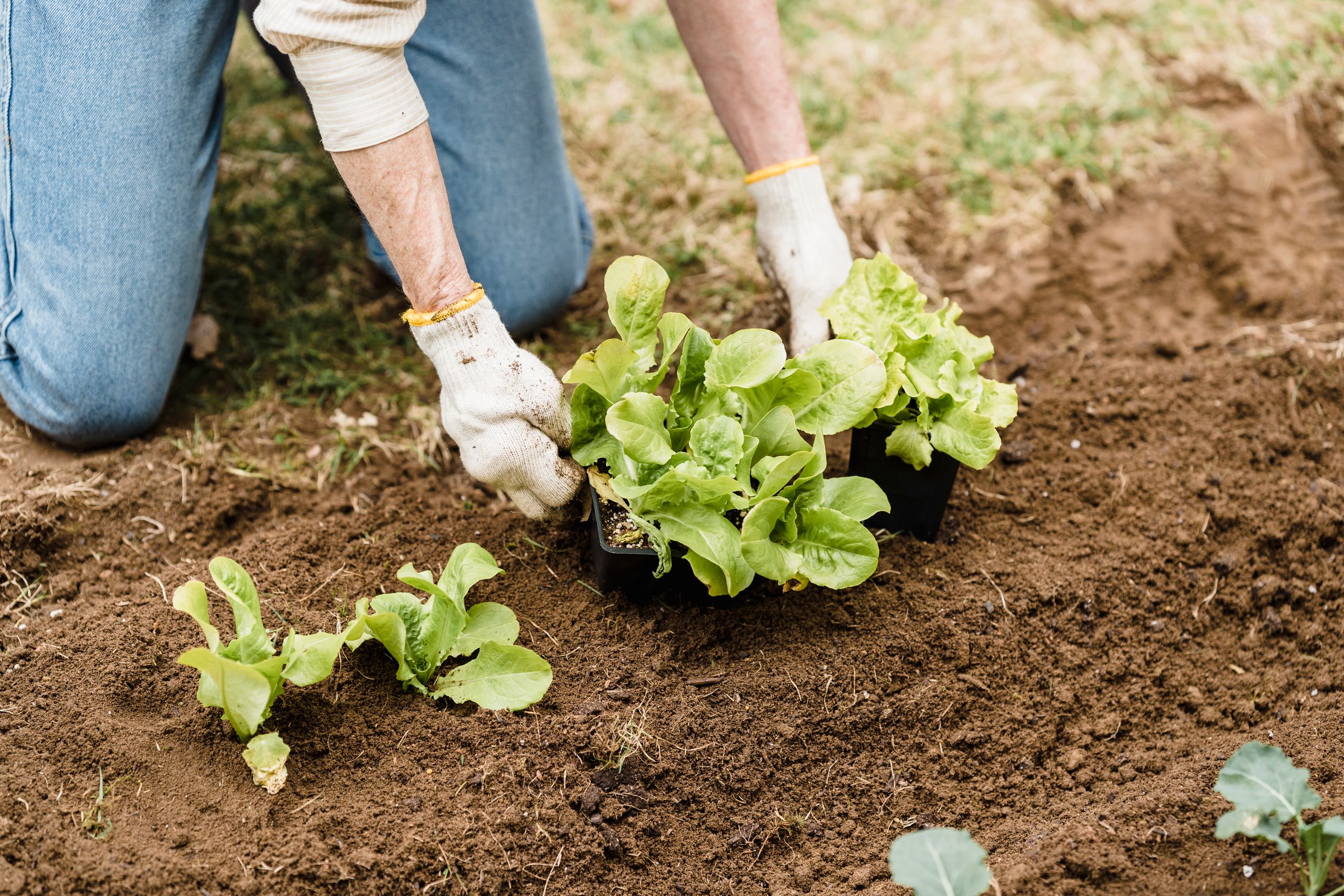
Remember that a fall garden doesn’t need to meet the same standards as a summer one. According to Vego Garden’s guidance on extending the growing season, fast-growing leafy greens, radishes, and Asian greens are especially well suited to September planting because they can be harvested at multiple stages, rather than requiring a single, all-or-nothing maturity date like a full head of cabbage.
Row covers and frost cloths can extend this window even further. According to the same guidance, these simple, inexpensive tools trap enough warmth to protect plants from light frosts, effectively buying a garden a few extra weeks of growing time beyond what the base frost date calculation would otherwise allow.
Related: does-a-pool-increase-a-homes-value
Why This “Second Act” Is Worth the Effort
None of this requires ripping out an entire garden or starting from scratch. According to Virginia Cooperative Extension, space left behind by fading summer crops like tomatoes, cucumbers, and early beans is exactly where a fall planting belongs, filling in gaps rather than requiring a full garden overhaul.
Given how many crops genuinely prefer the cooler days ahead, and how quickly some of the fastest-growing options can still reach harvest, September isn’t a wind-down month for a vegetable garden. According to the extension experts behind this guidance, it’s simply the start of the season’s second, and sometimes tastier, act.
Other posts you might like
- things-nobody-warns-you-about-before-buying-your-first-home
- six-things-homeowners-never-regret-buying
If you like what you just read, then subscribe to our newsletter and follow us on social media.