
This article was originally published on Crafting Your Home. A human contributor also wrote and edited the post.
You buy fresh strawberries, put them in the refrigerator, and expect them to last for several days. But before long, one berry develops a fuzzy patch, and suddenly the entire container seems ready for the trash.
If this happens often, the problem may not be the fruit. It could be how you’re storing it.
Don’t Wash Berries Right Away
Washing berries as soon as you get home is a smart way to keep them clean. However, excess moisture can make them spoil faster.
Food-safety experts recommend keeping strawberries, raspberries, blackberries, and blueberries unwashed until you are ready to eat them. Rinse them gently under cool running water just before serving.
If the berries are already wet, pat them carefully with a clean paper towel before refrigerating.
Keep the Refrigerator Cold
Store perishable fruit in a clean refrigerator at 40°F (4°C) or below, according to the U.S. Food and Drug Administration. A refrigerator thermometer can help confirm the temperature is cold enough.
Place cut fruit in a clean, covered container and refrigerate promptly. Fruit left in warm conditions can spoil faster, especially in hot weather.
Let Fruit Breathe
Avoid sealing damp berries inside an airtight container. Use the original ventilated packaging when possible, or place the berries in a clean container lined with a paper towel.
Do not crush or overcrowd the fruit. Air circulation helps reduce condensation, while tightly packed berries can spread moisture and mold from one piece to another.
Replace the paper towel if it becomes wet, and wash the container before using it again.
Inspect Fruit Before Storage
Take a moment to examine fruit before placing it in the refrigerator. Look for bruises, soft spots, leaking juice, or visible mold.
Remove damaged pieces immediately. One spoiled berry can touch several others, increasing the chance that mold will spread through the container.
Store fresh produce away from raw meat, poultry, and seafood to help prevent cross-contamination.
Should You Cut Off the Mold?
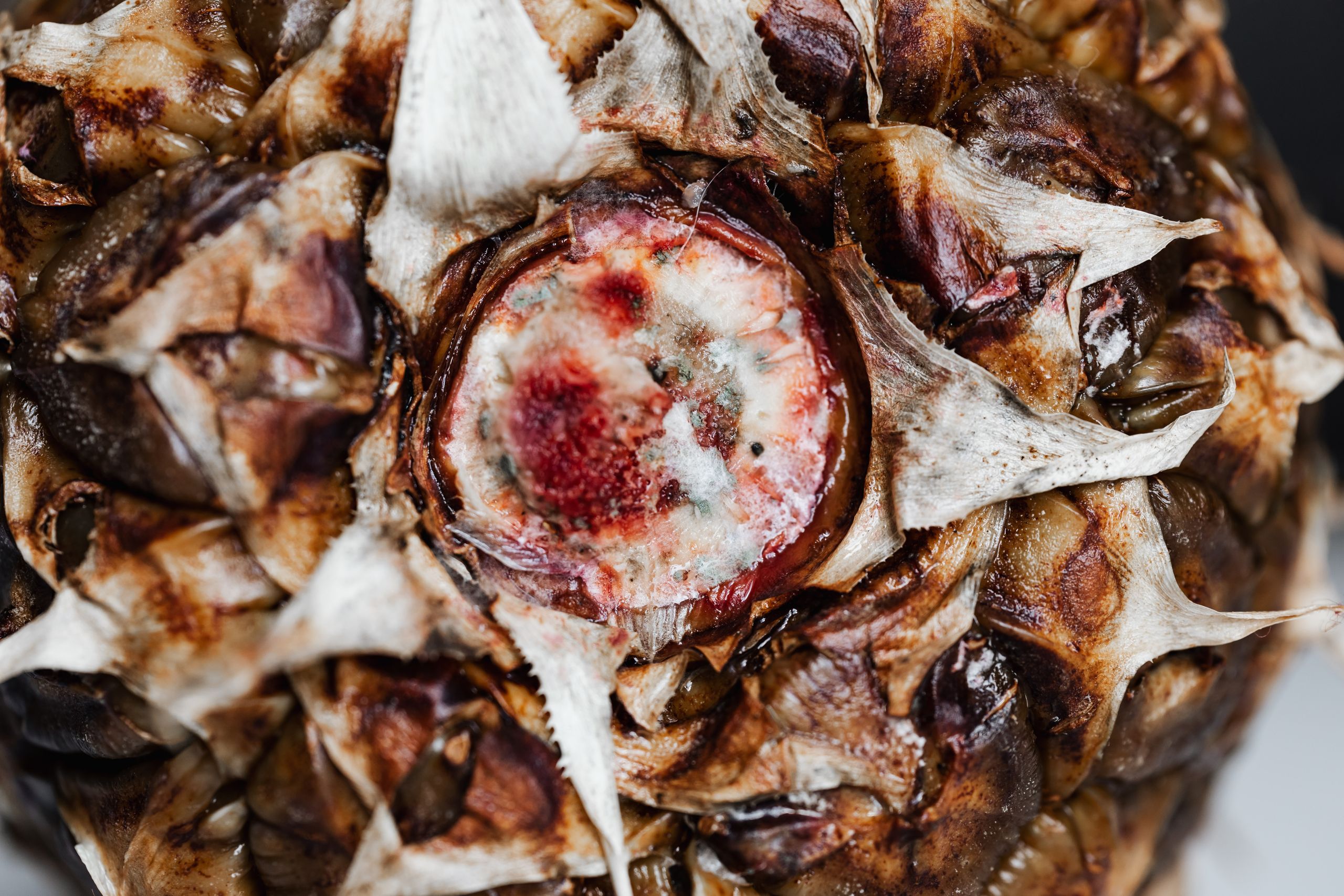
That depends on the fruit.
Throw away soft, high-moisture fruits such as berries, peaches, tomatoes, and oranges if they develop visible mold. Mold can spread beneath the surface, so cutting away the affected section may not make the rest safe.
Firm, low-moisture produce may sometimes be saved if the mold is limited. Guidance cited by Tufts recommends cutting at least one inch around and below a small mold spot on firm foods such as carrots, cabbage, and bell peppers.
When in doubt, discard the fruit. The FDA lists visible mold as a sign of spoilage.
Wash Fruit the Right Way
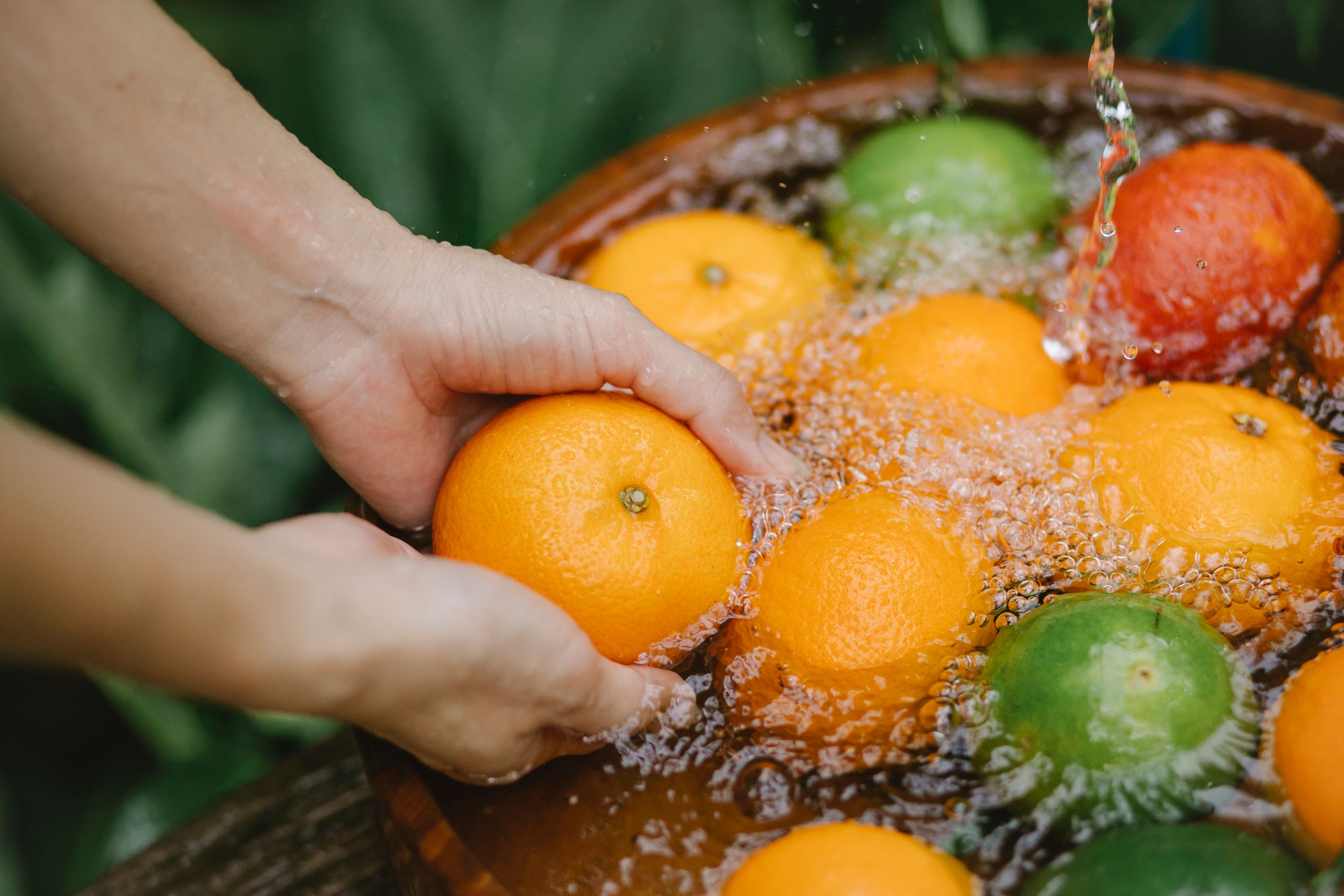
Wash your hands before handling fresh produce. Rinse fruit under clean, running tap water immediately before eating or preparing it.
Do not use soap, detergent, or commercial produce cleaners. These products are unnecessary and may leave residues on the fruit.
Even fruit with a peel should be washed before cutting. Dirt or bacteria on the outside can transfer to the inside when a knife passes through the skin.
A Simple Routine to Follow
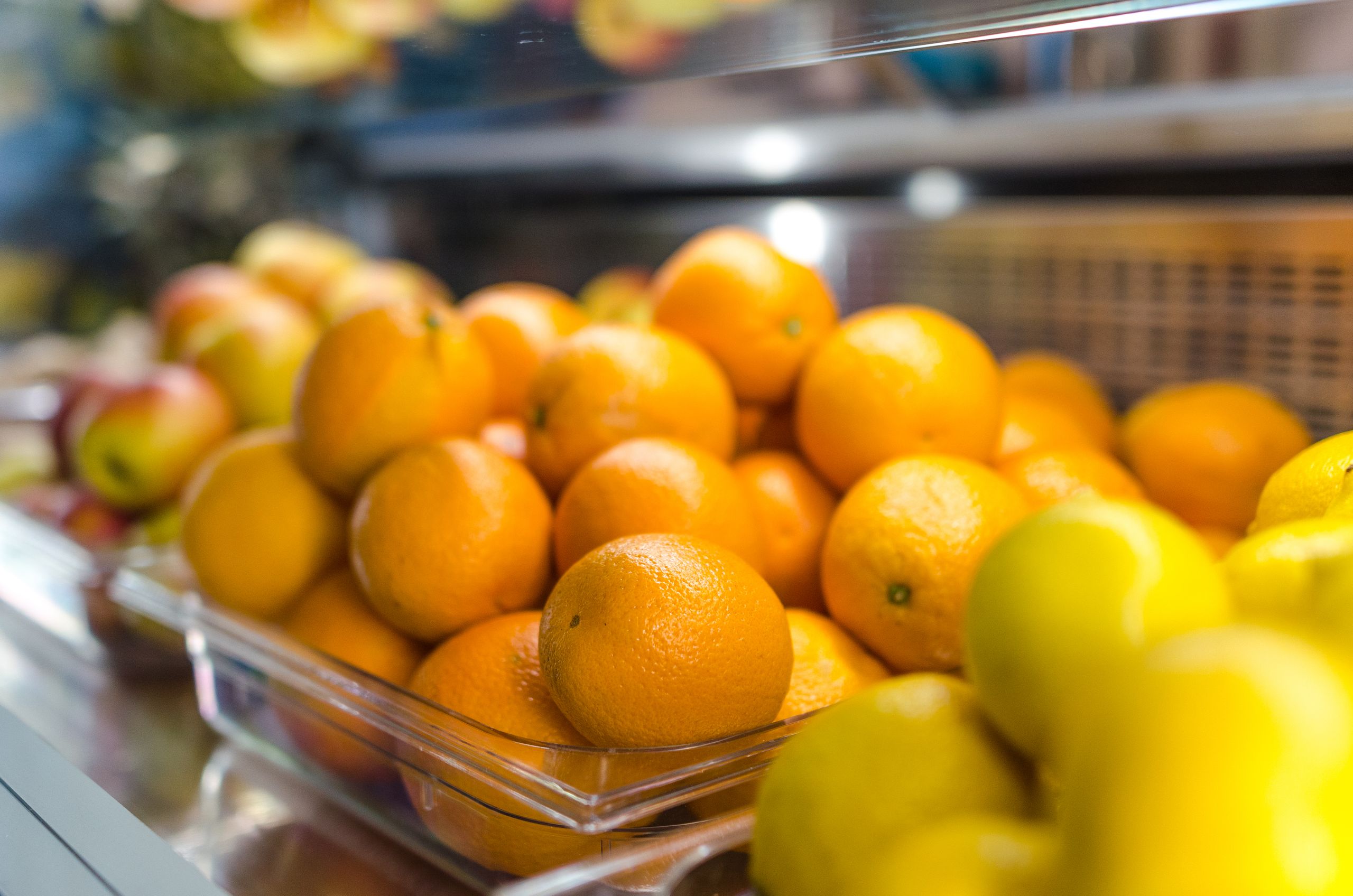
To help fruit last longer, choose produce that is free of bruises and mold. At home, remove damaged pieces, keep berries dry and unwashed, refrigerate perishable fruit promptly, and use clean containers.
Check your fruit every day or two and remove anything that begins to soften, leak, or smell unpleasant. This can help protect the remaining produce.
The Bottom Line
The best way to slow mold is to keep fruit cold, dry, and well-ventilated. Wash berries only when you are ready to eat them, and never ignore visible mold on soft fruit.
These habits take only a few minutes, but they can help your fruit stay fresh longer, reduce food waste, and save money on groceries.
Other post you might like:
- 4 Ways Your “Food Storage Routine” Is Slowly Emptying Your Wallet
- The Grocery Store Switch That Could Help Americans Cut Food Costs Without Giving Up Dinner at Home in 2026
If you like what you just read, then subscribe to our newsletter and follow us on social media