

The post Largest US Lettuce Outbreak in History Is Officially Over, CDC Says first appeared on Crafting Your Home.
The country’s biggest recorded cyclosporiasis outbreak has run its course. The Centers for Disease Control and Prevention declared the multistate illness tied to Taylor Farms de Mexico iceberg lettuce over on September 11, 2026, closing out a summer that pushed the parasite into headlines from coast to coast.
The final tally reached nearly 13,000 confirmed cases
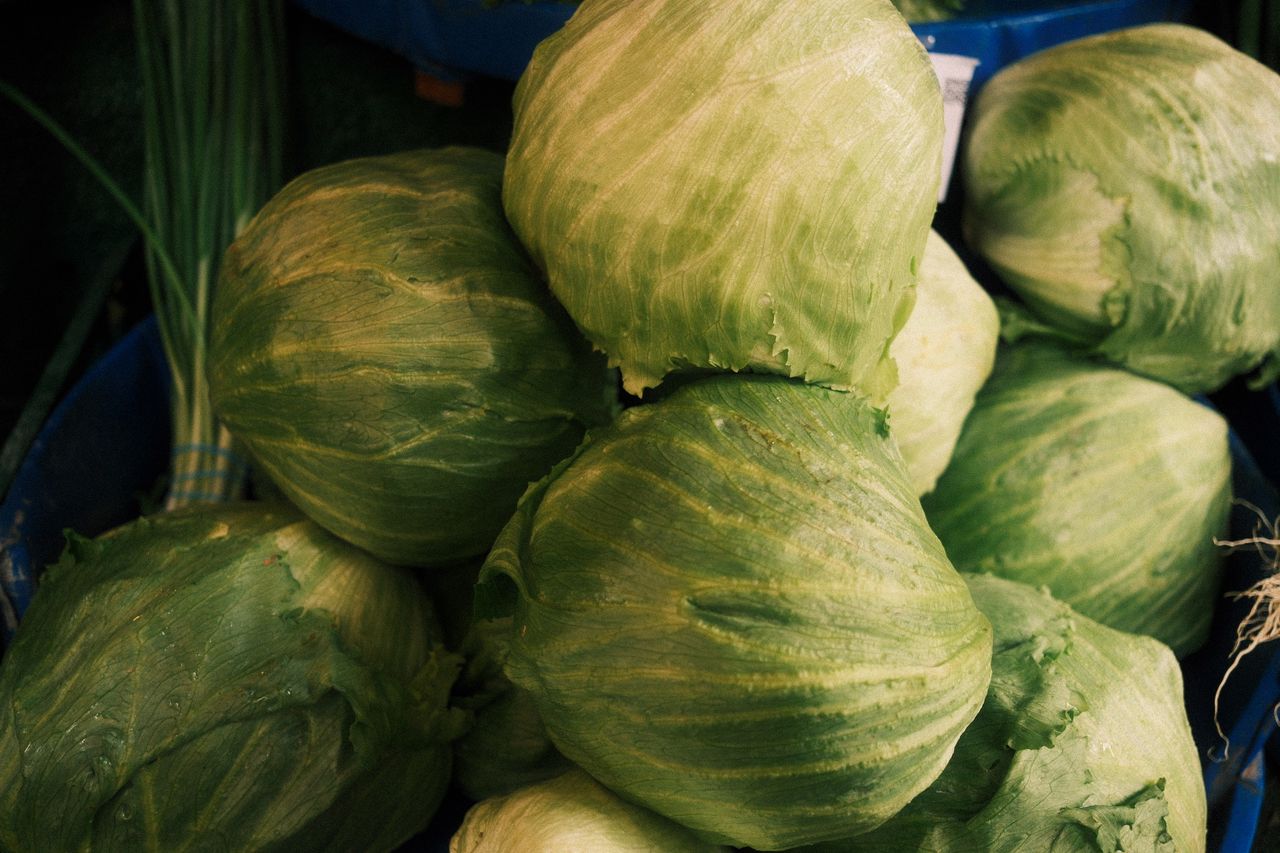
By the time the CDC closed the file, the outbreak had produced 12,883 laboratory-confirmed illnesses across 21 states, including 570 hospitalizations and two deaths. Both deaths occurred in Michigan, in patients the agency said had significant underlying health conditions. Virginia was the last state added to the case count before the declaration.
Illness onset dates ran from June 14 through August 17, a window of roughly ten weeks that captures how quickly the parasite moved once contaminated lettuce reached shelves and kitchens. Cyclospora cayetanensis, the microscopic organism behind the illness, typically produces symptoms about a week after exposure, though onset can come as early as two days or stretch past two weeks.
Investigators traced the contamination to a single Mexican supplier
The FDA and CDC first announced they were investigating a multistate Cyclospora cluster on July 16, 2026. Traceback data converged on a single processor within a day, pointing to iceberg lettuce grown and packed by Taylor Farms de Mexico. The company issued a voluntary recall of all iceberg lettuce sourced from central Mexico on July 17, pulling product from both retail shelves and foodservice supply chains.
Ingredient-level interviews with sick patients gave investigators an early signal before the traceback confirmed it. Roughly 90% of those interviewed reported eating iceberg lettuce before falling ill, which compiled CDC and FDA figures throughout the summer. That pattern narrowed the search well before the supplier was named.
A withdrawn lab result complicated the early investigation
Four days after the recall, the FDA disclosed that a Cyclospora-positive sample collected at the border had come back as a false positive and did not represent genuine amplification of the parasite. The agency withdrew that result but left the recall and the supplier link intact, since the epidemiological traceback and patient interview data pointed the same direction independent of the lab test.
Part of the difficulty traces to the parasite itself. Unlike Salmonella, Cyclospora cannot yet be genotyped through whole genome sequencing, a tool that has sped up outbreak detection for bacterial pathogens in recent years. Investigators instead leaned on case interviews, distribution records, and traditional epidemiology to close the gap.
Taco Bell’s lettuce supply put the outbreak on the public’s radar
Early illness clusters drew attention to lettuce served at Taco Bell locations, and the chain pulled lettuce from menus at some restaurants as the investigation unfolded. Taco Bell later dropped Taylor Farms as a supplier altogether. The FDA said the recalled lettuce reached foodservice and retail customers in 31 states, though ten of them, including New York and Florida, never had a confirmed illness tied to the outbreak.
The outbreak tapered because the parasite cannot spread person to person
Case counts tell their own story about how the outbreak wound down. At its peak, more than 1,000 new infections were reported in a single day. By August, that average had fallen below two infections daily.
Health officials note that Cyclospora spreads only through contaminated food or water, never directly between people, so once the tainted lettuce left circulation the outbreak had no remaining pathway to keep growing. That mechanism sets it apart from illnesses that spread through contact, where case counts can keep climbing well after a contaminated product is gone.
The summer produced a record year for cyclosporiasis nationally
The Taylor Farms outbreak sat inside a far larger surge. Between May 1 and August 31, 2026, the CDC logged 19,595 laboratory-confirmed, domestically acquired cyclosporiasis cases nationwide, more than 16 times the case count reported over the same stretch the previous year. The prior record year was 2019, when roughly 4,700 illnesses were reported for the entire year.
Not every case in that broader total connects to Taylor Farms lettuce. The FDA continues investigating several smaller Cyclospora clusters that emerged separately over the summer, with sources for those still unidentified as of the CDC’s final update.
Regulators say the investigation into the root cause continues
Declaring the outbreak over does not close the FDA’s file. The agency completed on-site inspections and sample collection at lettuce-growing operations and the processing facility in Mexico, with laboratory analysis of those samples still pending. Senior FDA officials met with Mexican public health and agricultural counterparts during the week of September 8 to discuss a prevention-focused framework for produce grown across the border.
The episode has also revived a policy fight in Washington. A federal appropriations rider currently blocks the FDA from enforcing its Food Traceability Rule until July 2028, a regulation designed to speed up exactly the kind of traceback work that took investigators from first alert to named supplier in a single day this summer. The Safe Food Coalition, a group of food safety and consumer advocacy organizations, has pushed Congress to repeal that rider. At the same time, the International Fresh Produce Association has separately called for full implementation of end-to-end traceability requirements.
For now, the recalled lettuce is confirmed off shelves and restaurant lines, and the CDC says there is no continuing risk from this specific source. Anyone who develops watery diarrhea lasting several days after frequent restaurant or salad consumption is generally advised to check in with a healthcare provider, particularly if symptoms persist beyond a week.
Other Posts You May Like
- 7 Best Types of Lettuce You Should Be Eating for Every Meal
- 4 Best Types of Lettuce to Grow in Your Garden for Optimal Harvest
If you like what you just read, then subscribe to our newsletter and follow us on social media.


