
The post 10 Foods You Should Never Wash, According to Food-Safety Experts first appeared on Crafting Your Home.
Washing food before cooking feels like a basic kitchen habit. For generations, many home cooks have rinsed meat, poultry, seafood, and other ingredients because it seems like an extra step toward a cleaner meal.
But some foods should not go near the sink before cooking.
Food-safety experts warn that rinsing raw meat and poultry can spread bacteria around the kitchen through splashing water, contaminated hands, countertops, utensils, and nearby foods. Meanwhile, fresh produce generally does need to be washed properly before eating or cooking.
The goal is not to wash everything, or skip washing everything. It is knowing which foods need a rinse, which ones do not, and why.
Raw Chicken

Raw chicken is one of the biggest kitchen mistakes when it comes to washing.
Many people rinse chicken because they believe they are removing bacteria, but the water can actually spread bacteria around the sink area, countertops, dishes, towels, and other foods nearby.
Instead of washing chicken, focus on safe handling and cooking it properly. A sink rinse does not make chicken safer, the right cooking process does.
Turkey
The same rule that applies to chicken also applies to turkey.
Whether you are preparing a whole turkey, turkey pieces, or ground turkey, rinsing it before cooking can create unnecessary splashes and increase the chance of spreading raw juices around the kitchen.
The better approach is simple: handle it carefully, keep raw juices contained, and cook it thoroughly.
Duck
Duck may not appear on many everyday grocery lists, but it follows the same food-safety principles as other poultry.
Washing duck before roasting, cooking, or preparing it does not provide a safety advantage and can spread raw juices around your kitchen.
Like chicken and turkey, duck belongs in the pan, not under running water.
Related: 13 Foods People Turn To Instead of Vitamin B Supplements
Raw Beef

Some people rinse beef before cooking, especially cuts purchased from a butcher or used in traditional recipes.
However, washing raw beef can spread juices onto nearby surfaces without making the meat safer. The USDA advises against washing raw beef before cooking.
Whether it is steak, ground beef, stew meat, or a roast, proper cooking and careful handling matter more than a quick rinse.
Raw Pork
Raw pork is another food that does not need a trip to the sink.
Rinsing pork before cooking can spread bacteria through water droplets and contaminated surfaces. Instead, move it from its packaging directly into your cooking process while keeping your hands, tools, and counters clean.
The kitchen habit worth remembering: avoid adding extra handling steps that do not improve safety.
Lamb and Veal
Lamb chops, ground lamb, racks, and veal should also skip the sink.
Like other raw meats, rinsing these foods can create more opportunities for contamination through splashing and contact with kitchen surfaces.
A cleaner approach is controlling where raw juices go and keeping preparation areas clean.
Raw Seafood
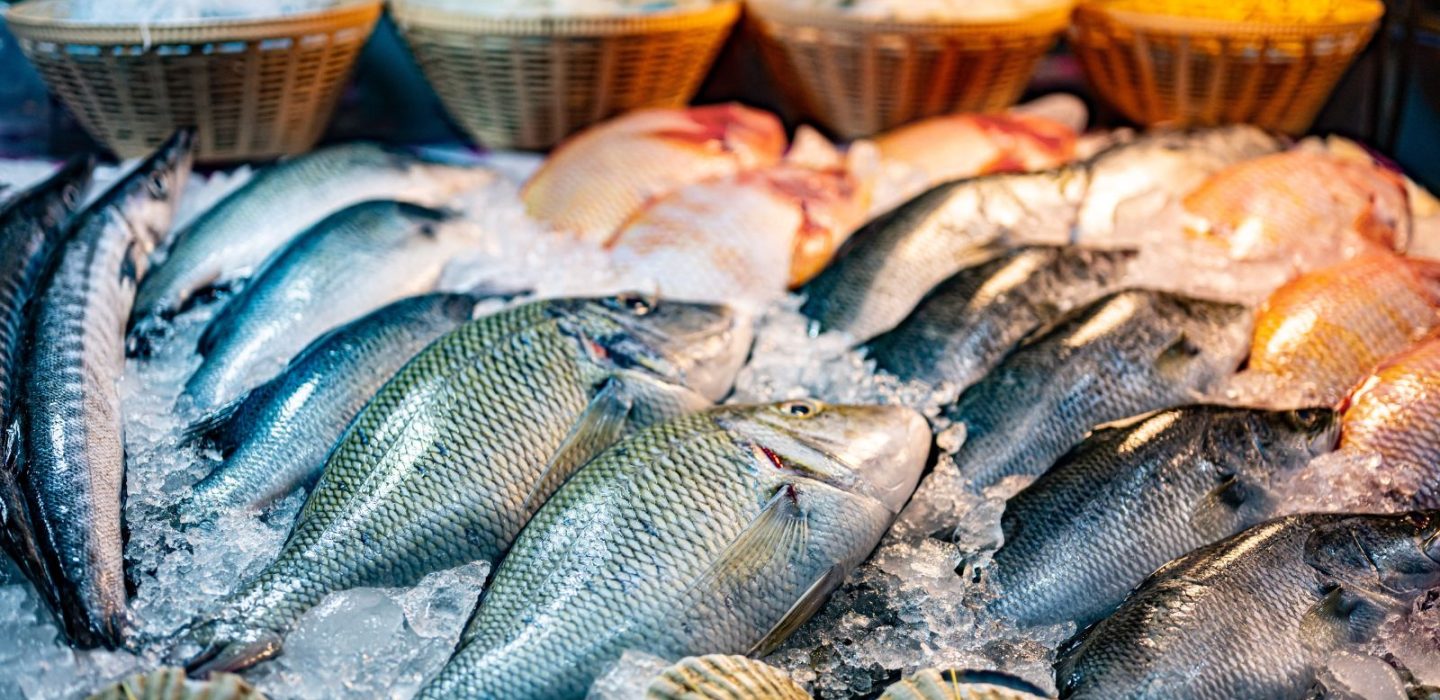
Fish, shrimp, scallops, and other seafood products may seem like foods that need a quick rinse, but washing them is not a replacement for safe preparation.
Raw seafood should be handled carefully to prevent juices from reaching ready-to-eat foods, utensils, and plates.
If you need to remove visible shell pieces or debris, do so carefully while avoiding unnecessary splashing.
Store-Bought Shell Eggs
Many people wash eggs after bringing them home, especially if they grew up seeing that habit.
However, commercially produced shell eggs sold in the U.S. have already gone through processing and do not need to be washed again at home. Rewashing can create extra handling and opportunities for cross-contamination.
That carton from the store is already ready for your refrigerator.
Related: The 7 Shocking Truth Behind Beef
Pre-Washed Bagged Salad Greens
Not every leafy green needs another rinse.
If a package says “pre-washed,” “triple-washed,” or “ready-to-eat,” the FDA says additional washing is not necessary. Rinsing these products again can introduce contamination from hands, sinks, or kitchen surfaces.
The important step is reading the label before reaching for the faucet.
Pre-Cut Produce Labeled “Ready-to-Eat”
Pre-cut fruit, vegetable trays, shredded vegetables, and similar products labeled “ready-to-eat” are designed to be used without another wash.
Instead of rewashing them, focus on clean hands, clean utensils, proper storage, and keeping them away from raw meat or poultry during preparation.
Conclusion
Washing food feels like a simple way to make ingredients cleaner, but more washing is not always better.
Raw chicken, meat, seafood, and other animal proteins do not become safer through a sink rinse. In some cases, that extra step can spread bacteria around your kitchen.
The smartest kitchen routine is not washing everything; it is knowing what each food actually needs.
Sometimes the safest move is a good rinse.
And sometimes the safest move is leaving the sink alone.
Other posts you might like
If you like what you just read, then subscribe to our newsletter andfollow us on social media.