
The post 8 Things Boomers Did on Family Road Trips That Families Rarely Do Now first appeared on Crafting Your Home.
There was a time when a family road trip was less about “getting there” and more about everything that happened along the way. The journey itself was the adventure, wrong turns, roadside surprises, questionable diner choices, and arguments over a giant paper map spread across the front seat.
For many families during the postwar decades, especially from the 1950s through the 1980s, the car became a kind of traveling family room. People packed snacks, planned routes with paper maps, stopped wherever something interesting appeared, and relied on a mix of preparation and improvisation. Of course, not every family experienced road trips the same way , income, location, access to a car, and social conditions shaped who traveled and how.
Still, plenty of classic road-trip habits feel like a lost art today. Here are some of the traditions that defined the family drive, and what replaced them.
The Great Paper Map Adventure
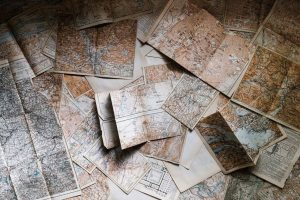
Before a phone calmly announced, “Turn left in 500 feet,” families had a much more dramatic navigation system: a giant folded map that seemed impossible to refold correctly. A front-seat passenger often became the official navigator, reading directions, watching for road signs, and trying to answer the famous question: “Are we there yet?” Families might stop at AAA offices for maps, guidebooks, and customized TripTik route booklets before leaving home.
These highlighted routes helped drivers plan trips before GPS and instant online searches.
Today, most travelers use GPS apps, live traffic updates, and automatic rerouting. Convenient? Absolutely. But there was something special about successfully navigating a complicated map without accidentally sending everyone three states away.
Asking a Stranger for Directions
Imagine this: You miss a turn. There is no smartphone. No “recalculating.” No satellite view.
So what happens? Someone pulls into a gas station, diner, or local store and asks, “Excuse me, how do we get back to the highway?”
For generations of travelers, local people became part of the navigation system. A gas-station attendant might know the shortcut.
A diner worker might know where to find the best pie or the nearest motel. Local advice filled the gaps maps couldn’t.
Today, we ask our phones instead. They can tell us traffic conditions, business hours, reviews, and alternate routes. But they rarely tell us a story about the town we just drove through.
Letting the Road Surprise You
Modern travel often involves a detailed itinerary: hotel booked, restaurant saved, attraction tickets purchased. Older road trips were often more spontaneous. A giant roadside sign could change the entire day. Families might stop for unusual museums, giant statues, caves, souvenir shops, scenic viewpoints, or strange attractions built specifically to catch a passing driver’s attention.
The road itself was part of the entertainment. A strange building or funny billboard could become a vacation memory that lasted decades.
Today, those discoveries often happen through travel apps, social media posts, and online recommendations. The surprise is still there, it just usually appears on a screen first.
Hunting for the Perfect Motel
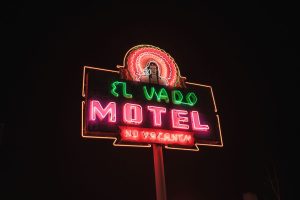
There was a certain excitement in spotting a glowing “Vacancy” sign after a long day of driving.
Many families stayed in roadside motels designed specifically for automobile travelers. Parking was usually right outside the room, making it easy to unload suitcases, coolers, and sleepy children.
Pools, diners, and souvenir shops often made these stops feel like part of the adventure.
Today, travelers often reserve hotels ahead of time through apps, compare reviews, and choose familiar brands. That means fewer surprises, but also fewer moments of wondering whether the next motel will be charming, strange, or unforgettable.
The Roadside Picnic
A cooler packed with sandwiches, fruit, snacks, and drinks was once a road-trip essential. Families often stopped at parks, picnic areas, and rest stops to eat, stretch their legs, and take a break from the car. Packing food was practical. It saved money, helped manage children’s preferences, and made travel more flexible.
Today, families can find food almost anywhere with a quick map search. Drive-thrus, travel centers, and restaurant apps make meals easier, but a picnic under a tree still has a certain vacation feeling.
Entertainment Without Screens
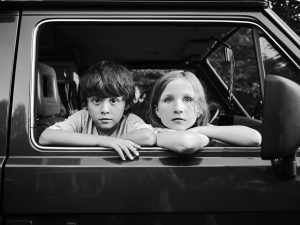
Long car rides once required creativity. Children played games like I Spy, the License Plate Game, and 20 Questions. They watched the landscape, searched for unusual vehicles, counted signs, read books, listened to the radio, or simply complained about being bored.
Today, every passenger can have a personal screen, headphones, games, movies, and endless entertainment. The modern road trip is quieter, but maybe a little less interactive.
The Road Trip Didn’t Disappear, It Evolved
The old family road trip wasn’t perfect, and nostalgia can hide the fact that travel wasn’t equally easy or welcoming for everyone. Access, safety, and discrimination affected many travelers’ experiences. But the spirit of the road trip is still alive. Families still take scenic drives, visit roadside attractions, pack snacks, explore small towns, and make memories between destinations.
The biggest difference is that today’s travelers have more tools. The paper map became GPS. The roadside question became a search bar. The diner recommendation became an online review. The mystery motel became a reservation confirmation.
The technology changed, but the goal stayed the same: get in the car, see something new, and collect a few stories along the way.
Other Posts You Might Like
- if-boomers-are-so-great-why-is-gen-z-the-kids-they-raised-the-opposite
- 15-forgotten-purchases-boomers-once-loved
If you like what you just read, then subscribe to our newsletter and follow us on social media.