



This article was originally published on Crafting Your Home. A human contributor also wrote and edited the post.
A cold, drafty house can make the colder months less comfortable and may leave homeowners looking for ways to improve their indoor spaces without major projects.
Before replacing windows or investing in a new heating system, homeowners can take smaller steps. Simple upgrades around doors, windows, vents, and insulation areas may help reduce drafts and improve how a home holds onto the heat it already uses.
Heating and cooling account for nearly half of the average household’s annual energy costs, according to ENERGY STAR. The organization says sealing air leaks and improving insulation can reduce heating and cooling costs by an average of 15%. However, results depend on factors such as climate, the home’s condition, local utility rates, and household habits.
For homeowners in [NEEDS INFO], these practical fixes can offer a starting point for making a home feel more comfortable as temperatures drop.
Start with doors and windows.

Small gaps around a home can let cold air in. Common areas include spaces around door frames, window frames, plumbing openings, and cable lines.
Homeowners can use caulk to seal cracks that do not move and weatherstripping around exterior doors or windows that open and close. The U.S. Department of Energy says air sealing can be a cost-effective way to reduce heating needs because it limits outside air from moving in and out of a home.
These projects are often easier to complete than larger renovations and can help address common draft areas.
Add a barrier under exterior doors.
A gap beneath an exterior door can become a noticeable source of cold air. A door sweep or draft stopper may help block that opening.
This can be especially useful for doors connected to areas such as garages, porches, basements, or outdoor spaces. Combining a door sweep with weatherstripping around the sides and top of the door frame may improve the overall seal.
Check and replace heating system filters.
A heating system depends on proper airflow. A dirty air filter can restrict airflow and make the system work harder.
ENERGY STAR recommends checking filters monthly during periods of heavy use, replacing them when they appear dirty, and changing them at least every three months. Homeowners should use the filter size and rating recommended for their specific system.
Regular filter checks can be a simple maintenance step during the colder season.
Keep vents and radiators open.
Furniture, rugs, and curtains can block registers and prevent heated air from moving through a room properly.
Moving large furniture away from vents may help heated air circulate more freely. ENERGY STAR recommends keeping registers clear so warm air can move throughout the home.
A room that feels colder than expected may sometimes need better airflow rather than a higher thermostat setting.
Related: 6 Affordable Interior Design Tricks That Make Your Home Look Expensive
Use window coverings wisely.
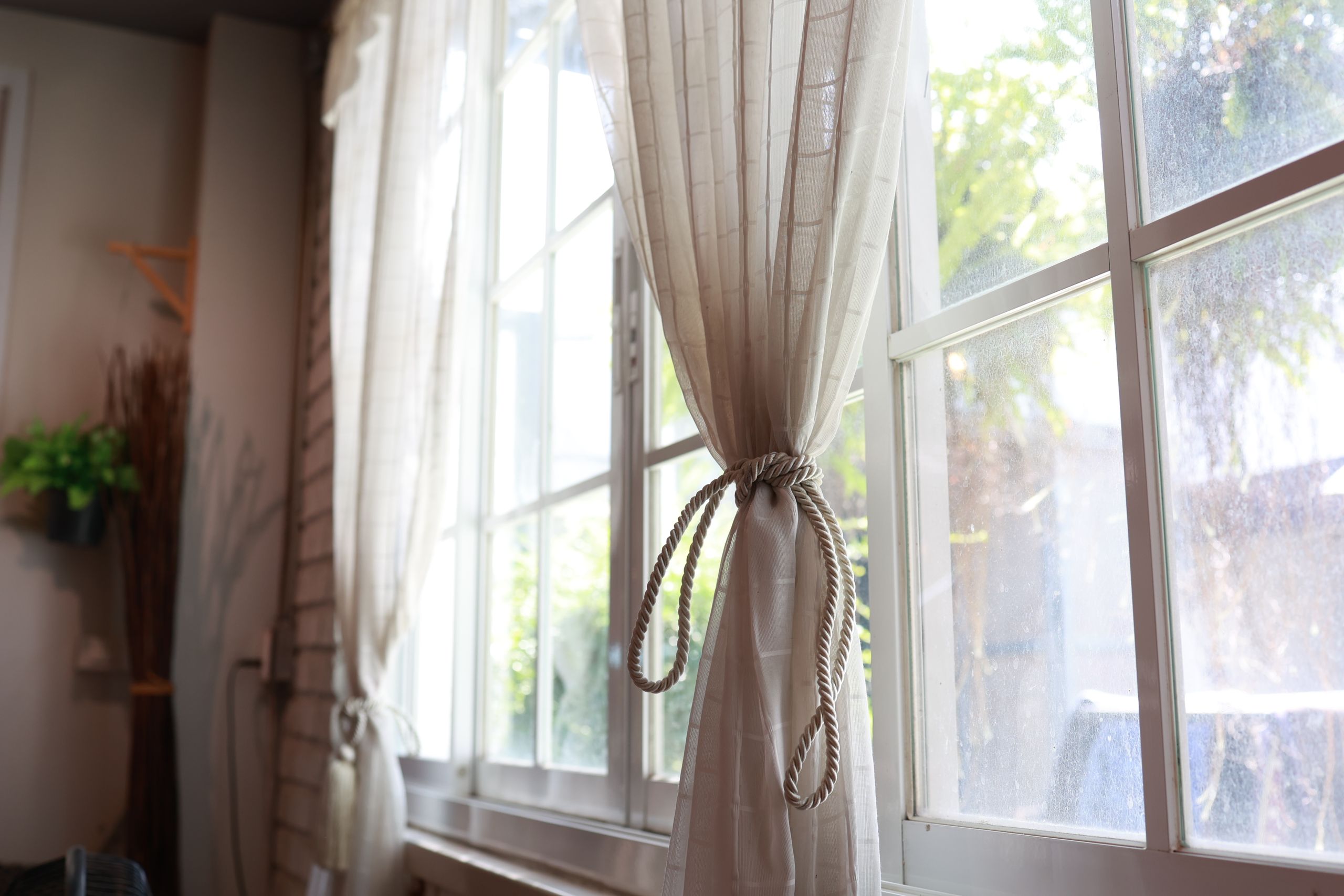
Curtains and blinds can help manage heat around windows.
During sunny winter days, opening curtains and blinds can allow sunlight into a room. After dark, closing them can create another layer between the living area and cold window glass.
ENERGY STAR includes adjusting window coverings as a low– or no-cost way households can reduce energy use.
Cover or remove window air conditioners.
Window air conditioners can create another opening where cold air may enter during colder months.
ENERGY STAR recommends removing window units when possible or using a tight-fitting exterior cover to reduce drafts and help keep heated air inside.
For homeowners who rely on window AC units during warmer months, preparing them for the colder season can be part of a fall home maintenance routine.
Check the water heater setting.
ENERGY STAR recommends setting household water heaters to 120°F.
The organization says this setting can reduce water-heating energy use and lower scalding risk. Homeowners with specific appliance, health, or household needs should check manufacturer guidance or consult a professional before making adjustments.
Look beyond windows and check the attic.
Older windows do not always cause cold rooms. Heat can also escape through gaps around attic hatches, wiring, plumbing, and recessed lights, as well as areas with inadequate insulation.
ENERGY STAR identifies sealing and insulating as some of the most cost-effective ways to improve comfort and energy efficiency.
Checking attic areas can help homeowners identify places where warm air may be escaping.
Related: 6 Things Happy People Never Keep in Their Living Rooms
Consider a home energy assessment.

If energy bills remain high, rooms stay cold, or a heating system runs constantly, a home energy assessment may help identify possible problem areas.
ENERGY STAR says an assessment can help identify upgrades that may improve comfort, including insulation, duct repair, air sealing and heating system work.
Small fixes will not solve every issue, especially in homes with poor insulation, damaged ducts or aging heating equipment. However, addressing drafts, maintaining heating systems, and improving airflow can help households keep more of the heat they are already paying for.
For homeowners planning fall improvements, the best place to start is finding where air enters and heat escapes.
Other Posts You Might Like
-
8 smart gardening hacks that can help you spend less money
-
5 Things to Do in the Garden This September for a Better Spring
-
6 DIY Home Projects That Could Trigger Fines — Or Cost You Thousands to Fix
If you like what you just read, then subscribe to our newsletter and follow us on social media.


