The post ” 5 Things to Do in the Garden This September for a Better Spring first appeared in Crafting Your Home
September doesn’t feel like planting season. The tomatoes are winding down, the mower is getting a break, and it’s tempting to call the yard “done” until spring.
But according to university extension offices across the country, September is actually one of the most important months for setting next year’s garden up for success. A handful of tasks done now, while the soil is still warm and workable, pay off big once spring arrives.
Here are five expert-backed garden projects worth tackling this month.
Get Spring-Flowering Bulbs in the Ground
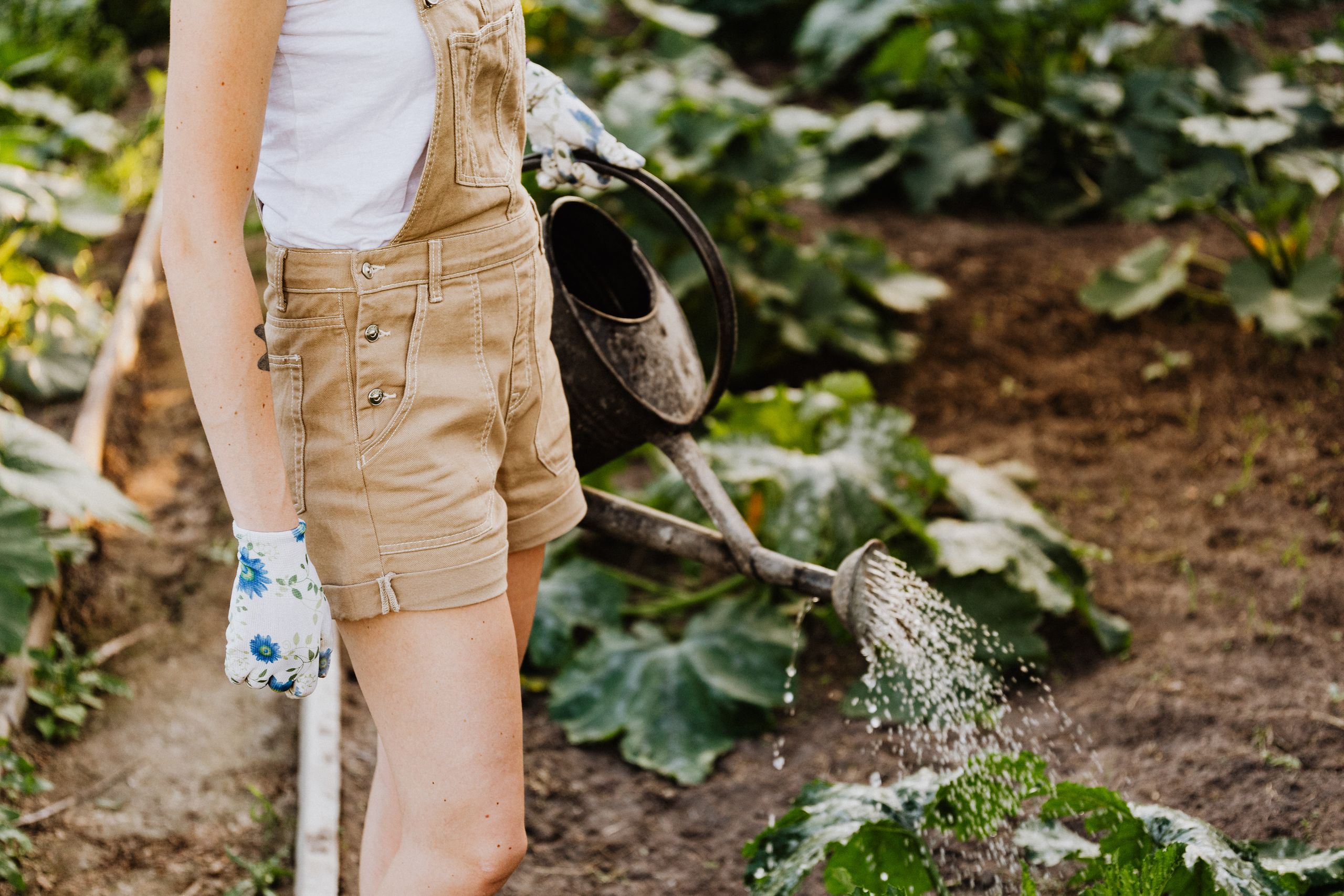
If you want daffodils, tulips, or hyacinths blooming in spring, start planning in September.
According to the University of Minnesota Extension, gardeners should order spring-flowering bulbs and garlic this month, with actual planting timed carefully around local frost dates. The extension advises waiting until the end of September to plant bulbs in northern regions, and until midway through October further south. The reasoning comes down to root development. “Bulbs need to establish their roots before the ground freezes to grow well the following spring,” according to UMN Extension.
Skipping this step, or planting too late, can mean weaker blooms or a delayed start the following year, since bulbs rely on that fall root-establishment period to store the energy they’ll need once temperatures warm back up.
Plant Garlic for Next Summer’s Harvest
Garlic is one of the few crops that actually wants to go into the ground in fall rather than spring, and September is right in that window for much of the country.
According to the University of Maryland Extension, plant garlic in late September through early November, depending on the region, for a harvest in late June or early July. The extension’s guidance is specific: plant the cloves root end down, pointy end up, spaced four to six inches apart, and covered with one to two inches of soil. Mulching the bed with fallen leaves afterward helps protect the cloves through the winter months ahead.
This timing isn’t arbitrary. Garlic needs a period of cool weather to develop properly before it starts producing leaves and eventually forming bulbs, which is why extension offices consistently list it as a fall, not spring, planting task.
Divide Overcrowded, Spring-Blooming Perennials
If your spring-blooming perennials, think peonies, irises, or daylilies, have gotten dense and crowded over the summer, September is a good time to thin them out.
Utah State University Extension’s fall garden checklist specifically recommends gardeners “divide crowded, spring-blooming perennials” during this window. Dividing overgrown clumps now gives the newly separated plants time to reestablish their root systems before the ground freezes, which typically means stronger, more vigorous blooms when spring rolls back around.
This task also solves a practical problem: perennials that get too crowded tend to produce fewer and smaller blooms over time, since they’re competing with each other for nutrients, water, and space. Splitting them up in fall resets that competition before it becomes a bigger issue.
Related: 7 Everyday Appliances That Are Silently Increasing Your Water Costs
Repair or Overseed the Lawn While Aerating Compacted Soil

Lawns take a beating over the summer, and fall is the ideal window to repair the damage before winter sets in.
According to Utah State University Extension, September is the time to“plant new lawns or repair insect/diseased areas with grass seed,” allowing four to six weeks for the grass to establish itself before heavy frosts arrive. The extension also recommends aerating compacted areas of the lawn with a hollow-core aerator while the turfgrass is still actively growing in September and October, which helps water and nutrients reach the root zone more effectively.
Doing this work now, rather than waiting for spring, gives new grass a genuine head start. By the time warmer weather returns, an early fall repair job has already had months to root in, rather than competing with the stress of a sudden spring growing season.
Cover Bare Soil Before Winter Sets In
Empty patches of soil left exposed over winter invite weeds and erosion, and the University of Maryland Extension recommends addressing this directly in September.
According to the extension, gardeners should “cover bare soil to discourage weeds and erosion,” using options like cover crops in vegetable gardens, groundcover plants, or a layer of mulch around any newly installed landscape plants until they get fully established. This protective layer does double duty: it suppresses the weeds that would otherwise get a head start come spring, and it helps regulate soil temperature and moisture through the colder months.
The extension also notes that this is a good time to hold off on major pruning of most perennials and shrubs, since some beneficial insects rely on old plant stems for winter habitat. Remove only unhealthy or diseased stems now, and save most structural pruning for late next spring.
Taken together, these five tasks share a common thread: September is when the groundwork for a strong spring actually gets laid, not the months right before it. According to the extension experts behind this guidance, a little effort now, while the soil is still workable and the weather is still cooperative, tends to pay off far more than trying to catch up once spring rush hits.
Other Posts You Might Like
- 17 Rapid Growth Shrubs to Transform Your Yard into a Lush, Private Oasis
- 7 Everyday Appliances That Are Silently Increasing Your Water Costs
- 10 Best Plants for Rain Gardens to Combat Runoff and Erosion
- 13 Small Mudroom Ideas That Maximize Style and Function
If you like what you just read, then subscribe to our newsletter and follow us on social media