

This article was originally published on Crafting Your Home. A human contributor also wrote and edited the post.
The fatal shooting of Renee Nico Goodle, a 37-year-old Minneapolis woman, has become one of the most controversial encounters involving federal immigration enforcement in recent years.
Federal officials have announced that ICE agent Jonathan Ross will not face criminal charges after he shot and killed Good during an immigration enforcement operation in Minneapolis in January 2026. Authorities have said Ross acted in self-defense, arguing that he believed he faced a threat during the encounter.
The decision has sparked strong reactions across Minnesota and beyond, with supporters of the agent arguing that law enforcement officers must be protected when they make split-second decisions. In contrast, critics argue that the circumstances surrounding the shooting require deeper scrutiny.
The case has reignited a national debate over the use of deadly force by federal agents, accountability, and how authorities investigate officer-involved shootings.
The Minneapolis Shooting That Triggered National Attention
The incident happened on January 7, 2026, in Minneapolis during an ICE enforcement operation.
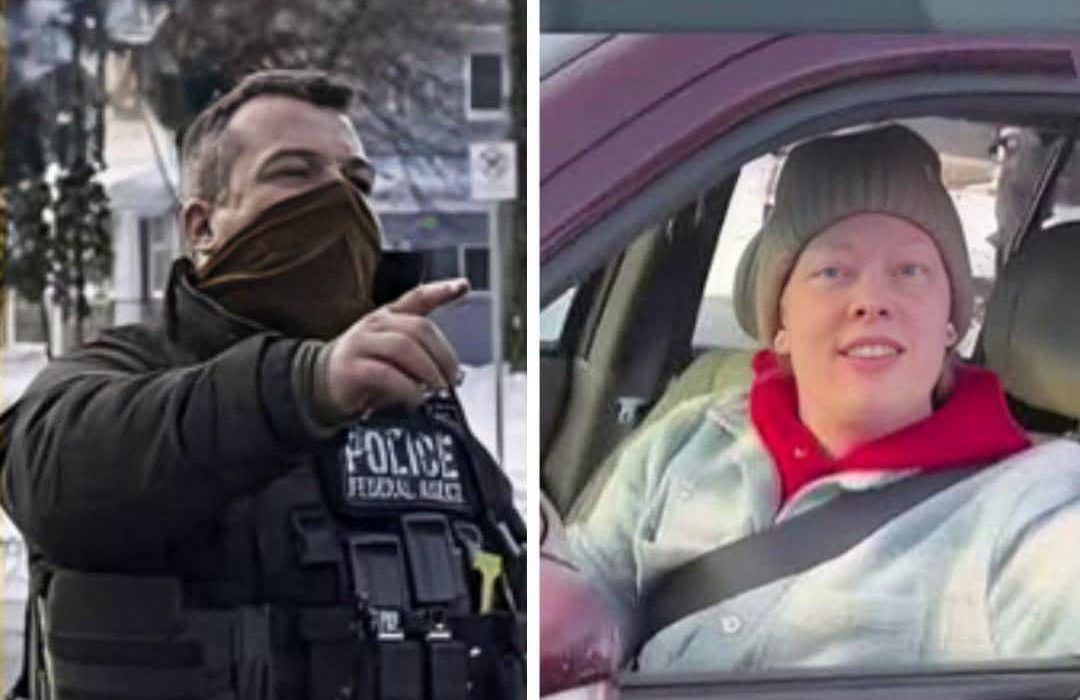
According to federal officials, Ross fired his weapon after believing Good’s vehicle created a danger to him. Officials have maintained that the agent’s actions were justified under self-defense principles.
Ross, a veteran ICE deportation officer, was identified by multiple news organizations as the agent involved in the shooting. Reports said he had worked in federal immigration enforcement for years and had experience with specialized law enforcement operations.
The shooting was captured on video, and those recordings quickly became central to the public debate. Different groups interpreted the footage differently, with federal officials arguing it supported the self-defense claim while critics questioned whether the use of deadly force was necessary.
The death of Good, who friends and family described as a mother and member of the Minneapolis community, led to protests and calls for a full investigation.
Federal Officials Defend Ross as Critics Demand Accountability
The decision not to pursue criminal charges has divided public opinion.
Federal officials have argued that Ross followed the law and acted to protect himself. Deputy Attorney General Todd Blanche said the Justice Department would not open a criminal investigation into the shooting, pointing to publicly available video evidence and the department’s view that the agent acted in self-defense.
Supporters of Ross say law enforcement officers often have only seconds to react during dangerous encounters. They argue that criminally charging officers after every controversial shooting could discourage officers from responding effectively in high-risk situations.
However, critics say the lack of charges raises concerns about accountability, especially in cases involving federal agents.
Minnesota officials and civil rights advocates have questioned whether the investigation process provided enough independent review. They argue that transparency is necessary when a government agent kills a civilian.
The disagreement reflects a broader national debate over police and federal law enforcement accountability.
Supporters of stronger oversight argue that investigations must carefully examine whether deadly force was justified.
Supporters of law enforcement argue that officers should not be punished for acting in situations where they reasonably believe their lives are at risk.

A Larger Debate Over Federal Enforcement and Use of Force
The controversy surrounding the Renee Good shooting comes during a period of heightened debate over immigration enforcement in the United States.
ICE operations have increasingly drawn attention from activists, lawmakers, and communities concerned about enforcement tactics.
At the same time, federal officials have argued that immigration officers face dangerous situations while carrying out their duties.
Ross’s background has also become part of the public discussion. Reports indicate that he previously experienced a serious incident involving a fleeing vehicle during an enforcement action in Minnesota. Federal officials referenced that history while defending his actions after the good shooting.
Critics argue that previous experiences cannot determine whether deadly force was justified in a separate incident. They say every encounter must be judged based on the specific facts surrounding that moment.
The case also highlights the complicated relationship between federal and state authorities.
Questions have been raised about who should lead investigations involving federal agents and how much information should be released to the public.
What Happens Next?
Although Jonathan Ross will not face criminal charges, the controversy surrounding the shooting is unlikely to disappear.
The decision closes one part of the legal process, but public debate over the incident continues.
For Ross’s supporters, the case represents an example of an officer making a difficult decision under pressure.
For critics, it represents concerns about whether federal agents receive enough scrutiny when deadly force is used.
The shooting has become part of a larger national conversation about immigration enforcement, government accountability, and the balance between protecting officers and protecting civilians.
As communities continue to debate the circumstances surrounding Renee Good’s death, the central question remains one that appears in many officer-involved shootings:
When a government agent uses deadly force, how should society determine whether that action was necessary, justified, and accountable?
If you like what you just read, then subscribe to our newsletter and follow us on social media.


