

This article was originally published on Crafting Your Home. A human contributor also wrote and edited the post.
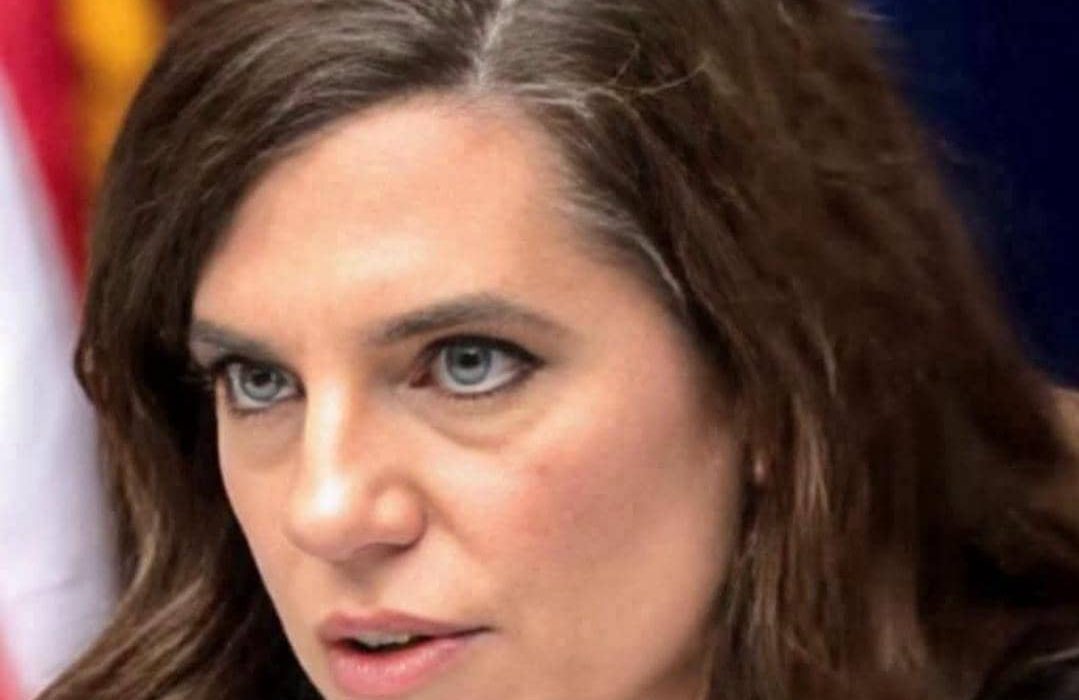
A short statement from Rep. Nancy Mace has reignited one of America’s most sensitive political conversations: the relationship between religion, government, and national identity.
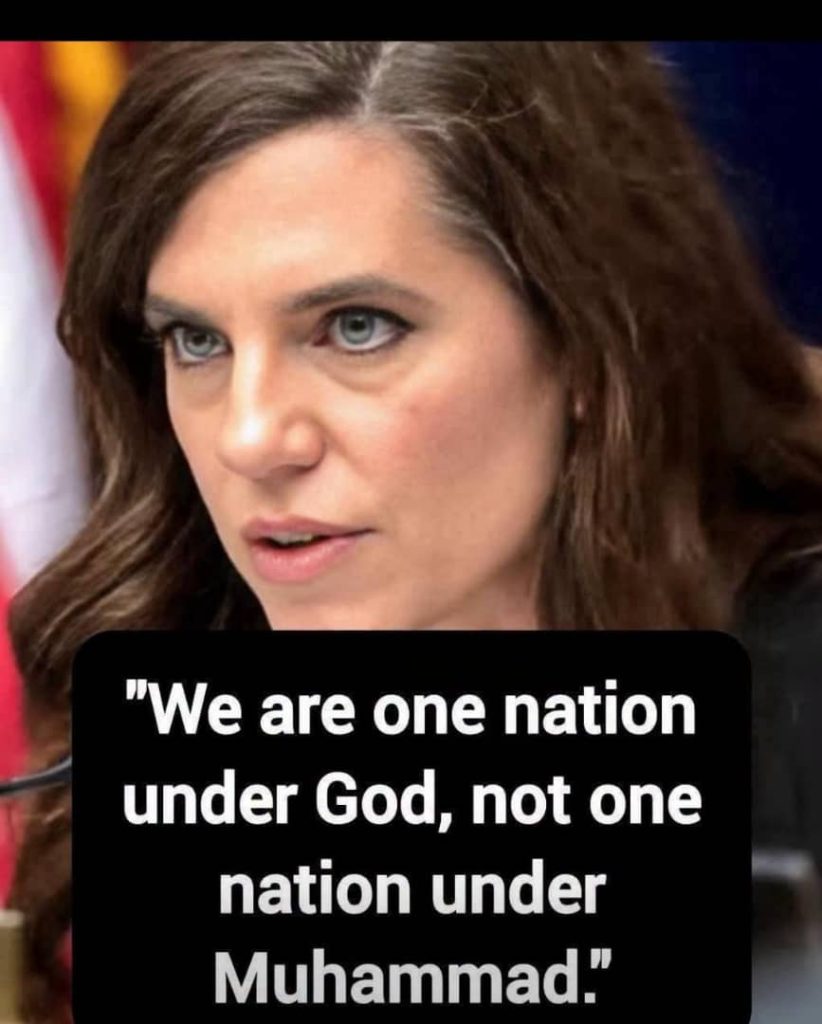
Mace, a Republican representing South Carolina, wrote on social media: “We are one nation under God. Not one nation under Muhammad. Sharia law has no place in America.” The post quickly spread online, drawing both support from conservatives who view it as a defense of American traditions and criticism from those who say the wording targets Muslims and raises concerns about religious inclusion.
The remark comes amid broader debates about immigration, religious freedom, national values, and the role of faith in American public life.
Supporters of Mace’s statement argue that the phrase “one nation under God” reflects America’s historical traditions and the wording of the Pledge of Allegiance. Critics counter that the United States Constitution protects religious freedom for people of all faiths, including those who do not follow Christianity or any religion.
The controversy highlights a question that has followed the country for generations: Can America honor its religious history while remaining a nation that protects people of different beliefs?
What Nancy Mace Said and Why It Sparked Reaction
Nancy Mace’s statement was shared online as part of a broader political discussion about Islam, Sharia law, and American identity.
The phrase “one nation under God” has a long history in American culture. It appears in the Pledge of Allegiance, which was amended in 1954 when Congress added the words “under God.” Courts have examined the phrase and noted that it carries both historical and religious significance.
Mace’s supporters say her comment was focused on protecting American laws and traditions. They argue that U.S. government authority comes from the Constitution, not from religious legal systems such as Sharia law.
The reference to Sharia law is also part of a larger political argument that has appeared in American debates for years. Some conservatives have raised concerns about whether religious laws from other countries could influence U.S. courts or government institutions.
However, legal experts and constitutional scholars have repeatedly noted that American law is governed by the Constitution, federal and state statutes, and court decisions, not by foreign religious legal systems.
Critics of Mace’s wording argue that the statement creates a false choice between being American and being Muslim. They point out that millions of Muslim Americans are citizens who participate in American civic life while practicing their faith.
The debate shows how quickly discussions about religion can move from questions about government policy into broader arguments about belonging and identity.
Supporters and Critics Clash Over Religion in Public Life
Those who support Mace’s message say America’s history cannot be separated from religious references found in national traditions.
They often point to historical documents, presidential speeches, and public ceremonies that include references to God.
Supporters argue that recognizing America’s religious heritage does not prevent people of other faiths from enjoying equal rights.
They say the First Amendment protects religious expression rather than requiring government and society to remove all references to religion.
On the other side, critics argue that America’s founding principles also include religious liberty and government neutrality toward different faiths.
The First Amendment states that Congress cannot establish a religion or prevent people from practicing their religion. This protection has shaped decades of legal debates over religion in public spaces.
The disagreement often comes down to interpretation.
One side views religious reference in American traditions as a recognition of history and values. The other side worries that political statements connecting national identity to one religion may make minority communities feel excluded.
This tension is not new. America has debated the role of religion in public life since its founding.
The Supreme Court has considered cases involving religious expression, government references to faith, and the limits of the Establishment Clause. In a 2010 ruling involving the Pledge of Allegiance, a federal appeals court examined the phrase “one Nation under God”. It concluded that its use in the pledge did not violate the Constitution when participation was voluntary.
The Bigger Conversation About America’s Identity
The reaction to Nancy Mace’s statement reflects a much larger national conversation about what defines America.
For some Americans, phrases like “one nation under God” represent history, tradition, and values passed through generations.
For others, America’s identity is rooted primarily in constitutional rights, including freedom of religion and equal treatment regardless of faith.
The United States has always contained competing ideas about religion and public life. The country has religious communities from many backgrounds, including Christians, Muslims, Jews, Hindus, Buddhists, and people who identify with no religion. That diversity has become one of the defining features of modern America.
Political disagreements often become sharper when religion is involved because faith is closely connected to personal identity.
Mace’s critics argue that public officials should use language that brings Americans together rather than dividing them by religion.
Her supporters argue that elected officials should be able to defend traditional values and discuss concerns about the role of religion in society.
Both perspectives reflect a broader struggle over how a diverse country defines itself.
The controversy also shows the power of social media in modern politics. A single sentence can reach millions of people within hours, creating conversations that extend far beyond the original post.
A Debate That Is Bigger Than One Statement
Nancy Mace’s comment has become part of a much older American discussion about faith, freedom, and national identity.
Supporters see her words as a defense of America’s historical traditions and constitutional framework.
Critics see them as language that risks excluding Americans who follow different religions or no religion at all.
The challenge for the country remains balancing two important ideas: respecting America’s history while protecting the rights of everyone who calls the United States home.
The debate is unlikely to disappear. Questions about religion and government have shaped American politics for centuries and will likely continue to do so.
Ultimately, the conversation is not only about one politician’s words. It is about a deeper question that Americans continue to answer in different ways: What values define the nation, and how can those values include everyone who lives under them?
If you like what you just read, then subscribe to our newsletter and follow us on social media.


