

This article was originally published on Crafting Your Home. A human contributor also wrote and edited the post.
A Montana lawmaker’s push asking President Donald Trump to pardon former Minneapolis police officer Derek Chauvin has ignited a heated debate across the country, reopening one of the most controversial criminal cases in recent American history.
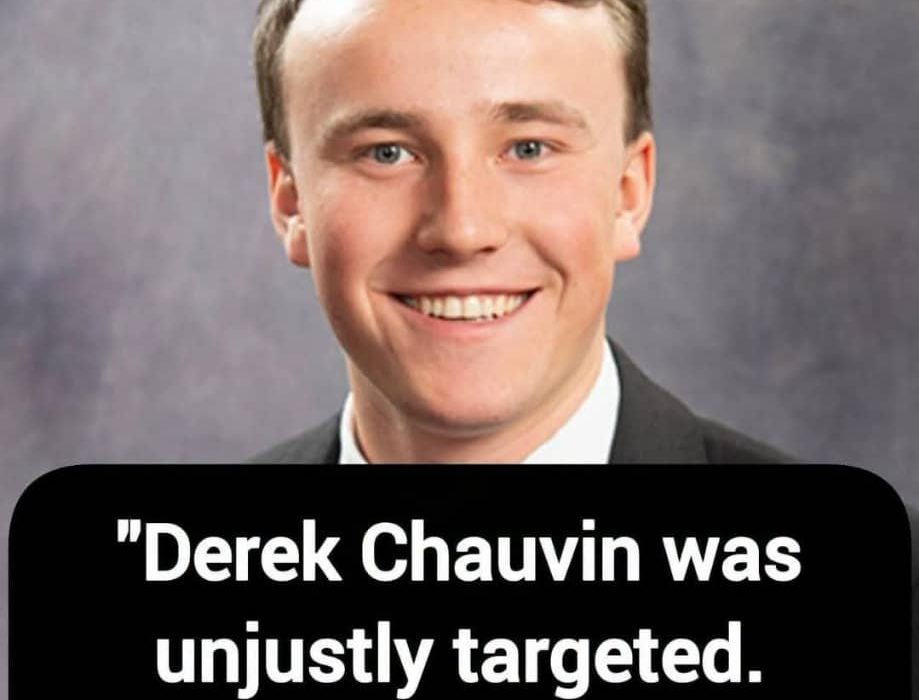
Montana State Rep. Lukas Schubert, a Republican representing House District 8, introduced a resolution urging President Trump and Minnesota Gov. Tim Walz to pardon Chauvin, the former officer convicted in the death of George Floyd. The proposal quickly drew national attention because of the emotional and political divide surrounding the case.
The resolution did not become lawful. According to legislative records, Montana House Resolution 9 was introduced in 2025 but later died during the legislative process.
The controversy now centers on a bigger question: Should elected officials use pardon powers to revisit some of the most closely watched criminal convictions in modern history?
Why Lukas Schubert Is Asking for a Pardon
Schubert’s resolution called for clemency for Chauvin, who was convicted in state court for the killing of George Floyd in Minneapolis in 2020. The case became a defining moment in national discussions about policing, race, criminal justice, and public trust in law enforcement.
Supporters of Schubert’s position argue that Chauvin’s conviction deserves another review and that the justice system can make mistakes. They have framed the request as a matter of fairness and due process.
Critics, however, argue that Chauvin’s conviction followed a public trial where evidence was presented before a jury. They say overturning the result through political action would undermine confidence in the legal system.
The debate has also focused on whether President Trump even has the authority to grant such a pardon. Presidential pardon power applies to federal crimes, while Chauvin’s murder conviction came through Minnesota state court. A president generally does not have the constitutional power to pardon someone convicted under state law.
That legal issue has become one of the central arguments raised by opponents of the proposal.
Derek Chauvin’s Case Remains One of America’s Most Divisive Legal Battles
Derek Chauvin became nationally known after video footage showed him kneeling on George Floyd’s neck during a police encounter in Minneapolis on May 25, 2020.
Floyd’s death led to nationwide protests, major debates over policing policies, and renewed discussions about accountability within law enforcement.
Chauvin was found guilty in Minnesota state court in 2021 on charges including second-degree unintentional murder, third-degree murder, and second-degree manslaughter. He was later sentenced to more than 20 years in prison after pleading guilty to a federal civil rights charge connected to Floyd’s death.
The case also became a politically divided line. Some Americans viewed Chauvin’s conviction as an important example of police accountability, while others argued the trial was influenced by political pressure and public opinion.
Schubert’s supporters have focused on the second argument, saying the case deserves additional scrutiny. Opponents say the conviction represented a jury’s decision based on evidence presented in court.

The Political Reaction: Supporters Defend the Move, Critics Push Back
The resolution immediately attracted criticism from those who believe it would send the wrong message about accountability and justice.
Doug James of the Flathead Beacon argued that Schubert’s proposal challenged the outcome of a unanimous jury verdict and criticized the effort as an attack on the legal process.
Supporters of the resolution, meanwhile, have argued that elected officials should be able to question controversial cases and advocate for individuals they believe were treated unfairly.
The disagreement reflects a broader national argument over executive power, criminal justice reform, and the role of politics in legal decisions.
For some conservatives, the Chauvin case represents concerns about government overreach and public pressure influencing prosecutions. For many civil rights advocates, the conviction represents an important moment of accountability after years of debate over police misconduct.
A Debate Bigger Than One Pardon Request
The controversy surrounding Schubert’s resolution is unlikely to disappear quickly because it touches on some of the most sensitive issues in American public life.
At its center there is a fundamental disagreement over justice. One side believes extraordinary cases require extraordinary review. The other believes that allowing political leaders to reverse criminal convictions could weaken the independence of courts and juries.
The question “Do you stand with him?” has become part of the larger national conversation about whether pardons should be used to correct perceived injustices or whether they risk becoming political tools.
While President Trump has received many pardon requests during his political career, the legal limits surrounding state convictions remain a major obstacle in cases like Chauvin’s.
For now, Schubert’s resolution has become another flashpoint in America’s ongoing debate over policing, punishment and the balance between political power and the rule of law.
If you like what you just read, then subscribe to our newsletter and follow us on social media.


