


Every parent wants what’s best for their child, but the very behaviors they use to care for them can often leave lasting scars. The trauma that parents unknowingly pass down is often wrapped in layers of well-intended actions, yet its effects can echo through generations.
Emotional neglect, excessive criticism, and unhealthy coping mechanisms are just a few of the patterns that make it hard for children to develop a healthy sense of self. These toxic patterns are not always apparent at first, but over time, they shape a child’s worldview in painful ways.
Below, we uncover eight common ways parents unintentionally pass trauma to their kids, leaving deep emotional wounds that can last a lifetime.
Emotional Neglect Disguised as Independence
One of the most subtle but damaging patterns is emotional neglect disguised as fostering independence. Parents may believe that teaching their child to be self-reliant and strong is beneficial, but this mindset often means neglecting the child’s emotional needs. A child who is encouraged to “deal with things on their own” or “not cry” may grow up learning to suppress their emotions rather than healthily process them.
The child may then struggle with emotional expression in adulthood, leading to unhealthy coping mechanisms like emotional numbing or difficulty forming close relationships. Rather than offering emotional validation, parents who promote emotional independence often inadvertently teach their children to feel disconnected from their feelings.
As a result, children may feel like their emotions are burdensome or unwelcome, creating a cycle of emotional isolation that lingers into adulthood. The lasting effects of this kind of emotional neglect can be far-reaching, from difficulty in personal relationships to chronic feelings of loneliness and inadequacy.
Criticism Disguised as Concern

Criticism, when framed as concern, is another toxic pattern that can be passed from parent to child. While parents may intend to encourage their child to do better by pointing out flaws, constant criticism can lead to a deep sense of inadequacy. Even when the criticism is masked as constructive feedback, the child often internalizes it as a measure of their self-worth.
Over time, this builds a foundation of low self-esteem that the child may carry into adulthood, leading them to doubt their abilities and constantly feel they are never good enough. This pattern is particularly damaging when the child is constantly praised only for achievements and success, with little to no recognition of their inherent value.
As they grow older, they may associate their worth with their ability to perform or meet others’ expectations. This mindset can lead to perfectionism, burnout, and chronic anxiety, as the child-turned-adult is always striving for validation that they were never given as a child.
Overprotection Disguised as Love
Another common pattern that harms children is overprotection, which is often misinterpreted as love. Parents who excessively shield their children from discomfort or challenges may think they are protecting them from harm, but in reality, they are preventing them from building emotional resilience. This can manifest as parents stepping in to fix every problem, making every decision for the child, or sheltering them from difficult situations.
While this might keep the child safe in the short term, it also fosters a dependency on external validation and guidance. Without the opportunity to face challenges, make mistakes, and learn from them, children grow up feeling ill-equipped to handle adversity on their own.
As they mature, they may experience anxiety when confronted with new or difficult situations and struggle with confidence in their decision-making abilities. The long-term impact is a lack of autonomy and an inability to cope with life’s inevitable ups and downs.
Shaming Disguised as Teaching Responsibility
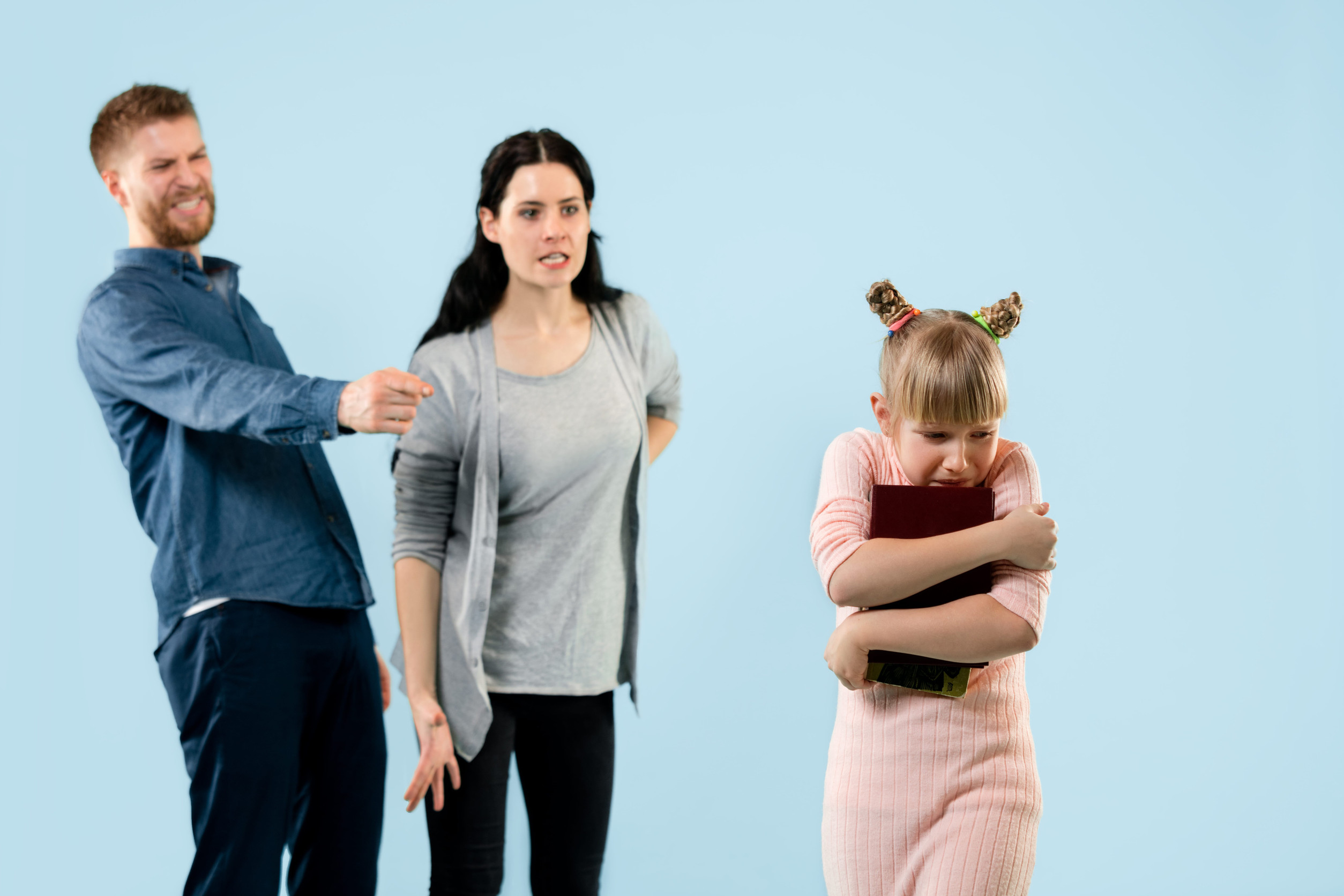
Shaming is often disguised as teaching responsibility or instilling discipline. Parents who use shame to correct behavior may believe they are teaching their child the importance of responsibility, but this tactic often backfires. The child internalizes shame, associating failure with worthlessness, rather than seeing it as a natural part of learning and growth.
This can lead to chronic feelings of guilt, fear of failure, and a perfectionistic mindset in adulthood. Children who are frequently shamed may also struggle with self-acceptance and be highly self-critical.
They may avoid taking risks or trying new things for fear of making mistakes and being judged. The long-term impact of shaming is a lack of confidence, fear of judgment, and an inability to see failure as a necessary step toward success.
Manipulation Disguised as Discipline
Parents often believe that discipline is necessary for raising responsible children, but when it turns into emotional manipulation, it can be harmful. Manipulation under the guise of discipline can include guilt-tripping, using emotional blackmail, or making the child feel responsible for the parents’ happiness. For example, a parent might say, “I work so hard for you, and this is how you repay me?”
This creates an unhealthy dynamic in which the child feels obligated to meet the parents’ emotional needs rather than learning to manage their own emotions. The lasting effect of this manipulation is that the child may grow up with blurred boundaries, unsure of where their responsibilities to others begin and end.
They may struggle with guilt and anxiety, constantly feeling like they must earn love or approval. This toxic cycle can make it difficult for them to form healthy relationships later in life, as they continue to seek validation through unhealthy emotional dynamics.
Withholding Affection Disguised as Tough Love
Withholding affection as a form of discipline or “tough love” is another pattern that can cause significant harm. Parents who withhold love or affection when their child fails to meet expectations may believe they are teaching discipline or self-control, but in reality, they are creating emotional distance. The child learns that affection is conditional, based on behavior or achievement, which can leave them feeling unworthy of love unless they prove themselves.
Neglecting Emotional Needs Disguised as Being Busy

Parents often neglect their children’s emotional needs because they are busy managing day-to-day responsibilities. While meeting material needs is important, emotional support is equally crucial for healthy development. A child who is constantly left to fend for themselves emotionally may feel abandoned, even if the parents provide food, shelter, and financial support.
This emotional neglect teaches children that their feelings are secondary to other obligations, leading to a lack of emotional self-regulation and deep feelings of loneliness. As adults, these children may struggle to form meaningful connections or feel that their emotional needs are a burden.
They may also struggle with self-worth, constantly feeling like they are not enough to deserve attention or care. This pattern leaves them feeling invisible, as their emotional needs are consistently overlooked or undervalued.
Unresolved Trauma Disguised as Normal Behavior
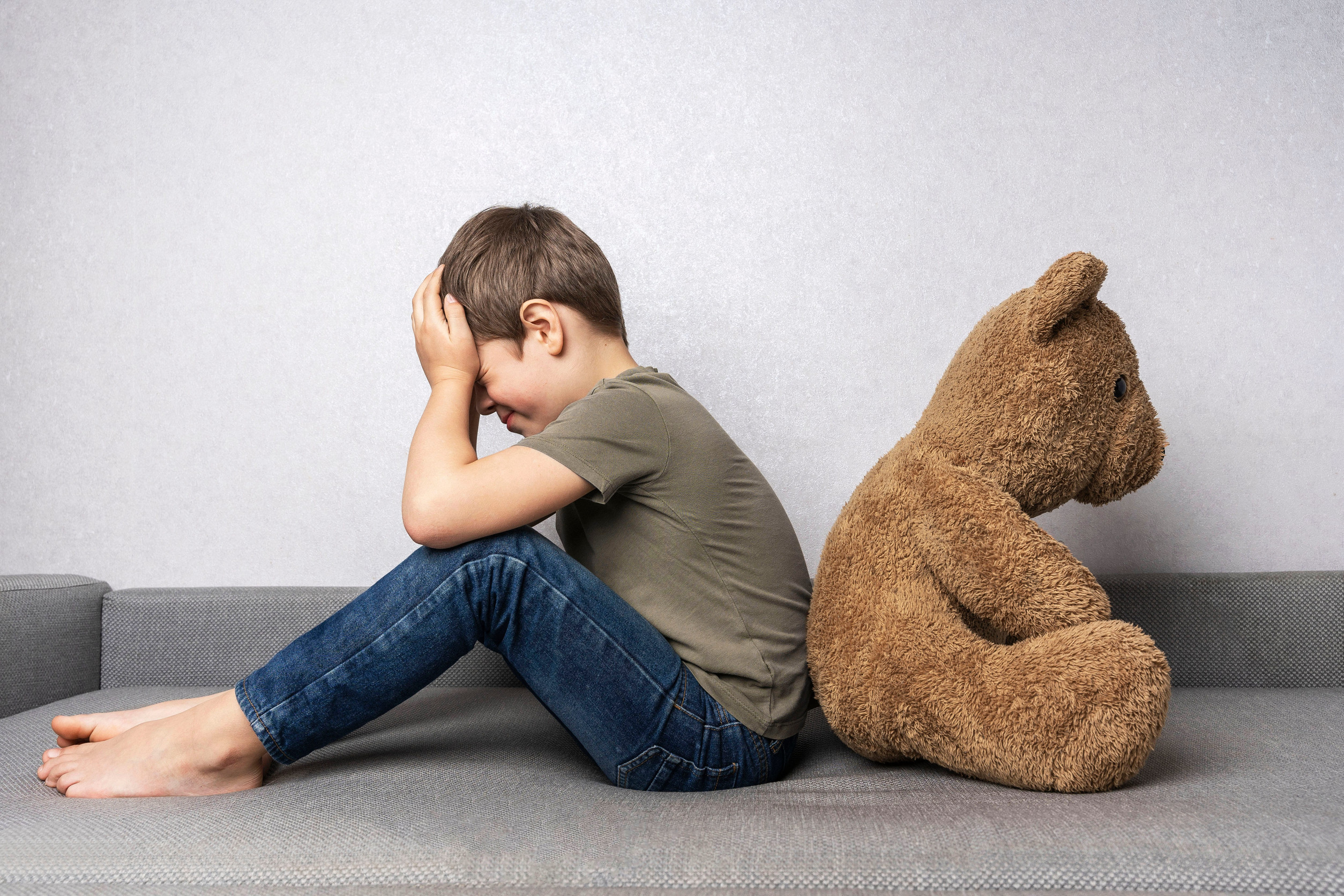
Parents who have unresolved trauma often unintentionally pass it down to their children, as their pain shapes their behavior. A parent’s emotional wounds can manifest as anger, neglect, substance abuse, or emotional withdrawal, but these behaviors are often rationalized as normal or necessary. Children raised in these environments may not even realize that their parents’ behavior is unhealthy, leading them to normalize dysfunctional patterns.
Conclusion
Parents are often unaware of the lasting impact their behaviors have on their children. What starts as a misguided attempt to teach responsibility, protect, or guide a child can inadvertently create patterns of emotional damage that affect them for years to come.
Recognizing these toxic patterns is the first step toward breaking the cycle of generational trauma. Healing begins with awareness and the willingness to foster a new, healthier way of loving and parenting, one that offers emotional support, stability, and unconditional love, free from the invisible wounds of the past.
Read The Original Crafting Your Home


