

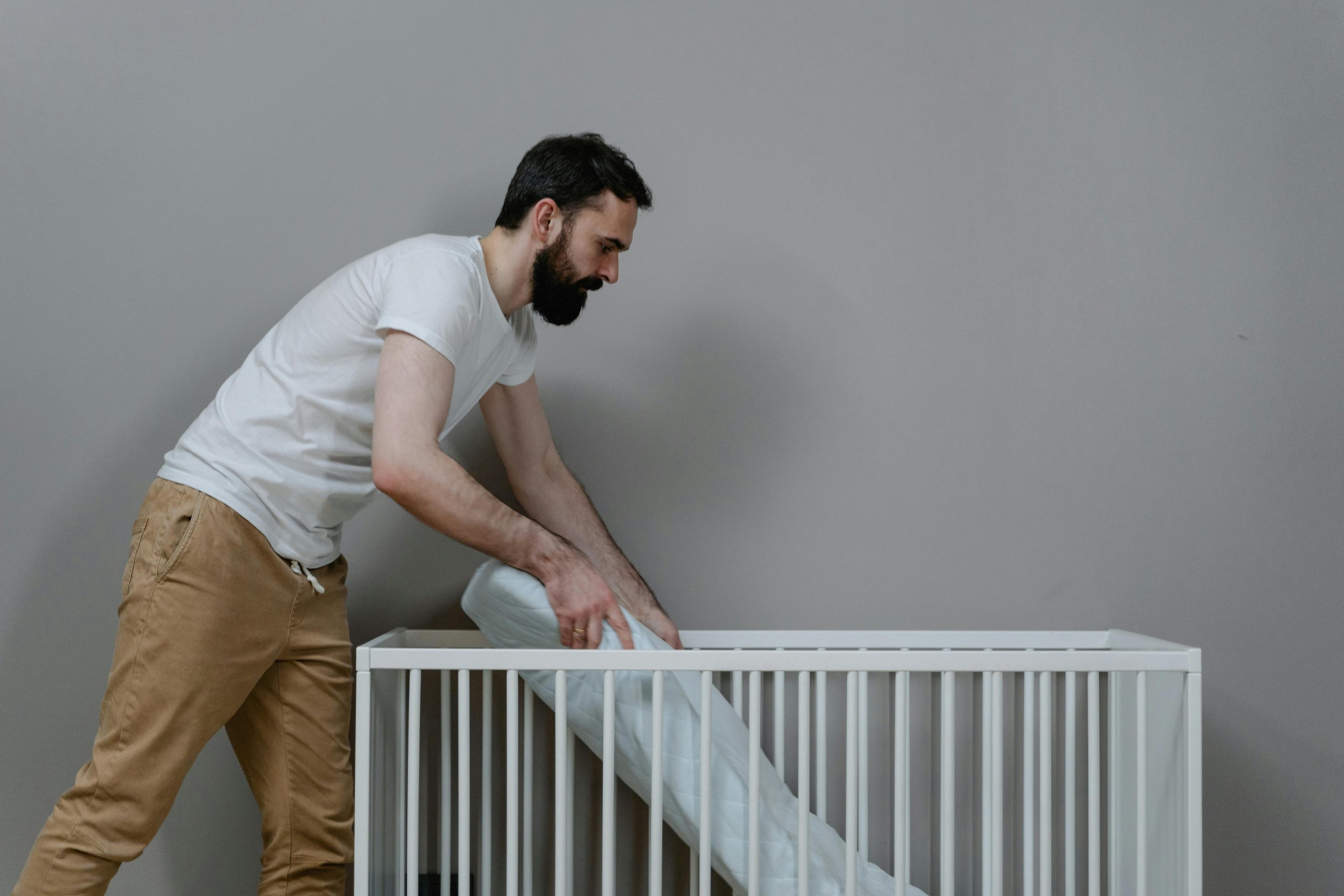
A bargain can feel like a tiny victory, especially when prices keep climbing, and everyone is looking for ways to stretch a dollar. Used items can be smart buys when you are shopping for furniture, books, tools, cars, or décor. But some secondhand deals are not really deals at all. They can bring hidden costs, safety risks, hygiene problems, or repairs that turn a cheap purchase into an expensive regret.
The danger is that many risky used items look perfectly fine at first glance. A clean photo, a friendly seller, and a shockingly low price can make you ignore what you cannot see. Some products age badly, lose their protection, collect germs, or become unsafe after one careless owner.
Before you grab that “too good to miss” deal, these are the things you should leave behind.
Mattresses
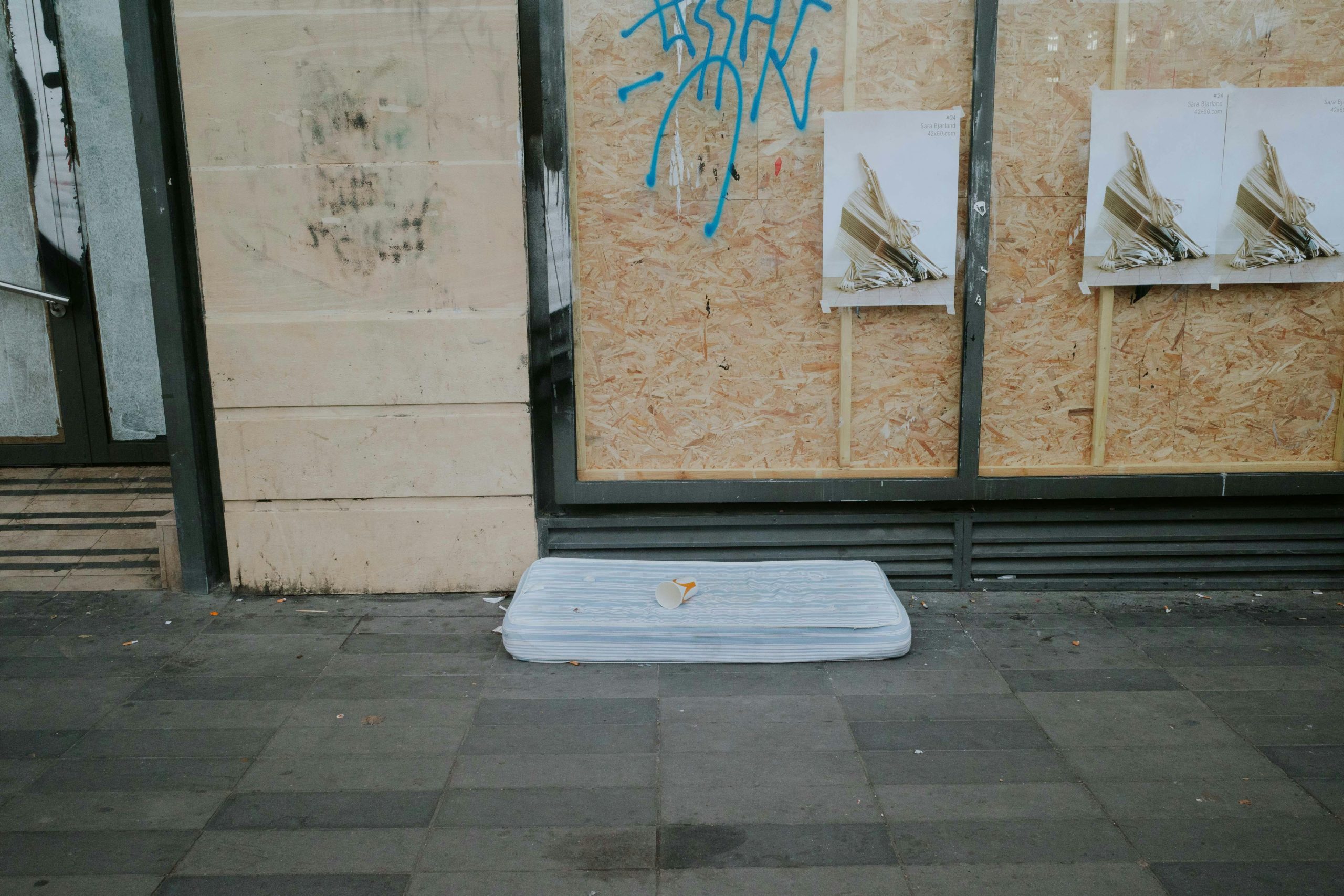
A used mattress may look clean, but it can hide a horror story under the surface. Sweat, dead skin, dust mites, mold, body oils, and even bed bugs can settle deep inside the fabric and foam. No quick spray or a sunny afternoon outside can fully guarantee safety.
Once bed bugs enter your home, the cost of removing them can be far greater than the cost of buying a new mattress. There is also the comfort problem. Mattresses shape themselves around the body of the person who used them before you.
That means sagging spots, weak support, and poor sleep may already be built in. Your back, neck, and hips can suffer because the mattress has lost its structural integrity. A cheap used mattress is one of those bargains that can make your bedroom feel like a mistake.
Car Seats
A secondhand car seat is never worth the gamble unless you know its full history. It may have been in a crash, dropped, stored poorly, or cleaned with harsh chemicals, which weakened the material. The scary part is that damage is not always visible.
A seat can look perfect on the outside and still fail to protect a child during an accident. Car seats also expire because materials weaken over time, and safety standards change. Missing labels, lost manuals, old straps, or unknown recalls can make the seat unreliable.
When a child’s safety is involved, “cheap” should never be the deciding factor. This is one item where peace of mind matters more than saving money.
Helmets
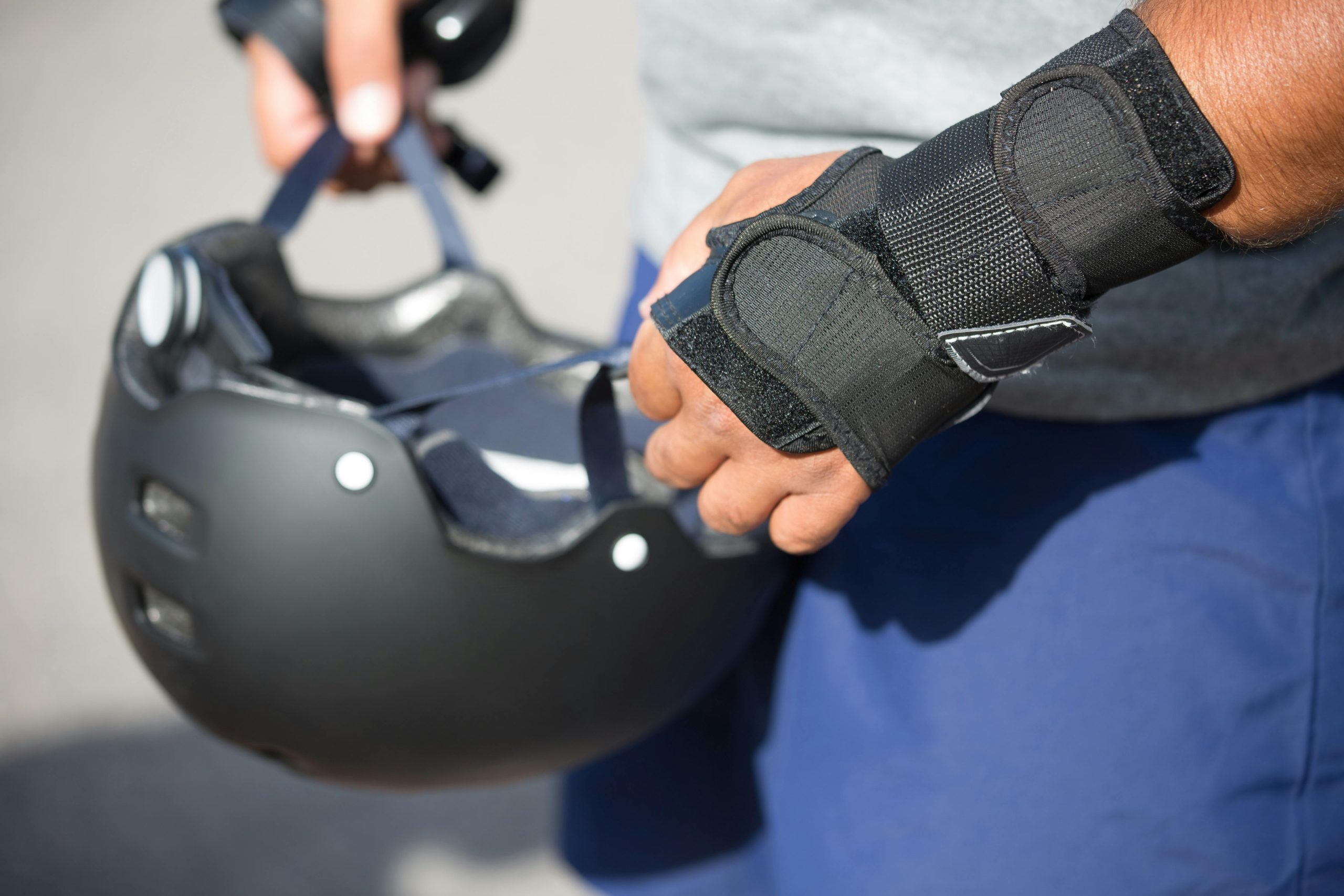
A used helmet can be dangerous because it is designed to absorb one major impact. After a crash or hard fall, the inner protective foam may be damaged even when the outer shell still looks normal. That hidden damage can reduce its ability to protect your head the next time something goes wrong.
A seller may honestly forget an old accident, or they may avoid telling you. Helmets also wear down over time due to sweat, heat, and storage conditions. Straps can loosen, padding can flatten, and the fit can become unreliable.
Whether you’re cycling, skating, motorcycling, or playing sports, your head deserves protection you can trust. A new helmet is usually much cheaper than the consequences of using a weak one.
Makeup and Skincare Products
Used makeup may seem harmless, especially if it is an expensive brand being sold for a low price. But anything that comes into contact with the face, lips, eyes, or fingers can carry bacteria. Mascara, eyeliner, lipstick, creams, and beauty sponges are especially risky because they come into direct contact with sensitive areas.
An eye infection or skin reaction is not worth a discounted product. Skincare is just as risky because opened products can expire, separate, or become contaminated. You may not know how long the product has been open, where it was stored, or whether someone dipped dirty fingers into it.
Heat and sunlight can also ruin active ingredients. Beauty products should make you feel good, not send you searching for treatment.
Underwear and Swimwear
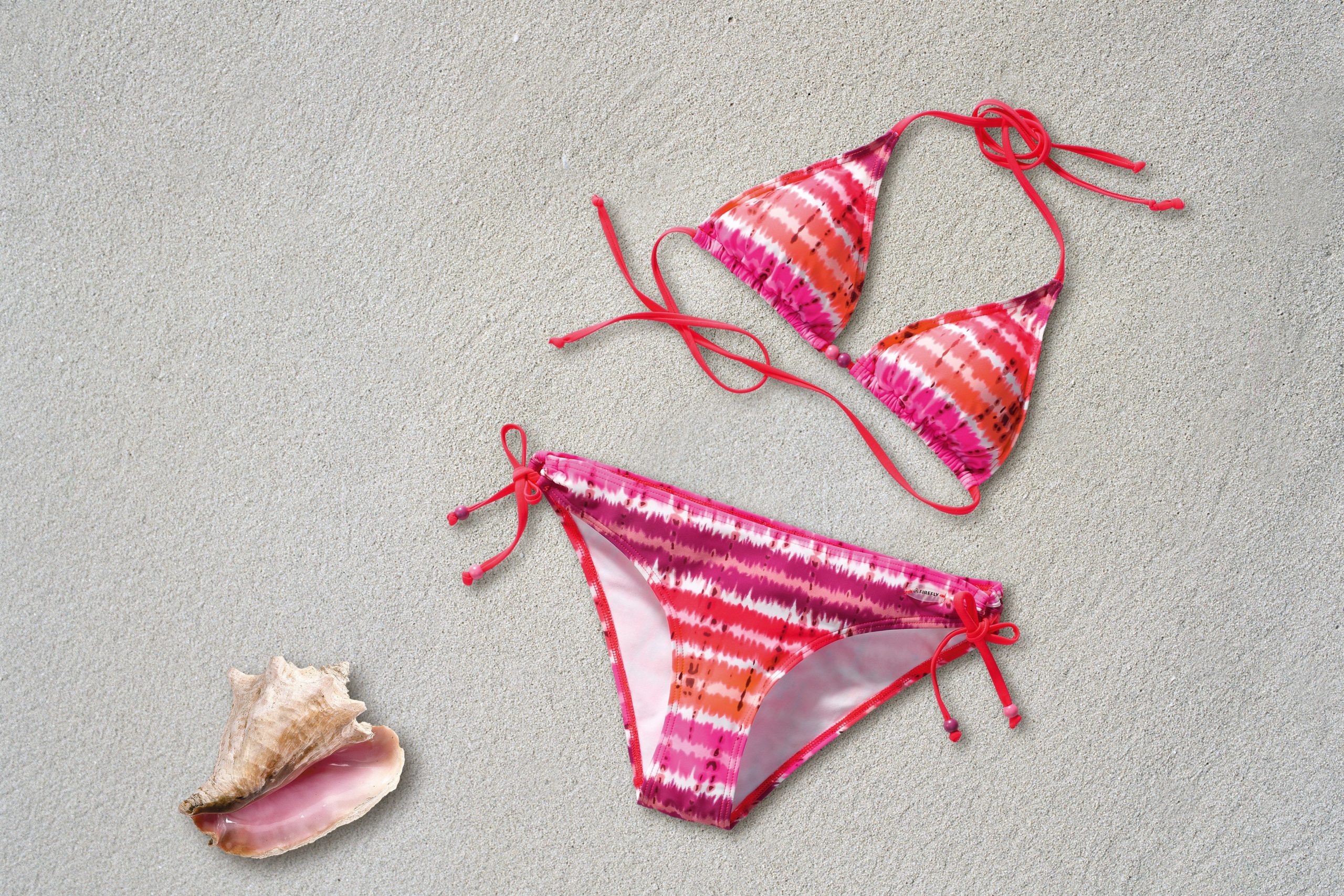
Some items are simply too personal to buy used, no matter how clean they appear. Underwear and swimwear sit directly against the body and can carry bacteria, odors, skin cells, and bodily fluids. Even washing may not give you the confidence you need for something that involves intimate areas.
A low price does not erase the hygiene concern. There is also the wear-and-tear issue. Elastic stretches, fabric thins, lining wears out, and support disappears over time.
A swimsuit that looked great online may arrive loose, faded, or uncomfortable. Underwear and swimwear are best bought new because hygiene, fit, and comfort all matter too much to compromise.
Nonstick Cookware
Used nonstick pans can look like a kitchen bargain, but a scratched or peeling coating is a major red flag. Once the surface begins to break down, tiny flakes can mix with food. Older pans may also have coatings that no longer meet current safety expectations. Even when a pan looks decent, you may not know if it was overheated, scraped with metal utensils, or washed harshly.
Cribs
A used crib may seem like a practical way to save money, but older cribs can be risky. Safety standards change, parts go missing, hardware loosens, and recalled models may still circulate through garage sales or online marketplaces. A crib that worked years ago may no longer be considered safe today.
Babies need a sleep space that meets current safety rules, not one with a mystery history. Loose screws, broken slats, drop-side designs, peeling paint, or incorrect mattress fit can create serious hazards.
Even small gaps or unstable pieces can become dangerous. Since babies spend so many hours sleeping, the crib should be one of the most reliable items in the home. This is not the place to gamble for a bargain.
Vacuum Cleaners
A used vacuum cleaner may sound like a smart household deal, but it can bring other people’s dirt into your home. Dust, pet hair, mold spores, allergens, crumbs, odors, and pests can collect inside the filter, hose, brush roll, and dust bin. Even after cleaning, some smells and particles can remain trapped deep inside the machine.
The mechanical side is another problem. Motors weaken, suction drops, belts wear out, and batteries fade in cordless models. A vacuum that looks good may already be close to failure.
By the time you replace filters, bags, belts, or other parts, the low price may be gone. Unless it is barely used and fully tested, a secondhand vacuum can be more trouble than it is worth.
Conclusion
Buying used can be smart, sustainable, and budget-friendly, but not every bargain deserves a place in your home. Some items carry hidden risks that a low price cannot fix. Mattresses, car seats, helmets, makeup, underwear, cookware, cribs, and vacuum cleaners all come with safety, hygiene, or reliability concerns that are easy to overlook.
The best rule is simple. If an item protects your body, touches your skin, affects your health, or depends on a hidden safety history, think twice before buying it used. Saving money feels good, but avoiding regret feels even better.
Read the original Crafting Your Home.


