


Slavery in America was not just an economic system; it was a regime of terror designed to crush the human spirit. Enslaved people were subjected to unimaginable suffering every day, stripped of freedom, dignity, and basic rights.
Their bodies and minds were treated as property, and punishment was often violent, public, and calculated to instill fear.
These punishments went far beyond discipline; they were tools of domination, meant to break resistance and enforce obedience. Understanding the brutality they endured exposes the true horror of slavery and the resilience of those who survived.
Whipping and Beating
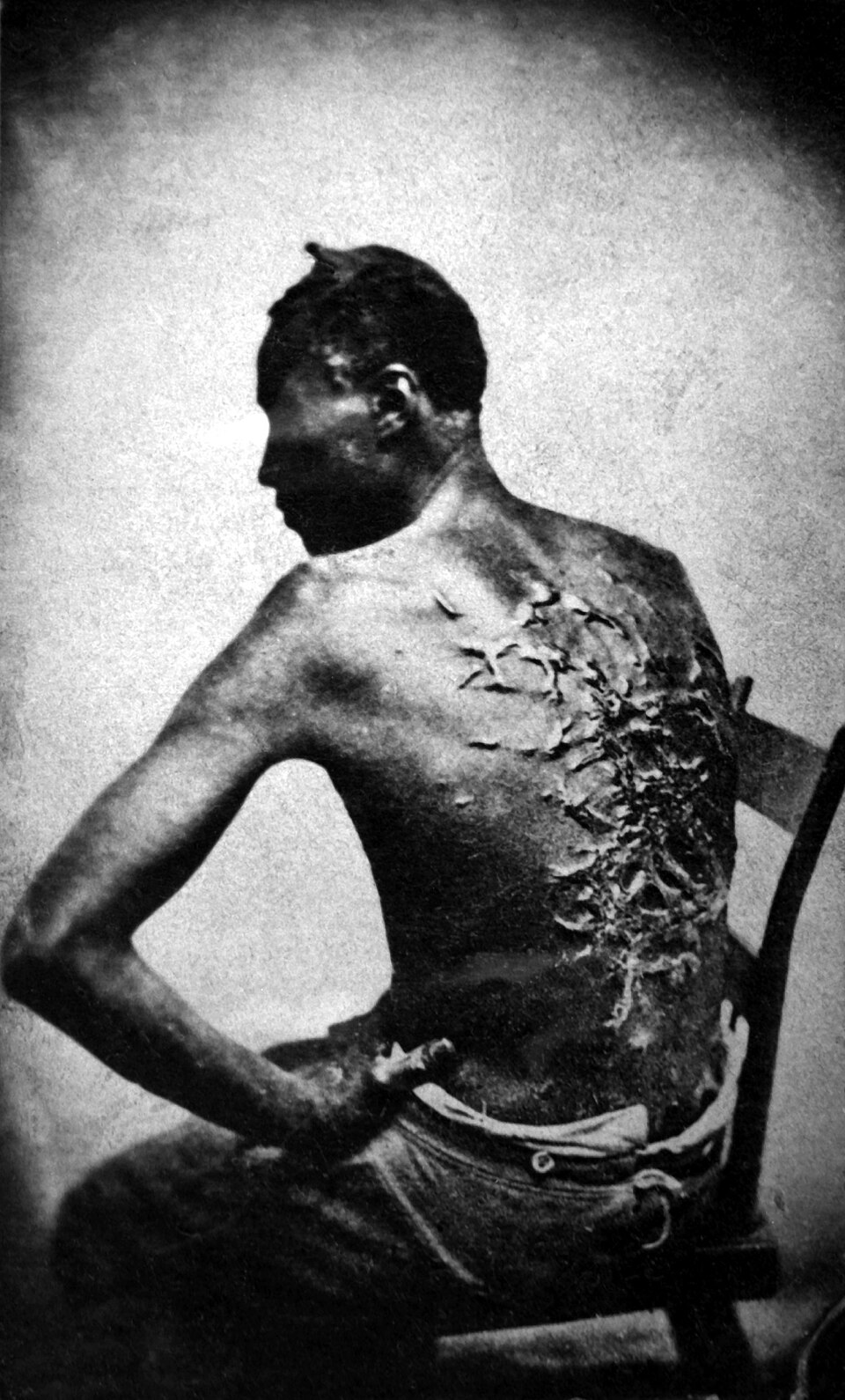
Whipping was one of the most common and devastating punishments. Enslaved people were lashed repeatedly, often until the skin tore and infections set in, leaving permanent scars.
Beatings were meted out for disobedience, slow work, or even minor infractions, creating a climate of constant fear. Public floggings humiliated the victims while sending a clear warning to others that defiance would not be tolerated.
Branding and Mutilation
Some enslaved individuals were branded with hot irons to mark them as property, a permanent symbol of dehumanization.
Mutilation, such as cutting off ears, fingers, or other body parts, was sometimes used for escape attempts or resistance. These punishments were designed to terrorize not only the individual but the entire enslaved community.
Confinement in Stocks or Shackles
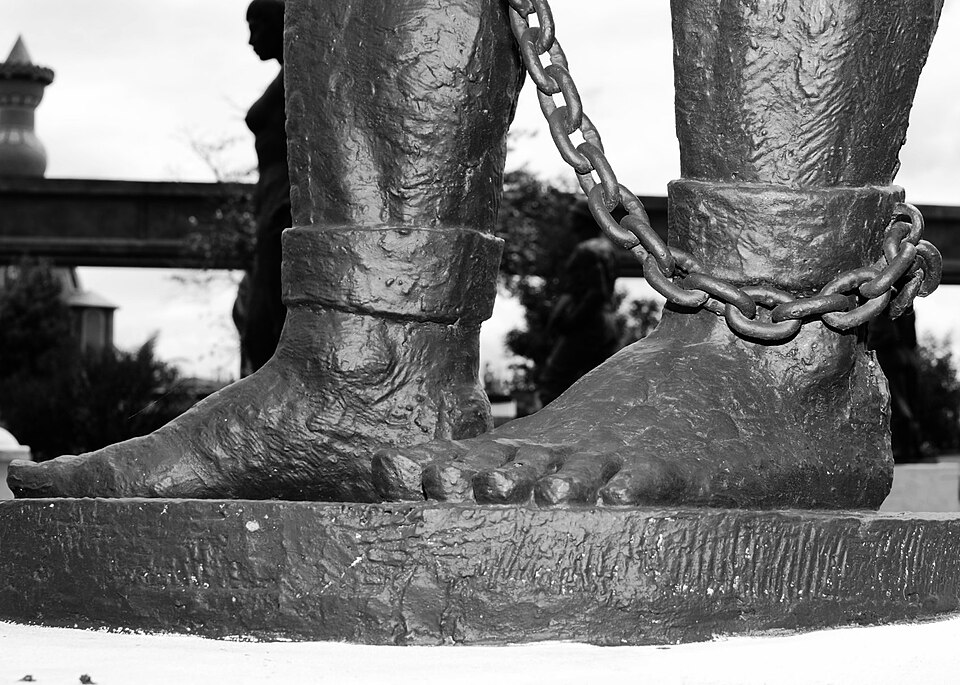
Stocks, iron collars, and shackles were used to restrain enslaved people for hours or even days. This punishment caused severe pain, physical strain, and humiliation, especially when done publicly. The threat of confinement reinforced submission and control over the enslaved population.
Separation from Family
Families were torn apart as punishment, with husbands, wives, and children sold to different plantations.
This inflicted deep emotional trauma and reinforced the reality that enslaved people had no legal rights. Threatening family separation was a powerful method of control and intimidation.
Extended Labor or Harsh Work Conditions
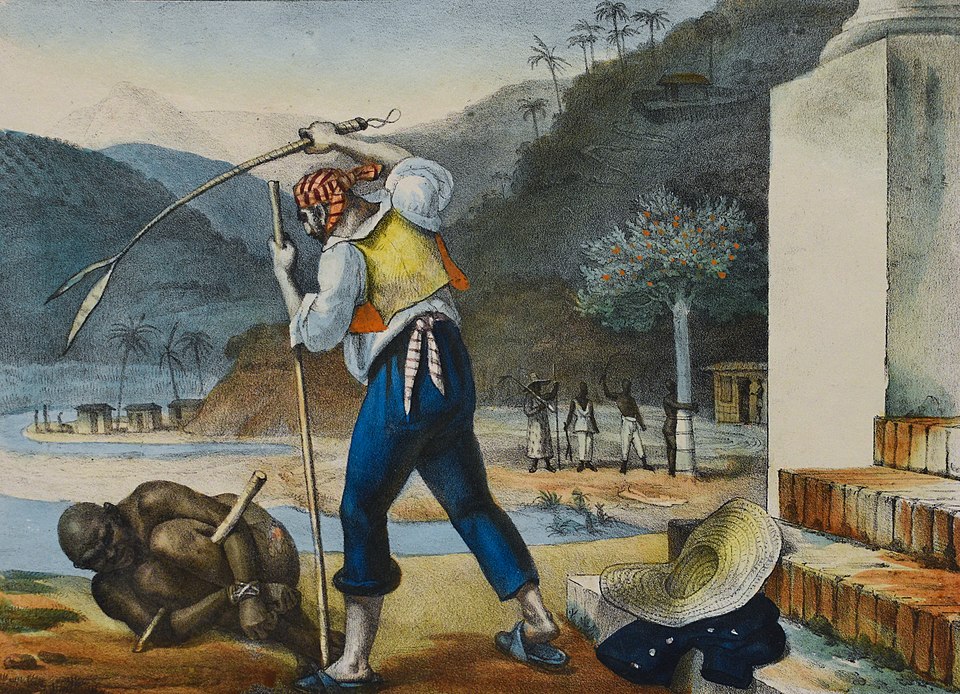
Punishment often involved forcing longer hours or harsher work tasks. Enslaved people endured grueling conditions in fields, homes, or workshops, sometimes under extreme weather. These punishments demonstrated the consequences of disobedience and maintained strict control over labor output.
Psychological Torture and Public Humiliation
Humiliation was a common tactic to enforce obedience. Enslaved people were mocked, isolated, or forced to perform degrading acts in public.
Verbal abuse and ridicule eroded morale and instilled fear, ensuring that others would observe the consequences of resistance. Psychological torture was as effective as physical punishment in maintaining dominance.
Denial of Food or Basic Necessities
Food, water, clothing, and shelter were often withheld as punishment.
Deprivation weakened individuals physically and mentally while reinforcing dependence on their enslavers. This cruel tactic effectively maintained control and punished perceived insubordination.
Execution and Extreme Torture
Some enslaved people faced execution or extreme torture for rebellion or escape attempts.
Hanging, burning, and mutilation were used as public spectacles to terrorize the community. These punishments demonstrated the absolute power of enslavers and the deadly risks of resisting oppression.
The punishments endured by enslaved Americans were calculated instruments of cruelty, designed to control, terrorize, and dominate.
They left enduring scars on individuals and communities, yet also revealed the remarkable resilience and courage of those who survived unimaginable horrors.


