



This posts Why More Families Are Turning to Local Parks for Simple Everyday Escapes first appeared on Crafting Your Home.
Not every family getaway requires a suitcase. Increasingly, the escape families are reaching for is much closer to home, sometimes just a few blocks away, in the form of a neighborhood park.
According to national survey data tracked by the National Recreation and Park Association, this isn’t a small or passing habit. It’s a well-documented, widely shared pattern across American households, and the reasons behind it go well beyond simple convenience.
The Numbers Behind the Trend Are Enormous
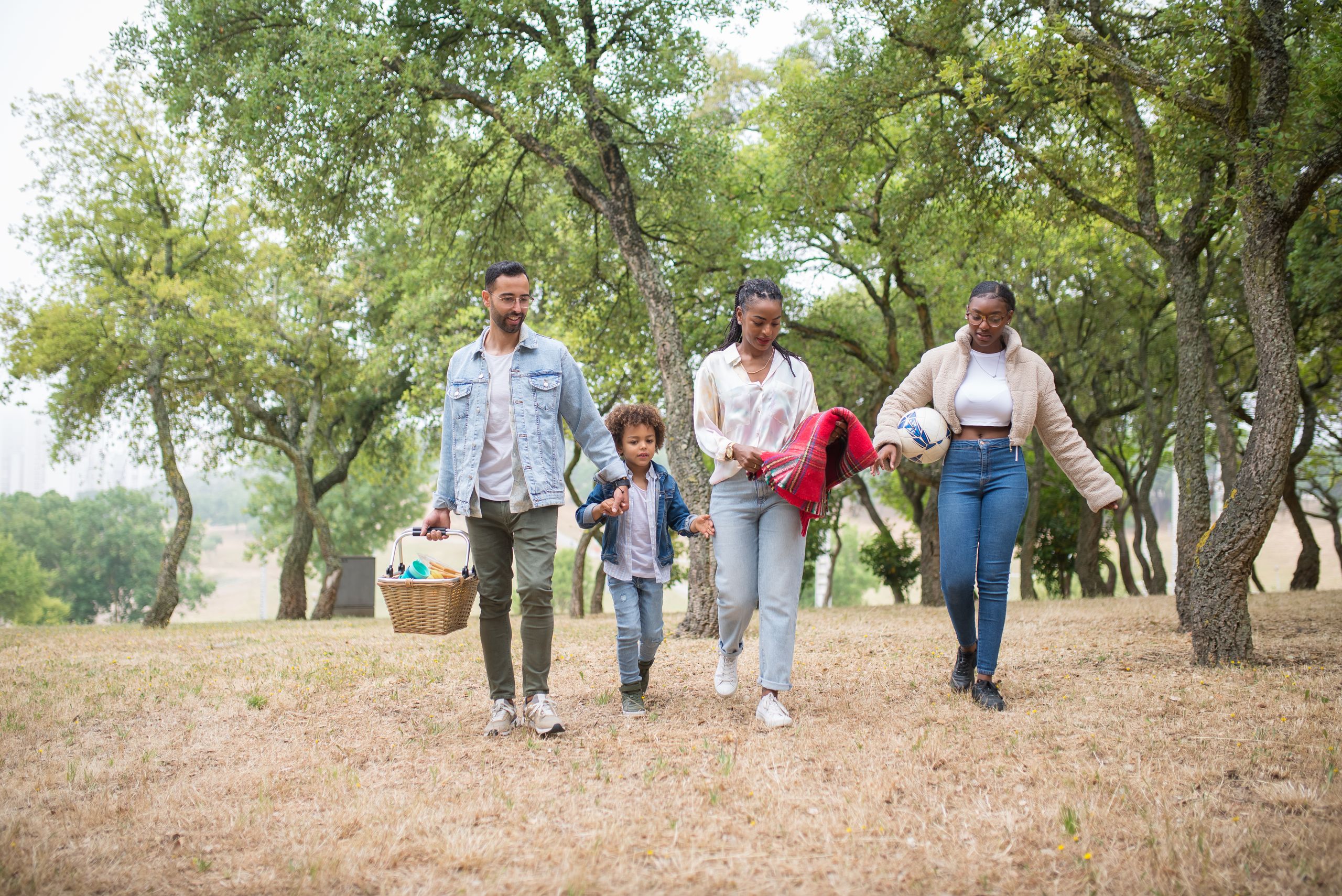
According to NRPA’s 2025 Engagement with Parks Report, an estimated 227 million adults, or someone in their household, visited a local park or recreation facility in 2025 alone. NRPA notes that this figure has remained remarkably consistent over the nine years the annual report has tracked it, pointing to what the organization describes as the enduring role parks play in everyday American life.
That scale isn’t limited to occasional weekend outings either. According to a separate NRPA survey focused on outdoor habits, 72 percent of U.S. adults report going outside at least once a day. This figure underscores just how embedded outdoor time, much of it centered on local parks and open spaces, has become in daily routines.
What’s Actually Driving Families to the Park
The reasons families give for choosing a local park have shifted somewhat in recent years, according to NRPA’s tracking data. Before the pandemic, spending time with family and friends was consistently the top reason people visited parks, cited by 58 to 62 percent of respondents. In 2023, that number had settled at 50 percent, still the single most common reason people gave, but now running closely alongside several others.
According to the same NRPA data, 47 percent of park visitors cited taking a break from day-to-day stress, while 46 percent cited being closer to nature and getting exercise. Notably, NRPA’s research also found that connecting with community members and finding supervised space for children were important. At the same time, parents’ work became an increasingly common reason for visiting parks between 2020 and 2023, suggesting parks are increasingly functioning as multipurpose spaces rather than single-use recreation spots.
Related:High-Paying ‘Boring’ Jobs in Demand (Earning $95,000 or More)
Proximity to a Park Has Become a Housing Priority
This isn’t just about what families do once they’re at a park. It’s shaping where they choose to live in the first place. According to NRPA’s Engagement with Parks research, five in six survey respondents say proximity to high-quality parks, playgrounds, or open spaces matters when choosing a neighborhood, with nearly 60 percent describing proximity as extremely or very important to their decision.
That preference is strongest among Gen Xers, at 79 percent, and baby boomers, at 77 percent, though it remains a significant factor across generations. For a growing number of families, a quality park within easy walking distance functions like a baseline expectation for where home should be, not simply a nice extra.
Parks Are Increasingly Recognized as Economic Assets, Too
The value families place on nearby parks is now showing up in how cities plan investment. According to a 2026 report from the Trust for Public Land, local parks generate an estimated 201 billion dollars in economic activity nationwide and support 1.1 million jobs, based on data compiled from the National Recreation and Park Association.
That economic case is directly influencing city leadership. Tim Kelly, the mayor of Chattanooga, Tennessee, told the Trust for Public Land that companies increasingly cite amenities like parks and trails as a major factor in attracting and retaining employees, placing park access on a similar footing with other major quality-of-life investments a city might make.
Related:5 High-Paying Jobs People Are Avoiding
How Families Are Actually Using Their Time There
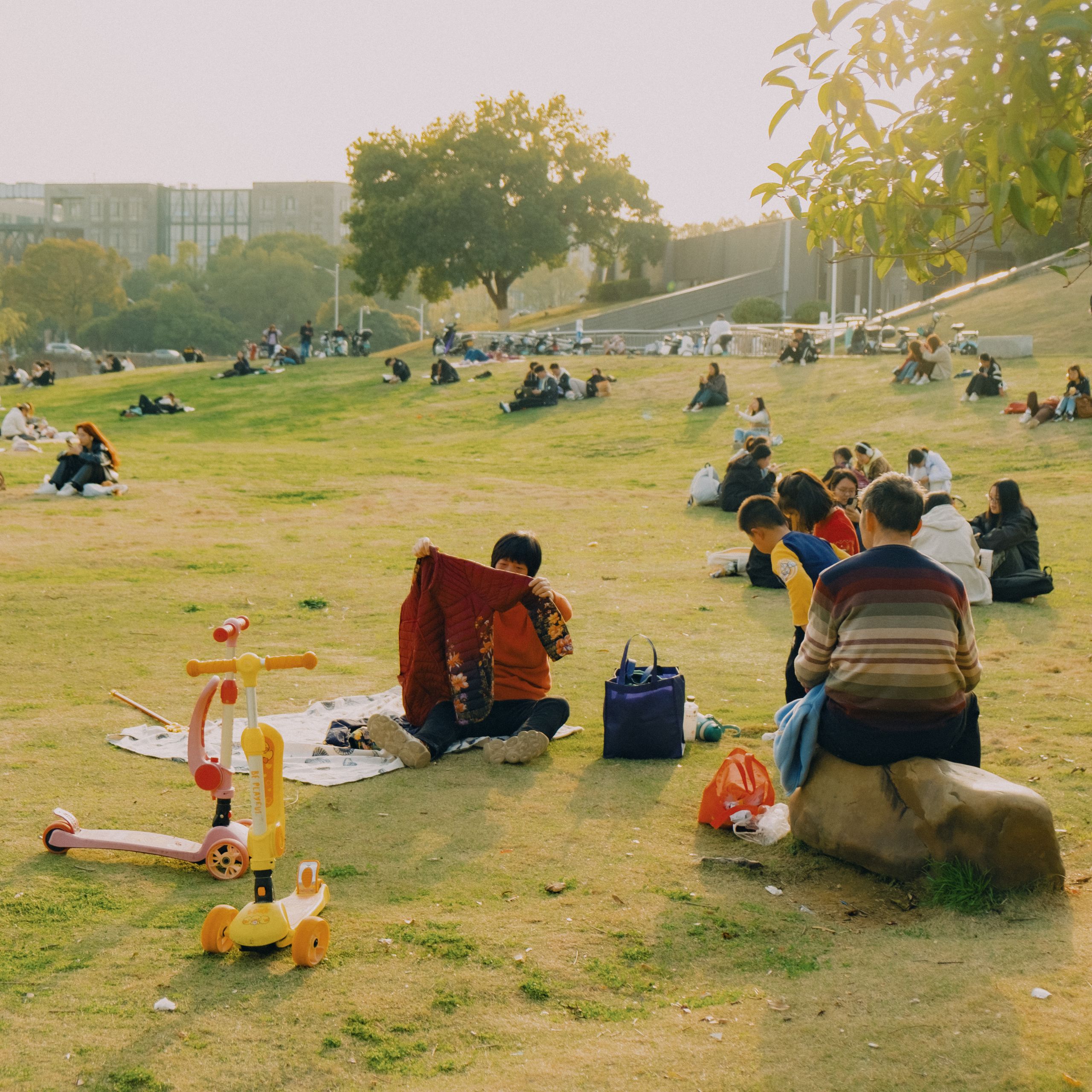
The specific activities families pursue at parks have also evolved. According to NRPA’s tracking data, roughly two-thirds of park users in 2023 said their sole destination was the park or open space itself, down somewhat from 77 percent before the pandemic, as more visitors began incorporating additional activities into the same outing, such as swimming pools or aquatic centers, which saw visitation nearly rise from 19 percent of parkgoers in 2021 to 28 percent by 2023.
That shift suggests families aren’t necessarily visiting parks less. They appear to be asking more of a single park visit, treating it as a flexible, multi-use escape rather than a single, narrow activity.
Related: The U.S. Presidential Candidate Who Took Erectile Dysfunction Out of the Shadows
Why This Matters Beyond a Single Afternoon
None of this data suggests families have abandoned bigger trips or vacations altogether. What it does suggest is that a nearby park has become one of the most consistently used, and increasingly valued, tools families have for handling ordinary daily stress, staying connected, and getting outside without the planning, expense, or time commitment a bigger trip requires.
According to NRPA’s own framing of this research, that consistency- the same 200-plus million-person turnout year after year- reflects something less like a trend and more like a fixture in how American life is actually structured. For a growing number of families, the simplest escape available isn’t somewhere they have to travel to reach. It’s already down the street.
Other post you might like:
- America’s Good Jobs Are No Longer Enough: Why Millions Feel Financially Trapped.
- 10 Higher-Paying Jobs Workers Are Quitting Despite Strong Demand.
- The 8 Most Dangerous Jobs That Pay Well .


