


When diving into the real estate market, many buyers may feel the urge to skip the home inspection to edge out the competition in a bidding war. However, bypassing this step can lead to devastating financial consequences and unnecessary stress in the future. Home inspections are an essential tool for identifying hidden issues in a property that could drain your wallet and compromise the safety of your new home.
Here are crucial red flags home inspectors often uncover to help you avoid costly surprises and ensure you’re making an informed purchase.
Mold

Mold growth often results from untreated water damage or moisture issues. Beyond being unsightly and unpleasant, mold can present serious health risks. It releases spores that can cause respiratory issues and allergies, and can aggravate conditions like asthma. Mold isn’t just a cosmetic issue, it’s a health hazard that needs immediate attention.
Removing mold can be both difficult and costly, particularly when it has spread throughout the walls, insulation, or HVAC systems. Resolving the root cause of the moisture problem will prevent mold from returning, making it critical to address it early in the inspection process.
Improper Grading
Land grading refers to the slope of the land surrounding a home and its ability to direct water away from the property. If the grading is incorrect and water flows toward the house, it can cause water to pool around the foundation. Over time, this can weaken the foundation and create significant moisture problems in the basement or lower levels of the home.
While improper grading may not cause immediate, noticeable damage, it can lead to serious, costly issues in the long run. Proper grading ensures that rainwater and groundwater are directed away from the house, protecting its structural integrity and preventing water-related damage.
Moisture in the Walls
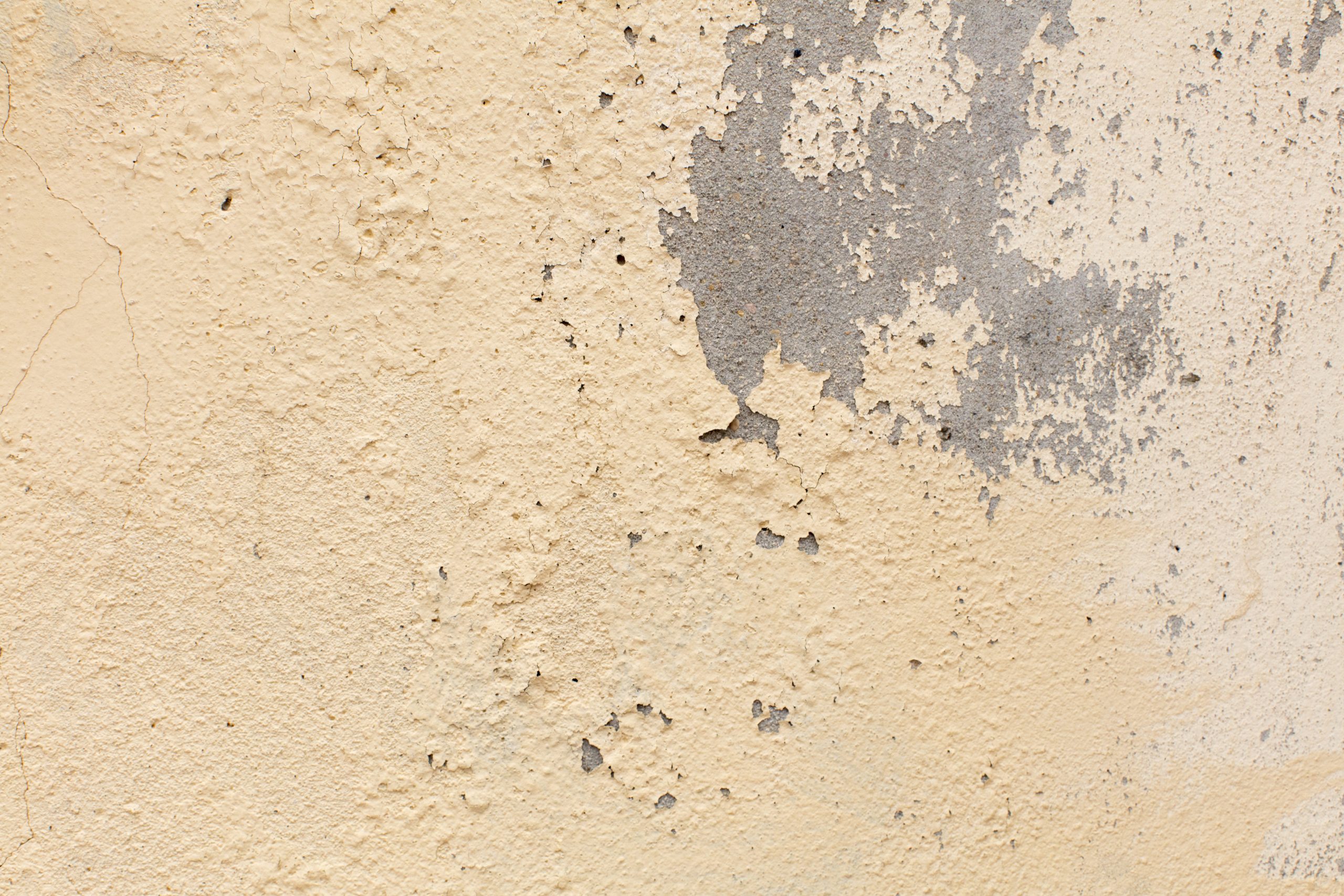
Water damage is often the root of some of the most expensive problems in a home. When moisture is present in the walls, it can indicate underlying issues, such as leaks in the plumbing or roof, which are often not visible on the surface. The danger lies in water seeping through the walls, silently compromising the home’s structure.
Left unaddressed, this can lead to significant mold growth, weakened foundation structures, and rotting wood, all of which require major repairs. While it’s difficult to pinpoint the exact source of moisture without opening walls or ceilings, identifying the issue early allows targeted repairs and helps prevent it from escalating.
Pest Infestations
Pest infestations are more than just a nuisance, they can cause significant damage to your home’s structure and create serious health hazards. Termites, carpenter ants, and rodents can silently destroy wooden beams, insulation, and even wiring. The damage caused by these pests may not be immediately visible, but over time, it can severely compromise the home’s integrity.
Termite damage, in particular, can go unnoticed until it’s too late, leading to costly repairs. Professional pest control may be needed to address the infestation, and any damage caused will need to be repaired. Identifying pest problems early on is crucial to ensuring the home’s safety and protecting your investment.
Roof Damage

The roof is arguably one of the most critical components of a home, acting as the first line of defense against the elements. However, roof damage is often among the most expensive repairs homeowners may face. Signs of roof damage include missing shingles, water pooling, or worn or cracked areas.
These issues are often indicators of an aging roof or one that has suffered extensive wear and tear. Roof replacements or major repairs can cost thousands of dollars, so it’s important to address these concerns early. If the roof shows signs of damage or wear, it’s essential to plan for repairs or a replacement to avoid further damage to the home’s interior.
Foundation Problems
One of the most costly and difficult issues to repair in a home is foundation problems. Settling cracks in the foundation can result from shifting soil or other environmental factors that affect the structure’s stability. These cracks are often accompanied by uneven floors, doors that won’t close properly, and misaligned windows.
Foundation problems are not only costly to repair but can also compromise the structural integrity of the entire house. If left unaddressed, these issues can lead to further damage and ultimately require a full foundation repair, which can cost tens of thousands of dollars. Early detection can help mitigate these expenses, so it’s important to thoroughly inspect the foundation.
Plumbing Issues

Plumbing problems may seem minor at first, but they often point to much bigger issues lurking within the home’s piping system. Clogged drains, slow-draining sinks, or backed-up toilets can indicate blockages, broken pipes, or even tree roots infiltrating the system. In some cases, homes built before 1986 may still have lead pipes, which can pose serious health risks.
Identifying plumbing problems early can save significant money down the road, especially if the issue requires a complete home replumbing. Plumbing repairs, especially those involving the main sewer line, can be costly, so it’s important to address these issues promptly to avoid further damage.
Conclusion
Skipping a home inspection may seem like a way to close the deal faster, but it’s a risky move that can lead to serious financial consequences. Identifying these red flags before you finalize your purchase gives you the opportunity to address any potential issues early on and avoid costly repairs down the line.
A home inspection helps you understand the true condition of the property, ensuring that your investment is protected. Always prioritize a thorough inspection, as it’s one of the best ways to safeguard your future and prevent unwanted surprises after moving in.
Read the original article in Crafting Your Home.


