

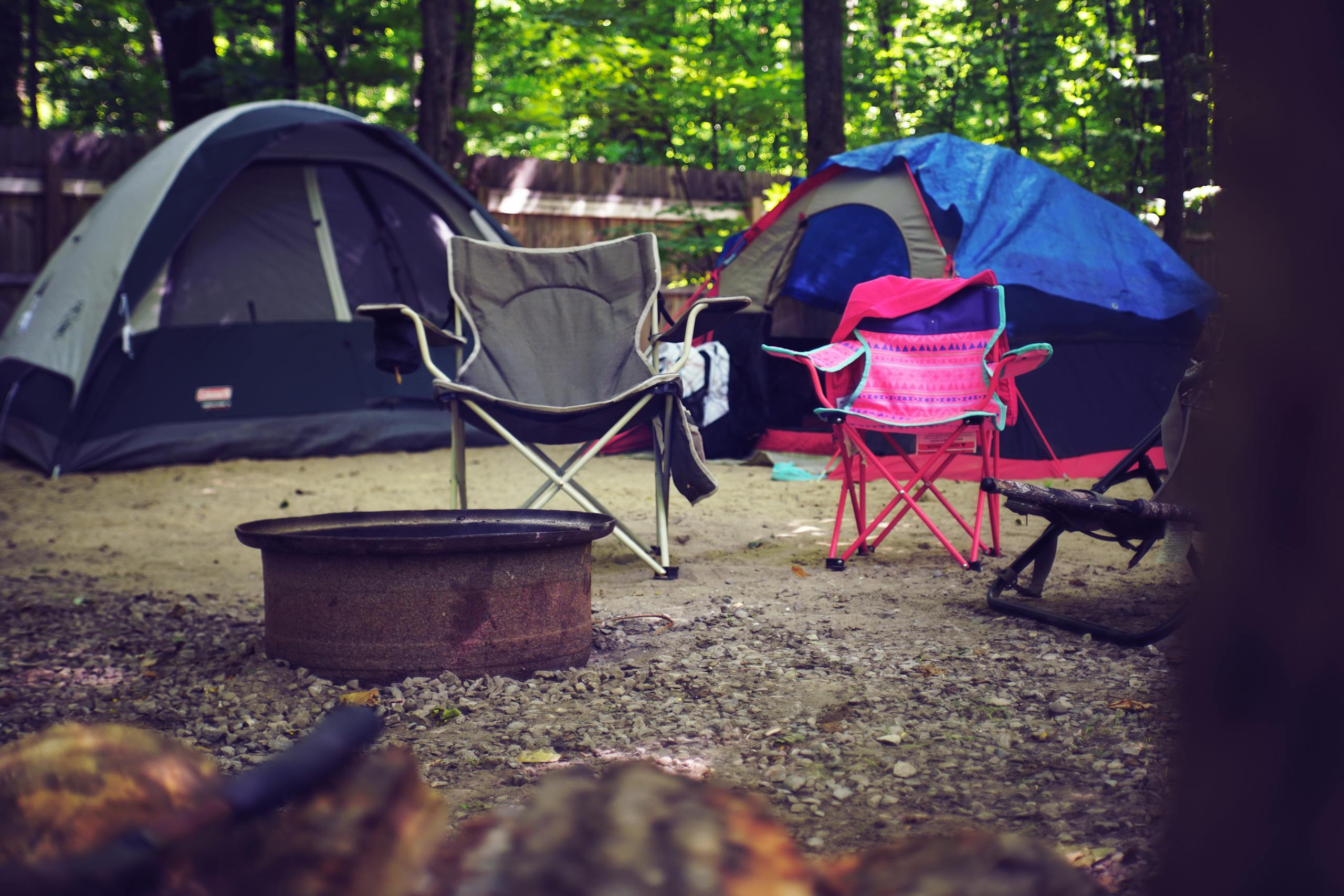
Camping is supposed to be the thing that fixes you. A few days away from notifications, deadlines, and the particular misery of fluorescent lighting.
Just you, fresh air, a fire, and nature doing its thing. People come back from camping trips looking restored in a way that no spa weekend quite manages.
And then there are the other camping trips. The ones where the tent floods at 2am, the bear gets the food bag, the campfire refuses to die, and someone is crying in the car before noon on day two.
The difference between those two experiences is almost never bad luck. It is almost always a handful of very avoidable mistakes made before or during the trip by someone who figured they would wing it.
Nature is not hostile. But it is completely indifferent to your optimism, and it will expose every gap in your preparation with zero apology.
Here are eight mistakes that ruin camping trips, and exactly how to not make them.
You Did Not Test Your Gear Before You Left
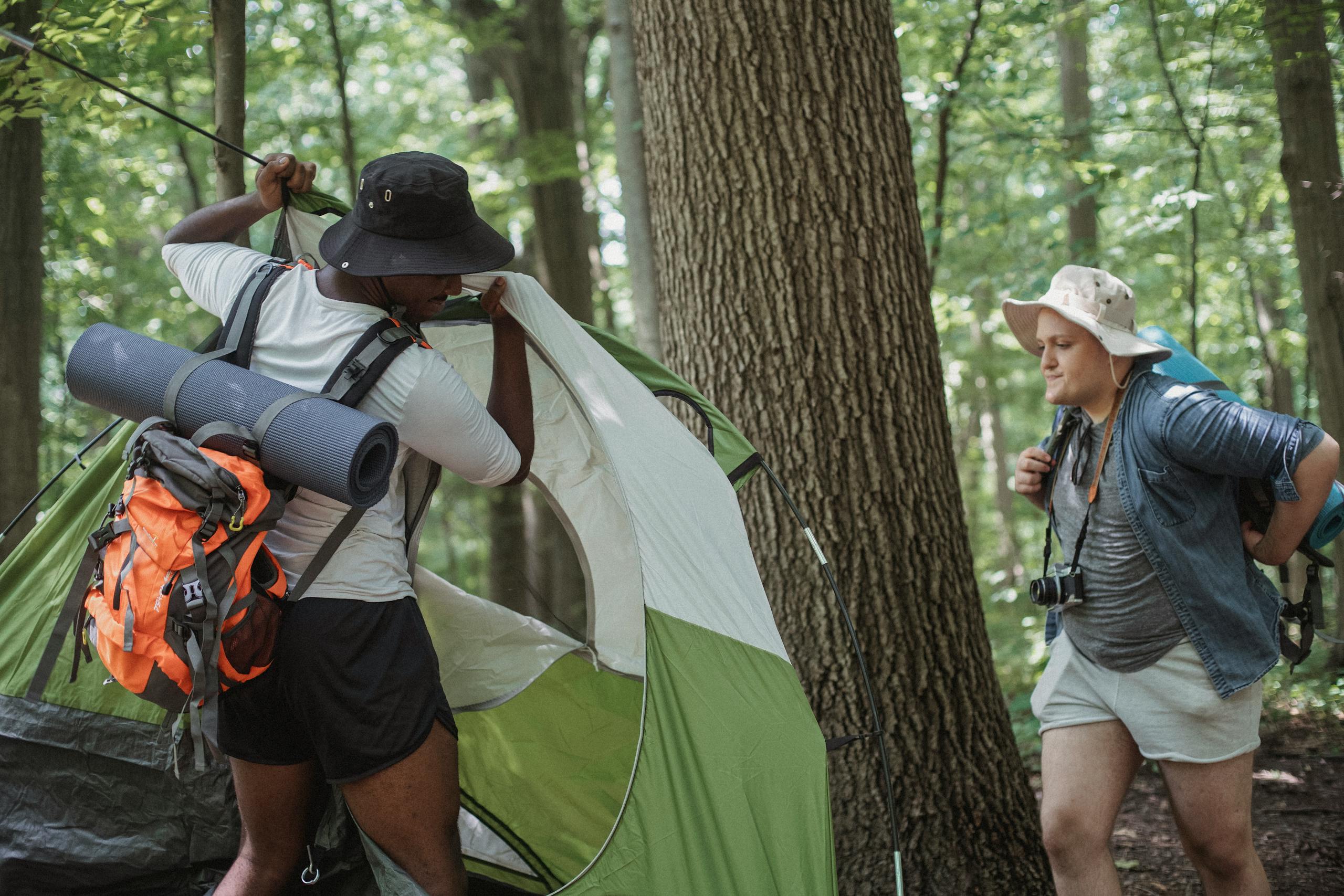
Somewhere in your garage, attic, or the back of a closet, your tent has been sitting in a bag for eight to fourteen months. You assume it is fine. It was fine last time. This is the assumption that has launched a thousand miserable camping evenings.
Tent poles develop cracks. Zippers seize. Sleeping pads develop slow leaks that you will not notice until 3am when you are lying directly on the cold ground wondering where your life went wrong.
Lantern batteries die in storage. Camp stoves malfunction in ways that reveal themselves spectacularly only when you are hungry and forty-five minutes from the nearest town.
The fix takes thirty minutes and requires nothing but your backyard and a willingness to feel slightly foolish pitching a tent on your own lawn.
Set everything up. Turn everything on. Inflate everything that inflates. Sleep on the sleeping pad for one night if you are serious about it.
Whatever breaks at home is a minor inconvenience. Whatever breaks at the campsite is the whole story of the trip.
You Trusted the Weather Forecast From Three Days Ago
Weather forecasts are useful. Weather forecasts from three days ago are historical documents.
This is especially true in mountains, forests, coastal areas, and basically anywhere interesting enough to camp in.
These environments generate their own microclimates, and conditions can shift from genuinely pleasant to genuinely dangerous within a few hours.
The camper who checks the forecast once and packs accordingly is the camper who ends up huddled in a rain jacket that was definitely not designed for actual rain, watching the temperature drop fifteen degrees by dinnertime.
Check the forecast the morning you leave. Check it again when you arrive. Understand the nighttime lows, not just the daytime highs, because the gap between those two numbers is where camping comfort lives or dies.
And then pack for conditions one level worse than what you are expecting, because conditions do not consult your itinerary before changing.
You Underestimated How Much Water You Would Need
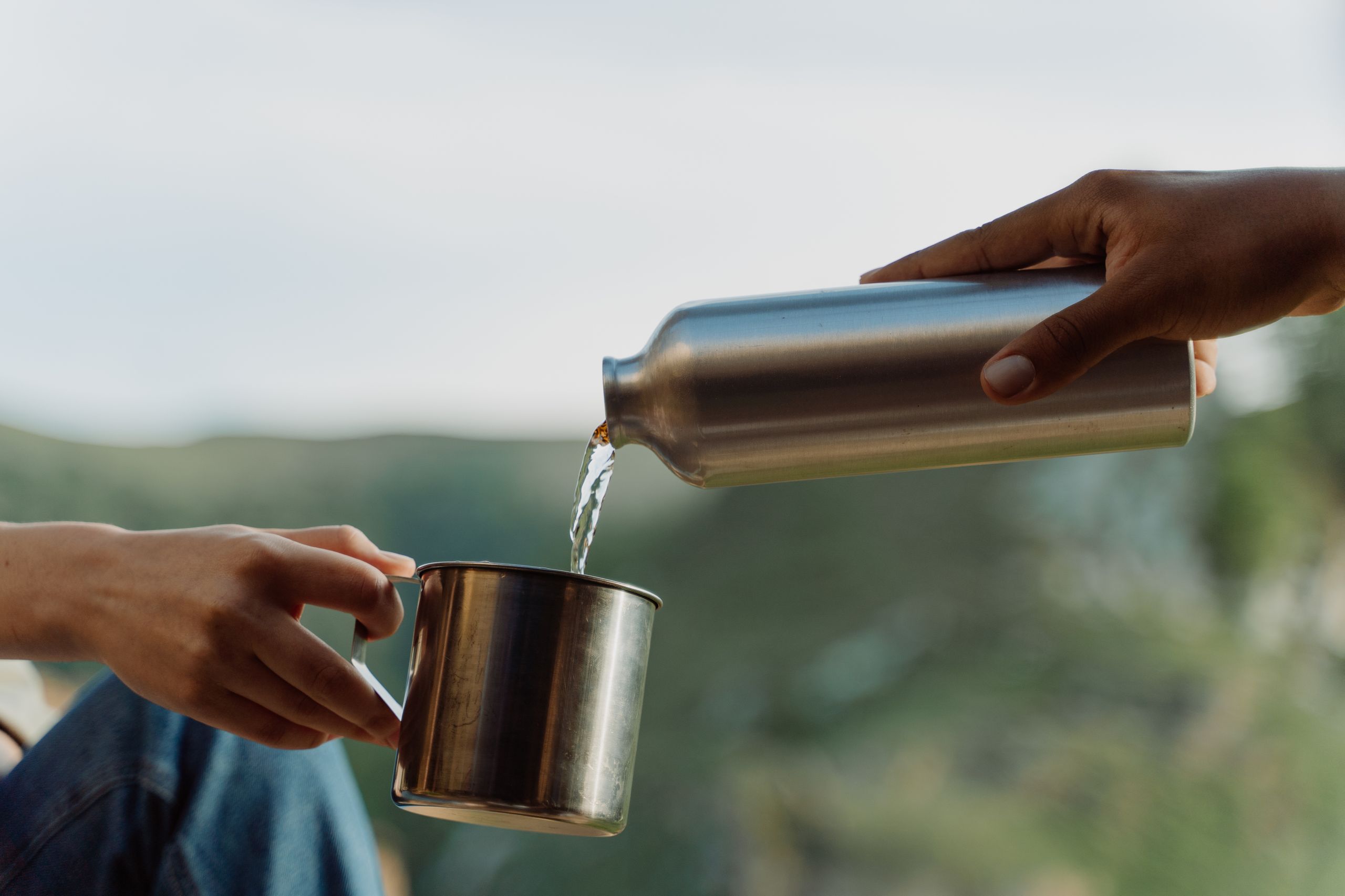
Nobody ever thinks they will be the one who gets dehydrated. Then they hike three miles uphill in the afternoon sun and discover that thirst, it turns out, is a lagging indicator. By the time you feel thirsty, you are already behind.
Physical exertion, heat, elevation, and dry air all accelerate water loss in ways that are easy to underestimate when you are planning the trip from your kitchen table.
The standard advice, drink before you are thirsty, carry more than you think you need, exists because the standard mistake is doing the opposite.
Always carry a backup purification method. Water filters, purification tablets, and UV treatment devices are small, light, and will turn a potential emergency into a minor inconvenience.
The moment you need one and do not have one is not a moment you want to experience. Dehydration starts as a headache and tiredness. It ends much worse. Carry the water.
You Left Food Where Animals Could Smell It
Wildlife encounters at campsites are almost never random. They are almost always earned.
Animals have a sense of smell that makes ours look like a polite suggestion. A bear can detect food from over a mile away.
A raccoon does not need to smell it from a mile away, it is already at your campsite, methodically working through your cooler with the focused competence of someone who has done this before. Many times.
The rules here are not complicated but they are non-negotiable: food goes in bear-resistant containers or hung from a tree well away from your sleeping area.
Cooking equipment gets cleaned immediately. Trash goes in sealed bags. Scented toiletries, yes, including toothpaste, do not belong in your tent.
A clean campsite is a safe campsite. The animals are not being aggressive. They are following their nose to a calorie source that you left out for them. Remove the invitation.
You Arrived After Dark
Arriving at your campsite after dark is one of those decisions that feels fine in the planning stage and disastrous in execution.
What looks like a pleasant clearing in daylight turns out, in the dark, to be full of things you did not notice: an ant mound under the ideal tent spot, a drainage channel that will funnel water directly under your sleeping area when it rains, a dead tree branch hanging at exactly the wrong angle overhead.
You do not see any of this when you are setting up by headlamp, sweating, and trying to match tent poles by feel.
Arrive with at least two hours of daylight remaining. Walk the site before you commit to a location. Look up as well as down. Check for anything overhead that looks unstable.
Let the site reveal its problems in good light, when fixing them is easy, rather than at midnight when fixing them is a miserable negotiation with your own stubbornness.
You Were Careless With the Campfire
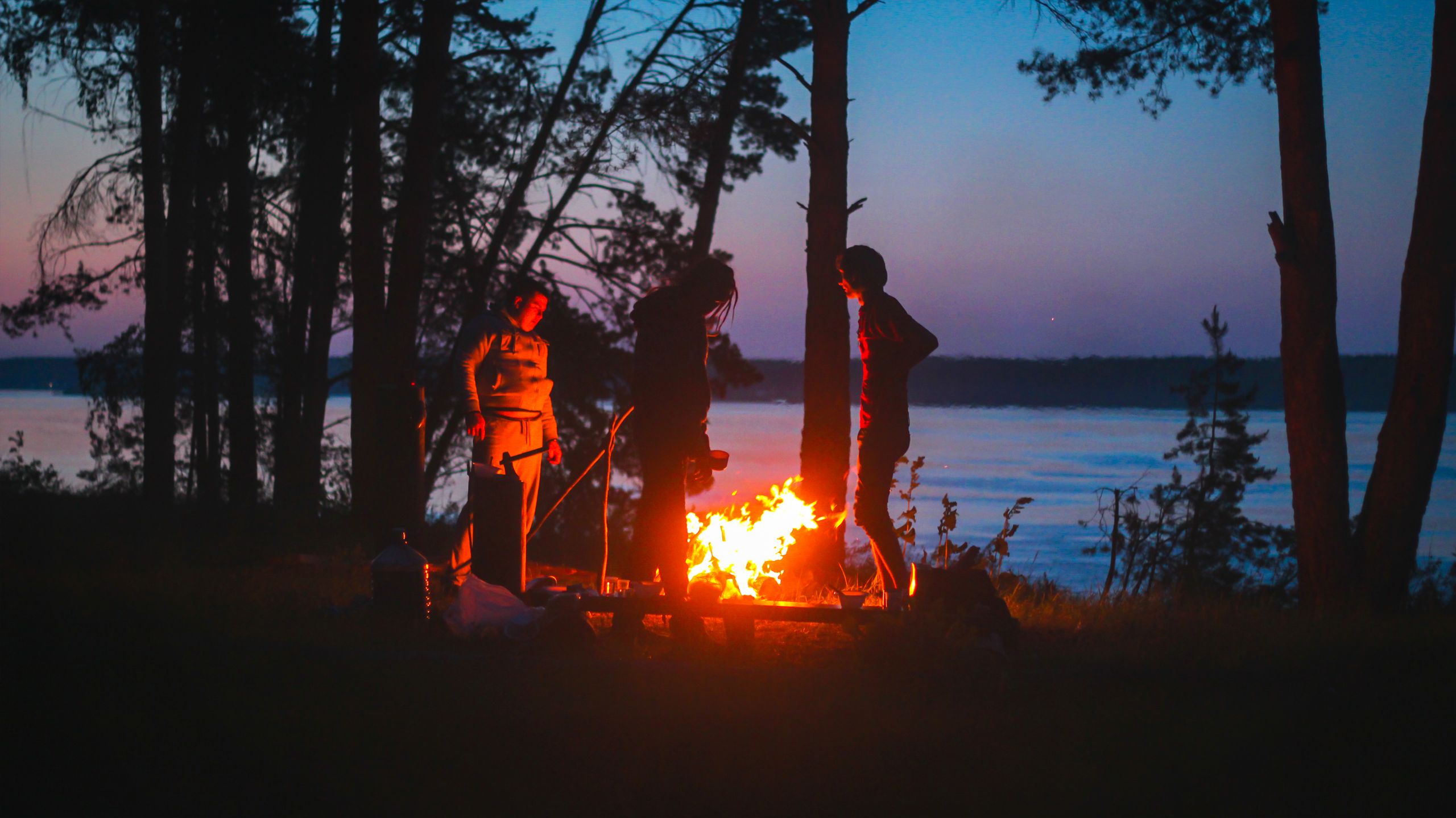
Campfires are one of the great pleasures of camping. They are also responsible for a significant number of wildfires every year, started by people who were not being careless so much as not being careful enough.
There is a difference. Careless means leaving a fire burning while you go to sleep. Not careful enough means leaving a fire that looks out but is not fully extinguished, because a fire is not out until it is cold enough to touch, and embers can remain live for hours after the flames disappear.
Use designated fire rings. Keep the fire small and manageable rather than impressive. Keep water within arm’s reach. Never leave it unattended, not even briefly, not even to grab something from the car.
And when you put it out, do it properly: water, stir, water again, check with your hand. A campfire is a guest that requires supervision the entire time it is present.
You Chose a Bad Campsite Without Checking
The prettiest spot and the safest spot are not always the same spot. That low, sheltered depression that looks so cozy becomes a lake when it rains. That beautiful clearing at the base of a slope turns into a wind tunnel at night.
The inviting patch of shade under an old tree has three dead branches directly overhead that you will spend the entire night listening to creak.
Before you stake anything, assess. Look up for widow-makers, dead or dying branches that are one good gust away from becoming a problem.
Look at the ground’s angle and where water would go in a downpour. Look for evidence of insects, animal trails, or roots that will turn your sleeping surface from flat to lumpy the moment you lie down.
The best campsite is boring in all the right ways: level ground, no obvious hazards above or below, not too exposed, not too low. Beautiful views are a bonus. Sound structure is the requirement.
Nobody Knew Where You Were Going
This one is not about discomfort. It is about the situation where something actually goes wrong.
Trails flood. People twist ankles. Weather turns faster than expected. A campsite that seemed straightforward becomes a navigation problem when the fog rolls in.
These are not dramatic scenarios, they are things that happen to ordinary, experienced campers on ordinary trips.
What turns a manageable situation into an emergency is when nobody knows where you went or when to expect you back.
Before you leave, give someone specific information: the campsite name or location, the planned route, the expected return date, and what to do if they do not hear from you by a certain time.
This takes five minutes. It has saved lives. It costs you nothing except the mild embarrassment of admitting that you are someone whose whereabouts other people should know.
Tell someone where you are going. Tell them when you will be back. Tell them what to do if you are not.
Conclusion
Camping does not punish people for being unlucky. It punishes people for being underprepared, and those are very different things.
Every mistake on this list is fixable before the trip starts. Test the gear. Check the forecast. Carry the water. Secure the food. Arrive early. Respect the fire. Pick the campsite carefully. Tell someone your plan.
None of this is complicated. None of it requires expertise or expensive equipment. It requires the particular discipline of doing the boring preparatory work when the exciting part… actually going, is all you want to think about.
Do the boring work. The exciting part will be better for it.


