Image Credit: Photo by
Osnafotos, CC BY-SA 2.0 DE, via Wikimedia Commons
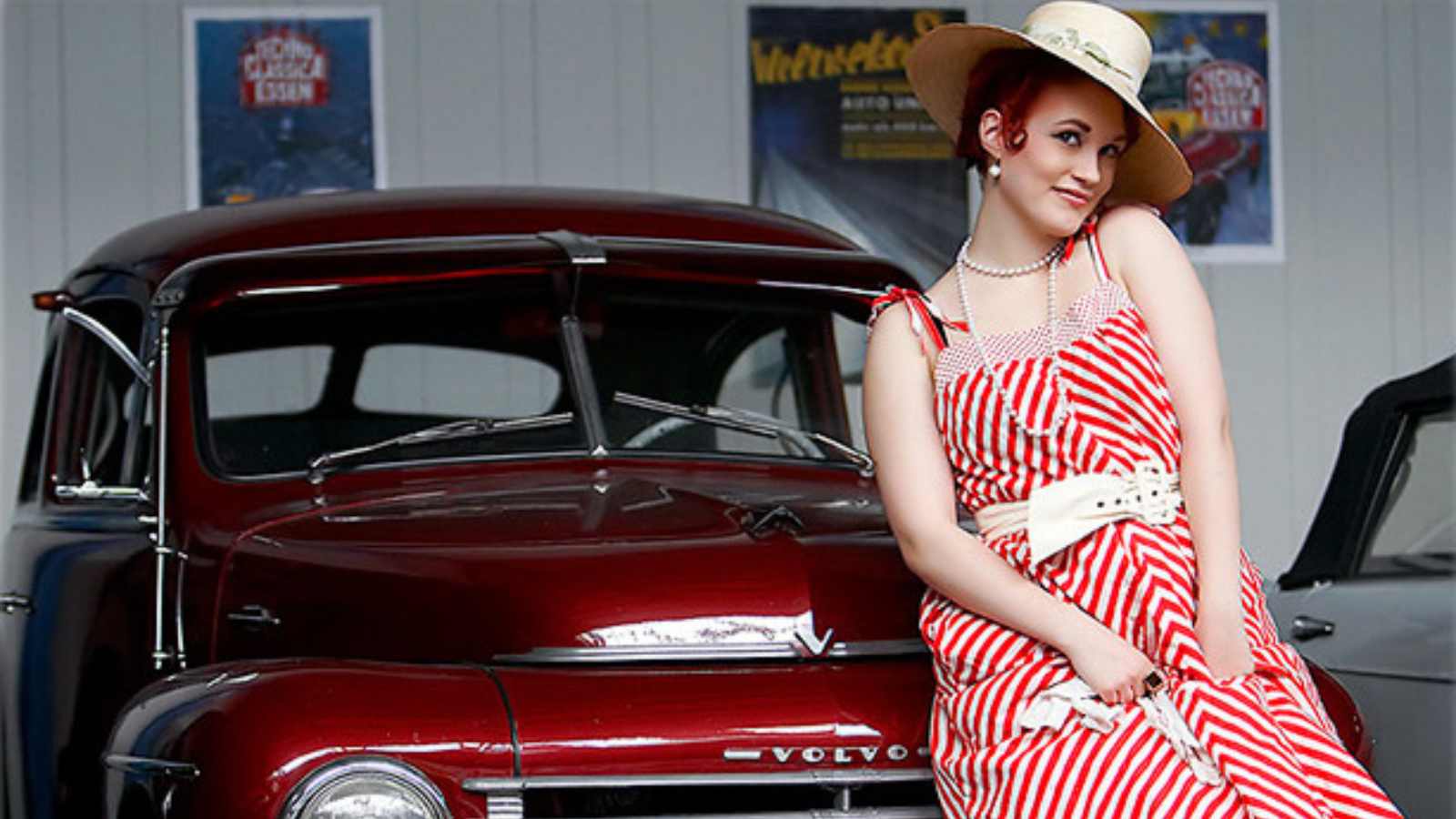
The 1950s may evoke nostalgic images of glamorous movie stars and carefully curated fashion, but behind the polished images was a strict code of conduct when it came to dressing.
Social norms and fashion rules governed not just what people wore but how they were perceived by society.
In this article, we explore 6 fashion choices that were off-limits in the 1950s, choices that today seem more like expressions of personal style than violations of societal expectations.
Sleeveless Tops
In the 1950s, bare arms were considered just as scandalous as bare legs. Women were required to cover up, even in the sweltering heat of summer, and cardigans or boleros became essential accessories for every woman. The “three-finger rule” dictated that straps must be wide enough to meet the modesty standards of the time and anything narrower was deemed improper.
The fear of appearing immodest was pervasive in the 1950s, and women’s shoulders were seen as private, sexual areas that should be kept covered in public. Churches, in particular, enforced strict dress codes, often shaming women who dared to attend services without proper shoulder coverage.
Hair Rollers in Public
Image Credit: mondaylab/123rf Photos
In the 1950s, women who dared to leave their homes with their hair in curlers were viewed with disdain. This fashion misstep was equivalent to today’s most casual attire, such as wearing pajamas out in public. The idea of seeing a woman with curlers on her head signified a lack of proper grooming, class, and dignity. If a woman was caught in public with rollers, she was often considered “trashy,” a label that was tough to shake off. Even a quick trip to the mailbox required covering up one’s beauty tools to avoid social embarrassment.
Women in the 1950s were expected to maintain a perfect appearance at all times, and anything less was considered a reflection of poor upbringing. The pressure to always look polished meant that women woke up hours early to set their hair, ensuring they were presentable before facing the world.
Wear Dresses Only
Image Credit: Photo by Lars Nordin/Nordin Nilson, Nordiska museet, CC BY 4.0, via Wikimedia Commons
In the 1950s, dresses were not just a fashion choice, they were a symbol of femininity and societal propriety. Women were expected to wear them, especially in public, as a reflection of their status and moral standing. Pants, on the other hand, were considered entirely off-limits for women, particularly outside the home.
This rigid expectation left little room for comfort or individuality, as women were bound by an unspoken rule to maintain a carefully crafted image. Whether running errands, attending social gatherings, or managing household duties, dresses were not just encouraged, they were required. The pressure to adhere to this dress code was overwhelming, leaving little space for personal expression or clothing that matched one’s comfort or personal style. In this way, fashion in the 1950s was not just about trends, but about maintaining societal control, with little regard for individual freedom or preference.
Low Necklines
In the 1950s, anything below the collarbone was considered a serious fashion faux pas. Low necklines were deemed provocative and inappropriate for public spaces. Schools and workplaces enforced strict dress codes, with young women adopting the “hand test”, placing a hand at the base of their neck to ensure their neckline wasn’t too revealing. Anything beyond this point was seen as crossing the line.
Women were expected to dress modestly, and anything that might be perceived as sexually suggestive was banned. This social policing of women’s clothing ensured that they conformed to what was seen as appropriate for a “respectable” woman.
Pants on Women
The mere thought of a woman wearing pants in the 1950s was met with scandal. Pants were seen as an item of male clothing, and women who wore them faced immediate judgment and often outright bans. Schools sent girls home for showing up in slacks, while offices strictly prohibited women from wearing them, regardless of weather conditions or practical needs. Even public spaces like restaurants rejected service to women in trousers.
In the post-war era, women were expected to wear dresses or skirts at all times, reinforcing traditional gender roles. Wearing pants was considered a radical act of rebellion, signaling a rejection of the societal expectations of femininity.
Form-Fitting Clothes
The 1950s were not kind to those who wore form-fitting clothes. Tight clothing, especially for men, was associated with unsavory characters, and parents often forced teenage boys to buy clothes several sizes too large to avoid any suggestion of impropriety.
The ideal female silhouette was one that was concealed under layers of fabric, aided by girdles and corsets. A revealing figure was seen as inappropriate and not the norm for “respectable” women.
Conclusion
The fashion rules of the 1950s were more than just guidelines for dressing, they were a reflection of the intense social control and expectations placed on individuals, particularly women. These strict codes enforced gender roles, modesty, and conformity, and breaking these unwritten rules could result in severe social consequences.
Today, fashion has evolved to allow greater freedom of expression, but the 1950s serve as a reminder of just how far we have come in terms of fashion, self-expression, and personal freedom.
Patience is a writer whose work is guided by clarity, empathy, and practical insight. With a background in Environmental Science and meaningful experience supporting mental-health communities, she brings a thoughtful, well-rounded perspective to her writing—whether developing informative articles, compelling narratives, or actionable guides.
She is committed to producing high-quality content that educates, inspires, and supports readers. Her work reflects resilience, compassion, and a strong dedication to continuous learning. Patience is steadily building a writing career rooted in authenticity, purpose, and impactful storytelling.