Subtle Signs You Have a Favorite Child
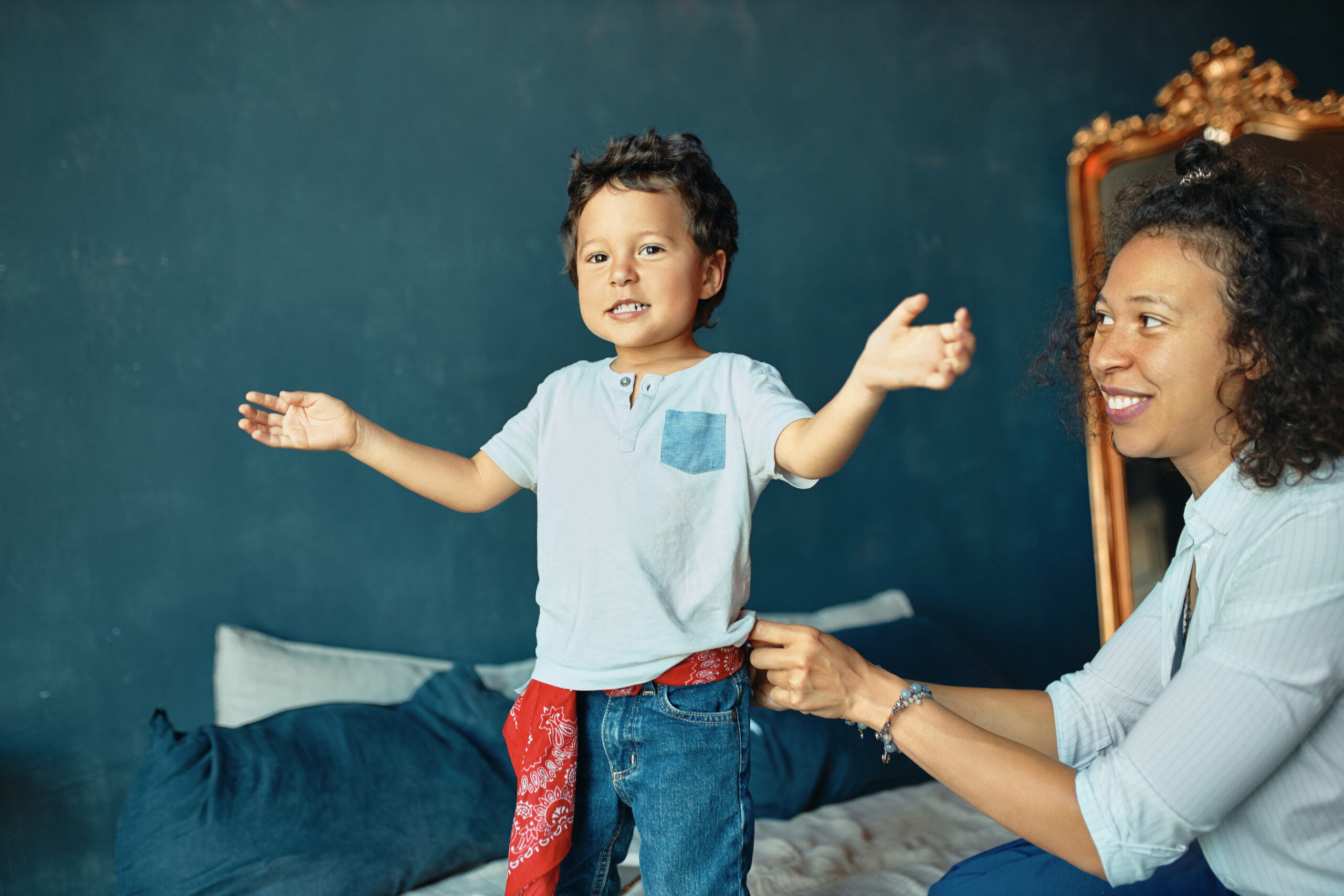
Image Credit:
karlyukav/Freepik Photos
Parenting is deeply emotional, instinctive, and profoundly human. While most parents strive to treat their children equally, their behavior often tells a more nuanced story. Favoritism rarely appears as an overt declaration; instead, it manifests through small, consistent actions that shape family dynamics over time. Recognizing these subtle signs is essential for fostering healthier relationships and emotional balance within the household.
Below, we examine the most telling indicators of parental favoritism, how they appear in everyday life, and why awareness matters.
The Psychology Behind Parental Favoritism
Favoritism is rarely intentional. It often develops subconsciously due to temperament compatibility, ease of communication, shared interests, or reduced conflict with one child compared to others. These preferences can emerge even in loving, attentive households.
Research consistently shows that parents may feel closer to children who:
- Are easier to discipline
- Reflect similar personality traits.
- Require less emotional labor.
- Validate parental expectations
These dynamics subtly influence behavior, tone, and decision-making, often without conscious awareness
Subtle Behaviors That Signal a Favorite Child
Different Tone of Voice and Body Language
Parents often speak more gently, patiently, or warmly to their favored child. Facial expressions soften, posture relaxes, and nonverbal cues signal comfort. Other children may receive more corrective or transactional communication.
More Emotional Availability
A favorite child is more likely to receive undivided attention, active listening, and emotional validation. Parents may instinctively check in with this child first during stressful moments or seek their input more often.
Relaxed Discipline Standards
Rules may exist equally on paper, but enforcement differs. The favored child often receives more leniency, the benefit of the doubt, or second chances, while siblings face stricter consequences for similar behavior.
Default Companion for Activities
When choosing a child to accompany on errands, outings, or casual activities, parents often default to the same child. This repetition reinforces emotional closeness and exclusivity.
More Praise, Less Correction
Praise flows more freely toward the favorite child, while criticism disproportionately targets others. Over time, this imbalance shapes self-esteem and sibling perceptions of fairness.
Increased Trust and Autonomy
Parents often grant the favored child greater independence, assuming competence and responsibility, while closely monitoring or second-guessing siblings.
Defensive Reactions to Criticism
Parents may instinctively defend one child while holding others accountable. Even subtle justification of one child’s behavior signals unequal allegiance.
The Long-Term Impact of Favoritism on Children
- For the favored child: pressure to maintain status, guilt, fear of falling short
- For other children: resentment, lowered self-worth, emotional distance
- For siblings: rivalry, fractured trust, long-term relational strain
Favoritism does not require neglect to cause harm, imbalance alone is enough.
Conclusion
Acknowledging favoritism is not an admission of failure. It is a sign of emotional maturity and commitment to growth. Awareness allows parents to recalibrate behaviors, rebalance attention, and strengthen family bonds.
Healthy parenting is not about perfection, it is about consistency, reflection, and course correction.