
Family

15 Things to Write in a Sympathy Card When You Don’t Know What to Say

Gracy Munga
By Gracy Munga 7 min read

This post: 15 Things to Write in a Sympathy Card When You Don’t Know What to Say first appeared on Crafting Your Home.


Finding the right words after a loss can be difficult. A sympathy card doesn’t need to be perfect; it just needs to show care, compassion, and support.

A thoughtful message can remind someone who is grieving that they are remembered, loved, and not facing their loss alone. Whether you are writing to a close friend, family member, coworker, or acquaintance, these messages can help you express your condolences with sincerity.

“I’m so sorry for your loss.”

A creative workspace featuring colorful markers, scissors, and a handwritten card reading 'Crafting is Life!'.
Image credit:Castorly Stock/pexels

This simple phrase is one of the most meaningful ways to express sympathy. It acknowledges the person’s pain without assuming their emotions or telling them how they should grieve. Everyone experiences loss differently, and a straightforward expression of sorrow allows the grieving person to feel seen and supported.

Sometimes people hesitate to write a sympathy card because they feel they need to say something profound. However, a sincere acknowledgment of someone’s loss can be more comforting than trying to find the perfect words. It shows you recognize their pain and are willing to stand beside them during a difficult time.

“There are no words, but I want you to know I’m thinking of you.”

Some losses are so painful that ordinary words may feel inadequate. This message works because it doesn’t pretend a few sentences can take away someone’s grief. Instead, it honestly recognizes that the situation is difficult and that you are offering your presence and care.

For many grieving people, knowing that someone is thinking about them can bring comfort. It reminds them that they are not forgotten and that others are willing to share their sadness, even when they cannot fully understand what they are going through.

“My heart is with you.”

Top view of a person writing a message in a greeting card on a table.
Image credit: RDNE Stock project/pexels

A short message can still carry deep emotion. This phrase expresses sympathy, warmth, and compassion without requiring a long explanation. It is a gentle way to let someone know that their loss matters and that you are thinking of them.

During grief, people often feel overwhelmed by emotions and responsibilities. A simple reminder that someone cares can offer comfort and connection when they need it most.

“I’m holding you and your family in my thoughts.”

Loss rarely affects only one person. Family members, friends, and loved ones may all be experiencing their own grief. This message recognizes the wider impact of the loss and extends kindness to everyone who is hurting.

It is especially meaningful when a family is going through a difficult period together. It shows that you understand their pain is shared and that you are offering support beyond just one individual.

“I was so saddened to hear about [Name].”

Mentioning the person who passed away can make a sympathy card feel more personal and heartfelt. It recognizes that they weren’t simply someone who was lost, but a person with a life, relationships, memories, and an impact on others.
Using their name can also bring comfort to the grieving person. It shows their loved one is remembered and that their life still holds meaning for those who knew them.

“I will always remember [Name] for…”

Sharing a specific memory or quality about someone who has passed away can be one of the most comforting things you can offer. A simple reflection on their kindness, sense of humor, generosity, or how they treated others can bring warmth during a painful time.

Memories help grieving families feel connected to their loved one. They remind them that the person’s life was meaningful and that the positive moments they shared will continue to be remembered.

“I hope the love around you brings you comfort.”

Grief can sometimes feel incredibly lonely, even when someone has supportive people around them. This message gently reminds the grieving person that caring people surround them and want to help.

It does not suggest that their sadness should disappear or that they should move forward quickly. Instead, it acknowledges that love, friendship, and support can provide strength during difficult moments.

“Please know you are not alone.”

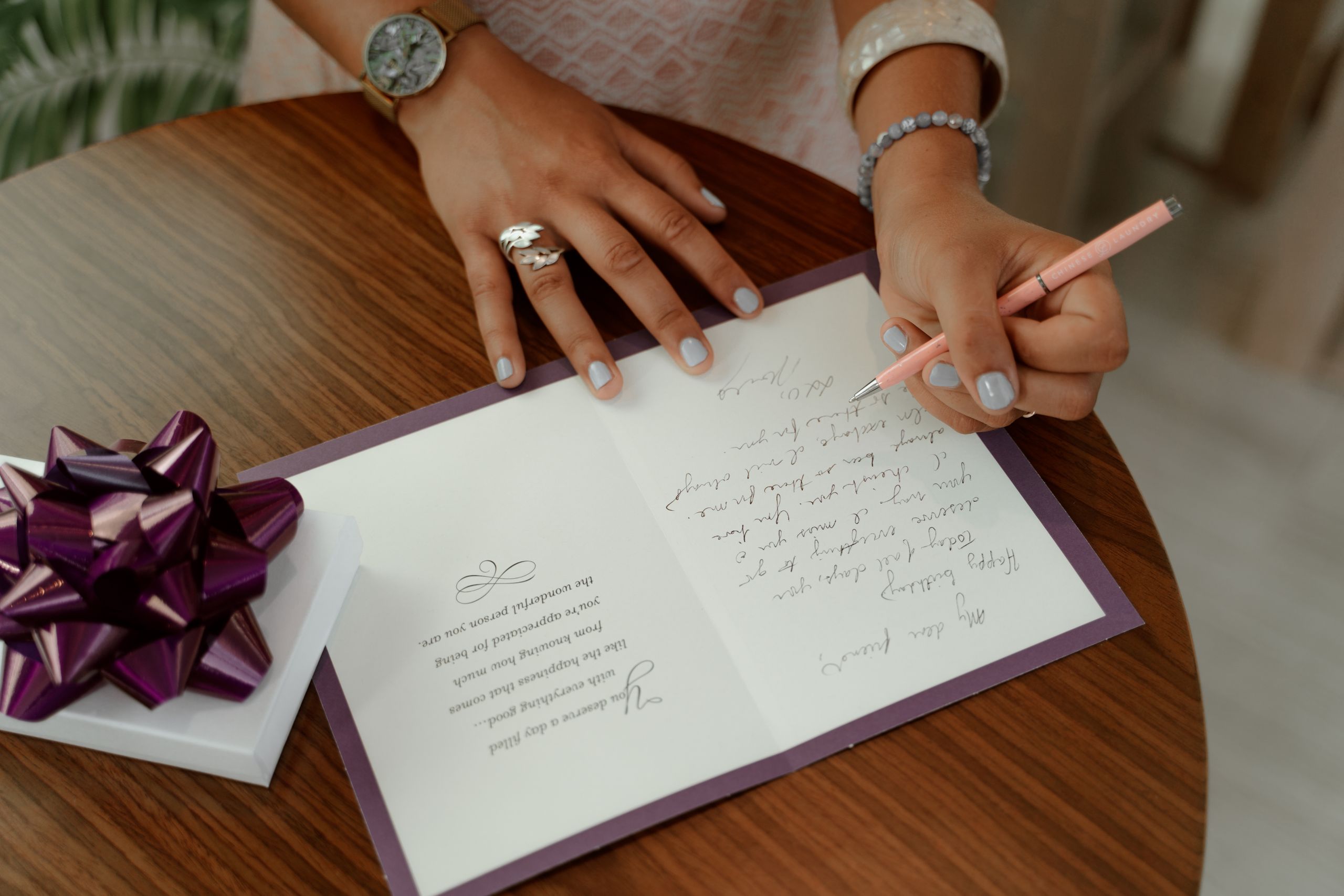
A woman writes a message inside a greeting card on a wooden table with a gift beside.
Image credit:RDNE Stock project/pexels

After a loss, many people struggle with feelings of isolation. They may feel like no one fully understands their pain or the changes they are experiencing. This message reassures them that people care.

Knowing that someone is available to listen, help, or be present can make grief feel less overwhelming. It reminds them they don’t have to carry everything by themselves.

“I’m here to listen.”

Grieving people often do not need advice or explanations. They may need someone willing to listen without judgment or pressure. Offering your attention and presence can be more valuable than trying to find solutions.

Listening allows someone to talk about their memories, emotions, fears, or sadness in their own way. It permits them to grieve without feeling rushed or expected to be okay.

“I’m sending you love and strength.”

This message encourages while respecting the person’s grieving process. It recognizes that they are facing something painful and lets them know they have emotional support.

It suits many relationships because it expresses care without being too personal or assuming what the person needs. Sometimes a simple message of love and strength can provide comfort on difficult days.

“I wish I could take away some of your pain.”

This message acknowledges the reality of grief and expresses genuine compassion. While you cannot change what happened, wishing you could ease their suffering shows you understand how difficult the moment is.

It avoids offering unrealistic promises or trying to explain the loss. Instead, it focuses on empathy and reminds the grieving person that you see and acknowledge their pain.

“I am keeping you in my prayers.”

For someone who finds comfort in faith, this message can be deeply meaningful. It offers spiritual support and lets them know you’re thinking of them during a challenging time.

However, consider the beliefs of the person receiving the card. When you are unsure, a message centered on compassion, care, and support may be a better choice.

“I know how much [Name] meant to you.”

This message recognizes the special bond between the grieving person and their loved one. It validates that the relationship was important and that the loss represents a significant change in their life.

Acknowledging the depth of their connection can help someone feel understood. It shows that you recognize not only the loss itself but also the love and memories that came before it.

“I’ll be checking in.”

Artistic setup with homemade cards, envelops, and vibrant stationery for crafting.
Image credit: Castorly Stock/pexels

Many people receive support immediately after a death, but grief continues long after the first days or weeks. This message shows you understand their journey doesn’t end when the funeral is over or when others return to their normal routines.

Offering continued support can be incredibly meaningful. A simple message, phone call, visit, or thoughtful gesture can remind someone that they are still cared for.

“I’m here to help with something specific.”

Practical support can be one of the most valuable gifts you offer someone who is grieving. When people are overwhelmed, even simple tasks can feel difficult to manage.

Instead of expecting someone to ask for help, offering specific assistance shows genuine care. Small acts of kindness can provide relief and remind them that they have support during a challenging season.

What to Avoid Writing in a Sympathy Card

Avoid phrases that minimize grief, explain the loss, or suggest that someone should recover quickly. Comments that focus on finding a reason for the loss or telling someone how to feel may unintentionally cause more pain.

The most meaningful sympathy messages offer compassion, remembrance, and support. A few sincere words can remind someone that they are loved and not alone.
Other Post You Might Also

If you like what you just read, then subscribe to our newsletter and follow us on social media.

Leave a Reply

Your email address will not be published. Required fields are marked *