
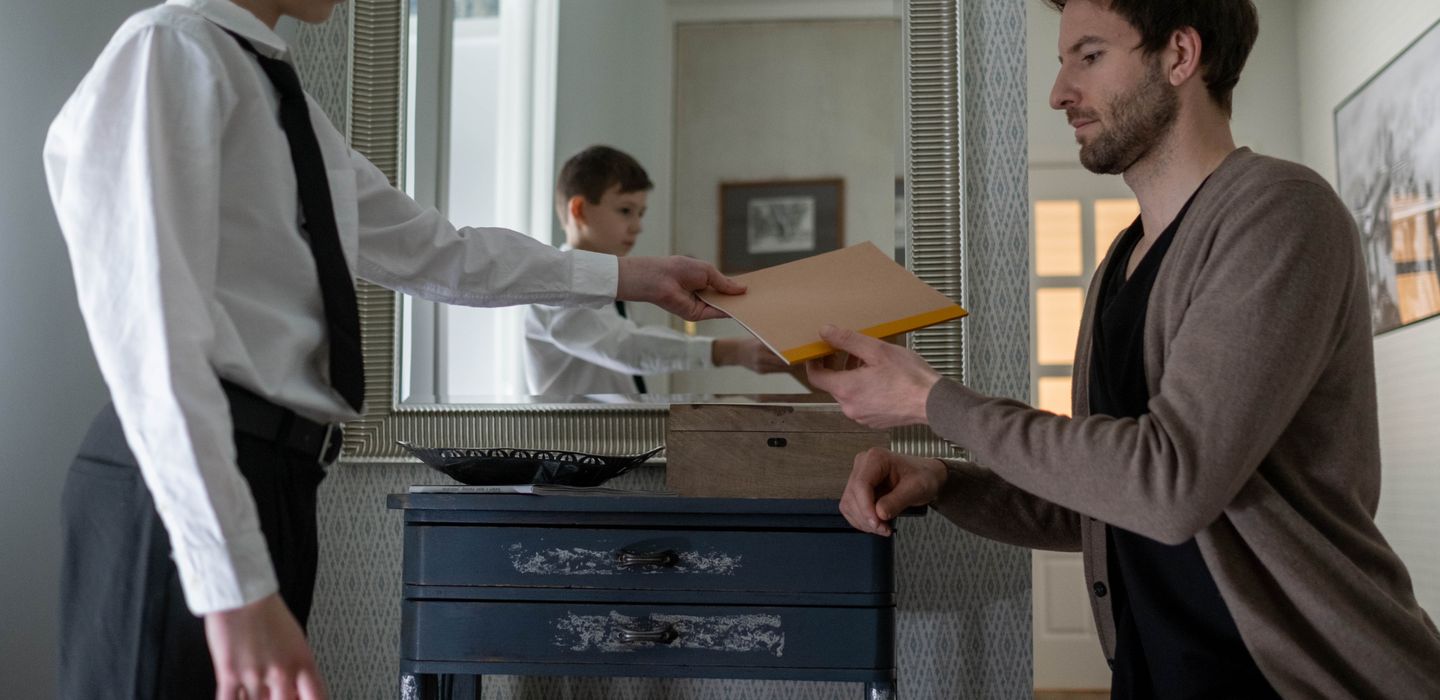

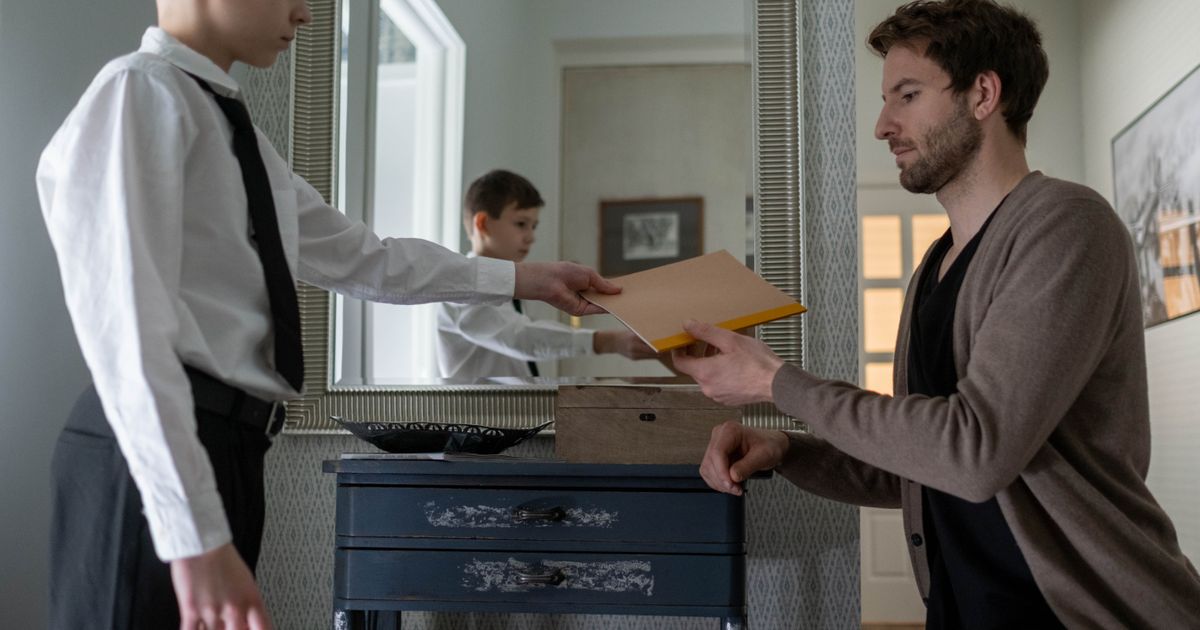
This article was originally published on Crafting Your Home. A human contributor also wrote and edited the post.
The post 12 Phrases Every Boomer Dad Said first appeared on Crafting Your Home
Some sentences never leave the house. They live in the backs of grown children’s minds, ready to surface the moment they stub a toe on a chore or catch themselves reaching for the car keys with a lecture already forming.
Boomer dads had a particular gift for this kind of shorthand, a small set of lines that did the work of an entire parenting philosophy in six or seven words.
These phrases were not random. Experts who study family communication say old-fashioned parenting phrases like “Because I said so” and “We’ll see” have a lasting impact on adult behavior and decision-making, and common phrases like “Money doesn’t grow on trees” keep getting passed down through generations, shaping family dynamics and communication.
That’s why this list still lands. It is not nostalgia alone. It is the sound of a parenting style still echoing through kitchens now belonging to people in their thirties and forties.
The Lines That Ended the Conversation
Because I Said So

No phrase on this list is more iconic, or more studied. One writer who grew up hearing it recalls it as the ultimate conversation ender, and while it kept things tidy, it also taught many kids to ignore their own curiosity, so questions started to feel like disrespect instead of engagement.
A different piece traces the line’s staying power even further back, noting that the phrase has been around since the 1800s, making it one of the most enduring boomer-isms.
The appeal for a dad juggling five things at dinner is obvious. It ends a negotiation in four words. The cost, according to the people who heard it most, is that it teaches a child to stop asking why.
Were You Born In a Barn?
This one is aimed squarely at the kid who left the door wide open in February. Its literal meaning traces back more than a century, and language historians note that the phrase and its variants express mild remonstrance toward a person who has left a door open, exposing others to a draft, and can also suggest that someone is behaving in a rude or uncouth manner.
Some etymologists point to a folk explanation involving barn doors left open for livestock during the day, though that version smacks of etymology that is more folkloric than scientific.
Whatever its true origin, it survives today mostly as an affectionate jab. In Southern households especially, it remains a phrase parents use as a playful scolding for leaving the door open, a down-home reminder to mind your manners, with a tone that ranges from teasing to half-serious but is rarely mean-spirited.
Money Doesn’t Grow on Trees
Every generation of parents has some version of this warning, but boomer dads deployed it with particular force, usually right after a request for a second toy or a third scoop of ice cream.
It belongs to the same family of phrases researchers say continue to shape how adult children think about spending and saving decades later.
The line was never really about trees. It was a compressed economics lesson, delivered before anyone in the room knew what a budget was.
This Hurts Me More Than It Hurts You
Few phrases produced more eye-rolling in the moment and more sympathy in hindsight.
One list of classic dad lines explains that it came out right after a punishment, with dad claiming the discipline was actually worse for him than for the kid having to go through it, which felt impossible to believe at age nine and strangely believable at age thirty-five with kids of one’s own.
While You’re Living Under My Roof, You’ll Do As I Say
This is the constitutional clause of boomer dad-speak, the line that settled any argument about curfews, chores, or hairstyles.
It shows up on multiple generational lists as a genuine classic, described simply as a classic dad line that needed no further explanation to anyone who grew up hearing it.
It worked because it was true. It also planted an idea that stuck around long after the kid moved out: authority doesn’t require a reason, only a roof.
The Lines That Kept Things Moving
We’ll See
Two words that meant absolutely nothing and everything at the same time. Researchers studying inherited parenting language single this one out alongside “because I said so” as a phrase with genuine staying power, one that has a lasting impact on adult behavior and decision-making long after childhood ends.
Every kid eventually learned that “we’ll see” was rarely a yes. It bought a dad time, deflected a decision until dinner was on the table, and taught patience whether anyone intended it to or not.
Turn That Music Down
A phrase as old as the phonograph itself, updated for every decade’s new sound, whether it was rock and roll blasting from a bedroom or a car stereo rattling the windows.
The generational irony here runs deep, since boomers were once the teenagers driving their own parents up the wall with music at full volume.
As one boomer writer put it while reflecting on his generation’s habits, “I’m sure our parents said the same thing about us when we were listening to The Beatles or sneaking bell bottoms into school”. The line never really targets the music. It targets the volume, and every generation eventually says it.
If Everyone Jumped Off a Bridge, Would You?
The rhetorical question to end all rhetorical questions, usually deployed the moment a kid explained that “everyone else is allowed to.” It rarely won the argument on logic alone, but it did something more lasting.
It planted the idea that popularity is not the same as a good reason, a small piece of independent thinking dressed up as a scolding.
Don’t Make Me Stop This Car
The great road trip threat, issued from the front seat without ever turning around.
It worked less because of what it threatened and more because of the tone behind it, the sense that a dad’s patience, like the family station wagon, had a limited amount of gas in the tank. Few phrases capture the specific power dynamic of a long car ride better than this one.
The Lines That Passed Down a Work Ethic
A Little Hard Work Never Hurt Anybody
The all-purpose response to any complaint about chores, yard work, or a summer job nobody wanted. It reflected a broader generational belief that effort was its own reward, and it is the kind of phrase researchers say adult children repeat before they even notice, in the same voice their own father used.
If It Ain’t Broke, Don’t Fix It
This is the philosophy of a generation that grew up without disposable everything, applied to whatever the kids wanted to upgrade next.
One millennial son recalled trying to convince his own boomer father to modernize the family’s approach to storing photos, only to hear the familiar reply.
He wrote that he once suggested moving family photos to a cloud drive so everyone could access them easily, and his dad responded, “If it ain’t broke, don’t fix it”.
The phrase resists change on principle, which made it maddening to a kid with a new idea and oddly comforting to remember once that kid grew older and started saying it too.
Call Me When You Get There

The softest entry on this list, and maybe the most enduring. Long after the lectures and the threats faded, this is the one that survived, because it was never really about rules.
Researchers tracking these inherited phrases found that “Call me when you get there” continues to be passed down through generations, shaping family dynamics and communication decades after it was first said in a driveway.
It is worry, translated into instruction, and it is the one phrase on this list that almost every adult child now says without any irony at all.
Conclusion
Line them up and a pattern appears. Boomer dads did not talk in long explanations. They talked in verdicts, four to eight words that closed an argument, enforced a rule or, occasionally, revealed real tenderness underneath the gruffness.
Some of those phrases deserve retirement. Others, like the one about calling when you get there, turn out to have been love all along, just spoken in a dialect that took years to translate.
Other Stories You Might Like
- 8 Old-Fashioned Dating Habits Women Over 50 Say They Still Love
- What a Typical 1960s Wedding Looked Like Compared to Today
- The 15 Most Popular Dog Names of the Year
If you like what you just read, then subscribe to our newsletter and follow us on social media.


